- Home/
- Costs/
- Tattoo Artists/
- Tattoo Cost Guide
How much does a tattoo cost in 2026? Prices by Size, Style & More
Post to find a price. It's free and only takes a minute.
Average cost of a tattoo
$70 - $5,000
low
$70
median
$2,535
high
$5,000

Last Updated on

Written by Angela A.
Staff Writer
Read more about our contributor
Key Facts
The average tattoo price in the US is $70 to $5,000+, but the exact cost depends on the size, design, placement, and more.
The tattoo market in the US is projected to grow from $2.22 billion in 2024 to $4.83 billion by 2032, driven by demand for personalized, high-quality designs.
Millennials and Gen Z account for the majority of tattoo consumers, with 41% of individuals under 30 and 46% of individuals aged 30–49 having tattoos.
Nearly a third of Americans now have at least one tattoo, and that number keeps climbing as body art becomes more accepted in everyday life. But before you get inked, there’s one question every first-timer (and even seasoned collectors) still asks: how much does a tattoo cost?
Pricing swings based on design complexity, artist skill, studio location, and even how many sessions it takes to finish the piece. In the US, tattoo prices typically range from $70 to $5,000+, but larger or more detailed pieces can run well beyond that.
So, how much does a tattoo usually cost once you factor in all the variables? This guide breaks it all down so you know exactly what to budget before you book a sesh.
How are tattoos priced?
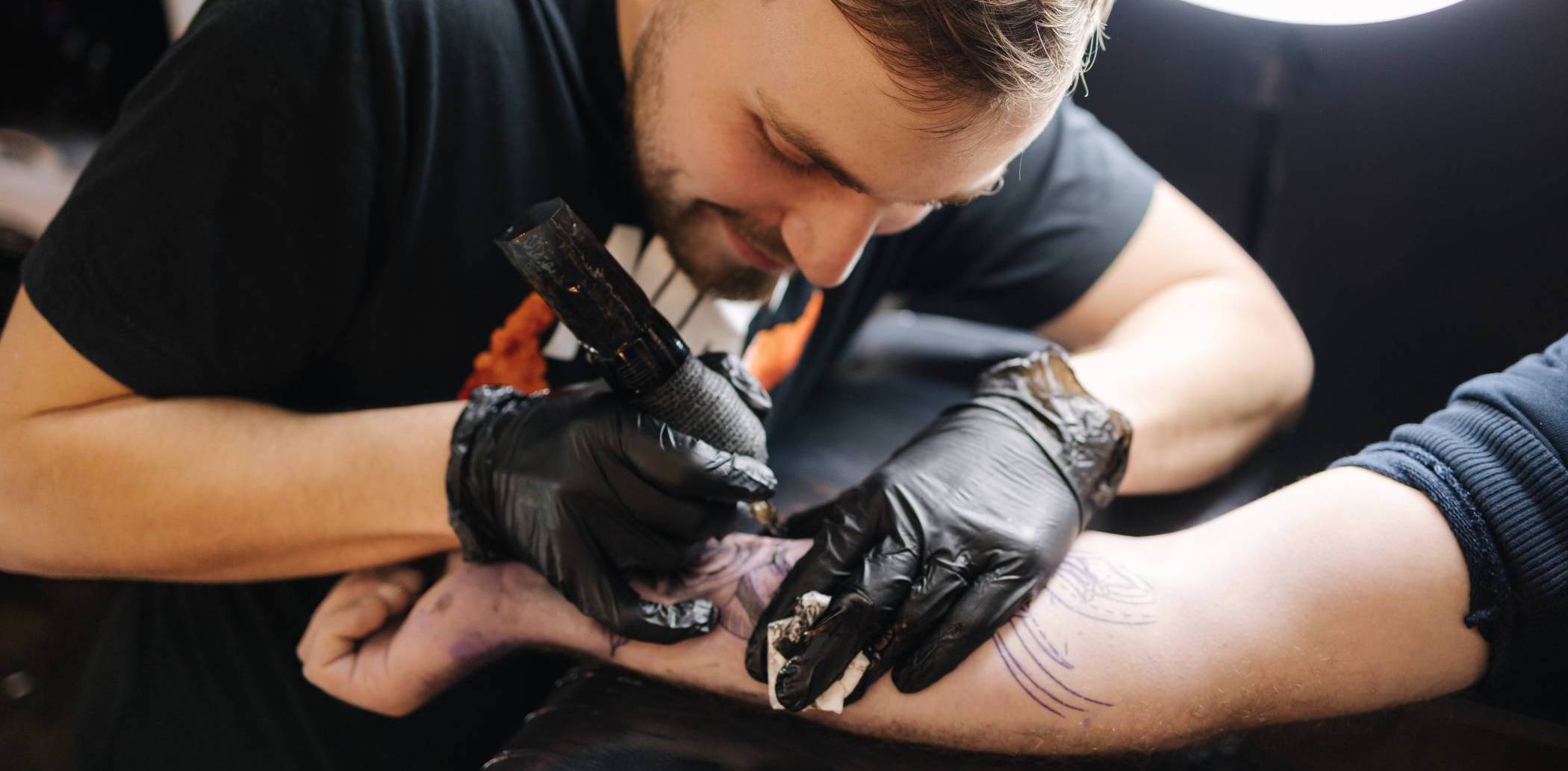
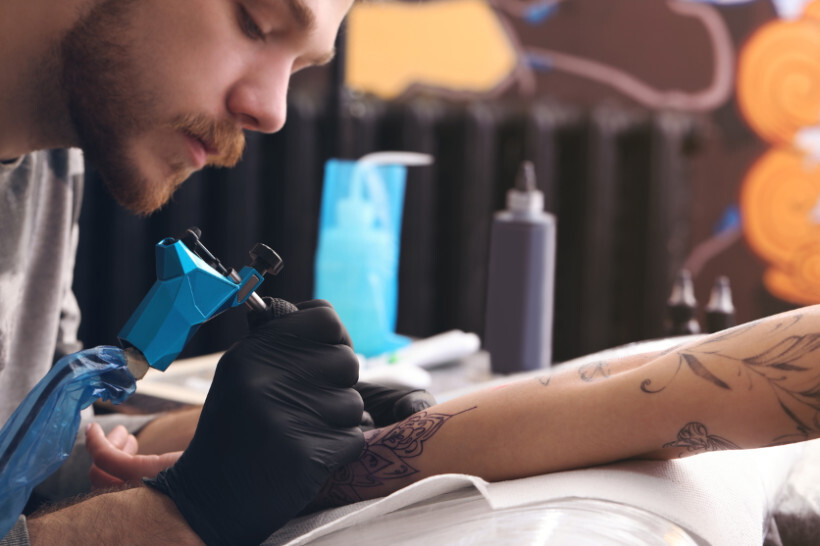
 Professional tattoo artist working on a forearm tattoo (Source: iStock)
In the US, tattoo parlors typically charge either by the piece (flat rate) or by the hour, depending on the design concept and amount of work involved. Most studios also enforce a shop minimum to cover setup, sterile equipment, artists’ time, and disposable supplies. For example, if a studio’s minimum is $150, a quick 20-minute script tattoo will still cost $150.
Pricing |
Best for |
Average cost |
|---|---|---|
By the piece |
Flash and simple designs |
$50 to $600+ |
By the hour |
Custom and detailed work |
$50 to $350+ |
Shop minimum |
Small tattoos and walk-ins |
$80 to $150+ |
By the piece
A flat rate is agreed upon upfront before the appointment, regardless of how long the tattoo takes to complete. This pricing model is common for flash and linework designs since the artist can estimate the work in advance. Some tattoo studios may even advertise lettering, symbols, and hand tattoo prices right off the bat because of the predictable amount of work and level of detail involved.
By the hour
Hourly pricing is typically used for custom, highly detailed, or multi-session projects where the final time commitment is harder to predict. Clients pay for the actual time spent tattooing, which is why larger pieces like realism work, sleeves, or quote tattoos on spine pieces are often billed this way.
Shop minimum
While shop minimums usually fall between $80 and $150, the final figure can vary significantly depending on where you live and the studio’s reputation. For example, a boutique studio with senior artists in Los Angeles may have a $150 minimum, while a smaller shop in Oklahoma may charge as little as $60. This is also why questions like how much a 4-inch tattoo costs rarely have a single answer.
What is the average tattoo cost in the US?
So, how much does the average tattoo cost? In most cases, it depends on the size. The larger the tattoo, the more time, detail, and sessions it typically requires, which directly affects the final price. Below are the typical price ranges for the most common tattoo sizes.
Tattoo size |
Dimensions |
Average costs |
|---|---|---|
Tiny |
Under 2 inches |
$70 to $150+ |
Small |
2 to 3 inches |
$70 to $200+ |
Medium |
3 to 6 inches |
$80 to $450+ |
Large |
7 to 9 inches |
$500 to $1,500+ |
Extra large |
10+ inches |
$1,500 to $5,000+ |
Tiny to medium-sized tattoos are often the best choice for first-timers or anyone who wants something subtle and easy to conceal at work or in formal settings. Depending on the size, they fit comfortably on areas like the finger, wrist, ankle, forearm, shoulder, or thigh.
Want a bolder look? Large and extra-large tattoos provide the space needed for more intricate artwork and statement pieces. They’re commonly used for chest pieces, back tattoos, half and full sleeves, and full-leg designs that may require multiple sessions to complete.
What factors affect the costs of getting a tattoo?
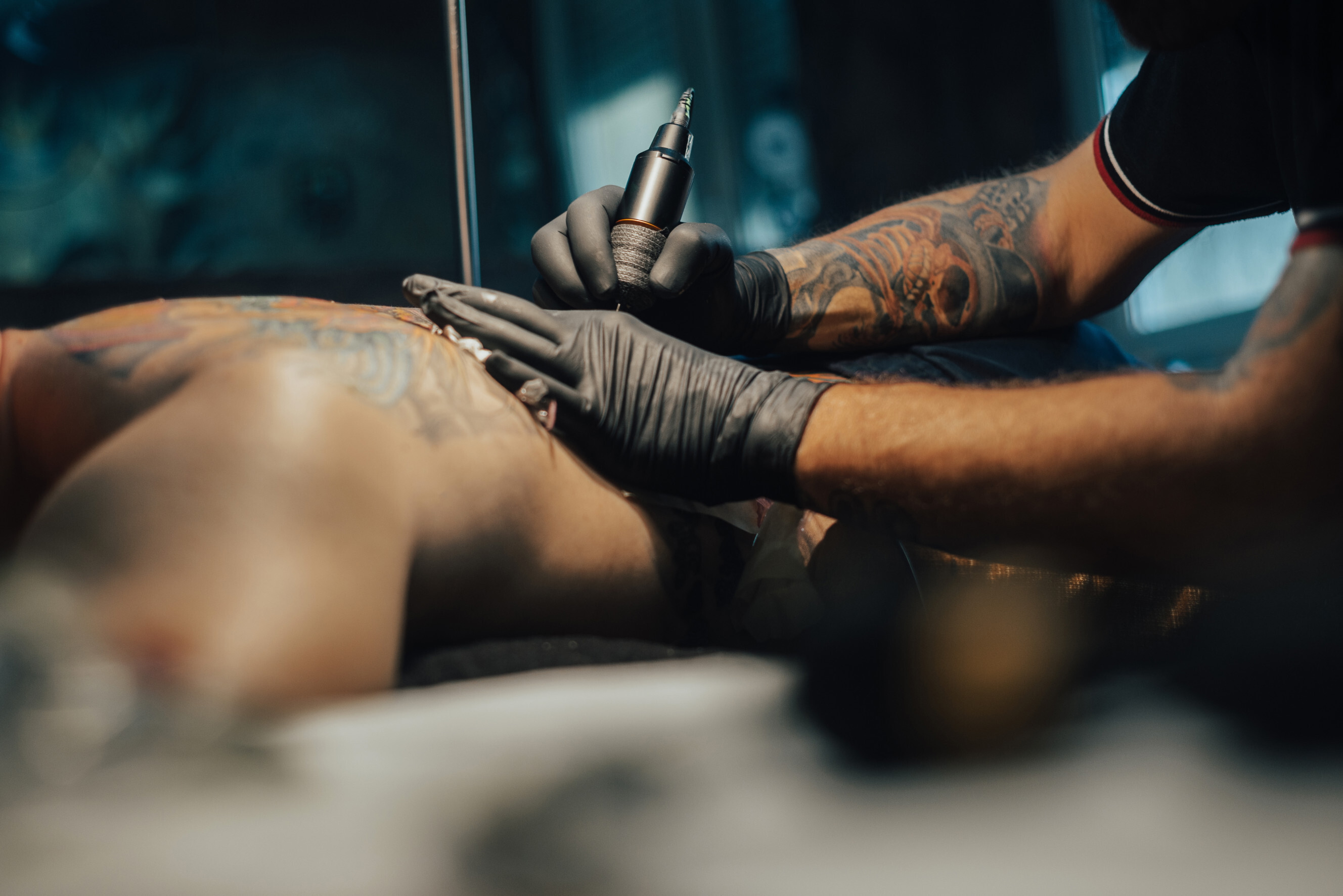
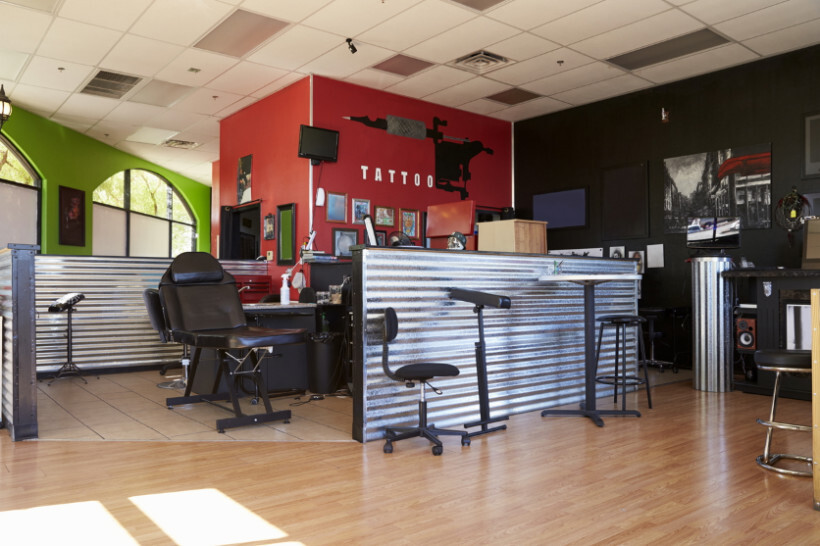 Inside a modern tattoo studio (Source: iStock)
Tattoo prices have steadily increased in recent years as the US tattoo industry continues to grow. In fact, the tattoo market is projected to reach $4.83 billion by 2032, driven by demand for custom artwork, fine-line tattoos, and premium inks. Those trends have also made tattoo pricing more varied, with costs depending on several different factors.
also made tattoo pricing more varied, with costs depending on several different factors.
Studio location
Major US cities typically have higher tattoo prices, although rates can still vary from one studio and artist to another. For example, established studios in Miami, like Tatt’ Em Up Tattoos & Piercings and IRIS Tattoos & Piercings Miami, may charge more than newer or smaller studios because of their reputation and demand.
Outside major cities, tattoo prices are often lower because there are fewer high-profile artists charging premium rates. Lower rent and operating costs also allow many studios to charge less.
Here’s a breakdown of average costs for small to medium tattoos across major US cities:
City |
Average hourly rate |
|---|---|
Los Angeles (CA) |
$100 to $250+ |
New York City (NY) |
$150 to $600+ |
Chicago (IL) |
$150 to $350+ |
Miami (FL) |
$150 to $300+ |
Houston (TX) |
$50 to $300+ |
Atlanta (GA) |
$150 to $250+ |
Seattle (WA) |
$175 to $275+ |
Austin (TX) |
$150 to $250+ |
San Francisco (CA) |
$250 to $500+ |
Las Vegas (NV) |
$150 to $250+ |
You can also consider hiring a mobile tattoo artist. They often have lower overhead costs than traditional studios, although travel fees may apply. When working with a tattoo artist, make sure that they meet hygiene standards and hold the required certifications to avoid potential risks.
Tattoo artist’s skill level and experience
Experience level |
Years active |
Average hourly rate |
|---|---|---|
Junior artists |
0 to 2 years |
$50 to $100 |
Standard artists |
2 to 5 years |
$100 to $150 |
Senior artists |
5 to 10 years |
$150 to $300 |
Expert artists |
10+ years |
$300 to $500+ |
An artist’s skill level and experience directly affect how much they earn. Junior artists are often apprentices or recently licensed artists building their portfolios, so they’re perfect for budget-friendly, simple designs.
On the other hand, standard artists are fully established and have gained enough experience. Both commonly handle flash and custom work, though pricing can differ significantly between them.
Expert artists with years of experience and established reputations can charge anywhere from $150 to $500 or more per hour for niche styles such as photorealism, large-scale Japanese work, or surrealist designs. They typically have a loyal clientele, stronger portfolios, and specialized styles.
Beyond traditional machine tattooing, hand poke or stick-and-poke tattooing is also a technique people seek, especially for minimalist designs. Due to the time-intensive and manual nature of this process, hand poke can sometimes be pricier.
Custom vs. flash tattoo prices
Pre-drawn flash designs are typically priced at a flat rate and sit at the lower end of the cost range. Meanwhile, custom-drawn pieces require a design consultation ($25 to $100/hr billed separately) on top of the tattoo rate, so expect to pay 40% more at most for a fully original piece.
Size |
Flash |
Custom |
|---|---|---|
Tiny |
$20 to $80 |
$70 to $150 |
Small |
$50 to $150 |
$100 to $250 |
Medium |
$100 to $250 |
$200 to $500 |
Large |
$250 to $400+ |
$500 to $1,000+ |
Size and placement of the tattoo
Two tattoos can look similar but end up with very different price tags depending on their size and placement. Larger tattoos generally cost more, but don’t assume a small tattoo will be cheap. Intricate details and heavy shading can quickly increase the price.
When it comes to placement, tattoos on bony areas like the hands, fingers, and feet often cost more because they’re harder to tattoo and fade faster. Some studios may even avoid these placements due to the higher risk of touch-ups and healing issues.
For example, delicate quote tattoos on spine designs require additional precision and careful line work compared with tattoos on flatter areas of the body.
Tattoo placement |
Average pricing |
|---|---|
Sleeve tattoo |
$1,500 to $2,500+ |
Half-sleeve tattoo |
$500 to $1,000+ |
Forearm tattoo |
$600 to $1000+ |
Spine tattoo |
$400 to $800+ |
Back tattoo |
$1,500 to $5,000 |
Complexity of the design
Millennials and Gen Z are driving the tattoo industry, with 41% of individuals under 30 and 46% of those aged 30–49 sporting tattoos. This demographic fuels the demand for unique designs, from minimalist symbols to intricate realism pieces. But it’s important to note that this same intricacy would likely increase your final bill.
Design |
Average pricing |
|---|---|
Simple tattoo art |
$100 to $300+ |
Moderately complex tattoo art |
$400 to $1,200+ |
Highly complex tattoo art |
$1,500 to $5,000+ |
Simple designs, such as minimalist line art or small geometric patterns, cost $100 to $300 and can often be completed in under an hour. Slightly complex designs, like black-and-gray portraits or medium-sized floral patterns, range from $400 to $1,200 and typically require 3 to 6 hours of work.
Highly detailed tattoos cost $1,500 to $5,000 or more. These include styles such as photorealism, Japanese backpieces, and mandalas, which require multiple 6–8-hour sessions. The more elaborate the design, the more it requires an artist of a higher caliber, which explains the higher cost.
Ink requirements
Black and grey designs are generally more affordable because they use fewer inks and often involve simpler shading techniques, while color tattoos require additional pigments, blending, and application time. The more colors involved, the more you can expect to pay.
Type of ink |
Average costs |
|---|---|
Black and gray tattoos |
$100 to $200 per hour |
Color tattoos |
$150 to $300 per hour |
Specialized inks |
Adds 5 to 30% to the cost |
Specialized inks, like UV or glow-in-the-dark pigments, can add 20–30% to the overall price. Eco-friendly or vegan inks are also gaining popularity, but typically increase costs by 5–10% due to sustainable production.
If you’re considering temporary options, getting a henna tattoo is a cheaper route, but note that the application process is different.
Time required to complete the design
For starters, hourly rates depend on the artist’s skill level, but more complex or larger designs naturally take longer, which can increase the overall cost.
An example is a small tattoo with a minimalist design or a symbol that might take 30 minutes to 2 hours, so it’ll surely cost less. On the flip side, medium tattoos may take 2 to 6 hours depending on the level of detail and colorwork. While large tattoos, including full sleeves or back pieces, often take 10 to 40+ hours and are completed over multiple sessions to allow for healing between sittings.
Additional considerations
Like any form of body art, tattoos require ongoing care long after the appointment ends. Beyond the initial price, it’s worth budgeting for essentials such as aftercare products, touch-ups, and tips to keep your tattoo looking its best.
Additional considerations |
Average costs |
|---|---|
Aftercare products |
$15 to $50 |
Cancellation fees |
50% to 100% of the deposit |
Add-on services |
Laser tattoo removal: $50 to $500 per session Custom design work: $50 to $200 per hour Piercing services: $30 to $100 per piercing |
Touch-ups (if necessary) |
$50 to $200 |
Tattoo cover-ups |
$150 to $300 per hour |
Touch-up policies vary from studio to studio, but many artists offer the first touch-up free of charge, typically around six months after the initial session. This allows artists to correct minor fading or inconsistencies caused during the healing process.
If your tastes change over time, many studios also offer cover-up work if you decide against laser removal, which can be expensive and doesn’t always achieve complete results.
How much should I tip my tattoo artist?
 A man tapping his smartphone to pay at a tattoo studio (Source: iStock)
Tipping is a standard practice in the US tattoo industry and is generally seen as a way to thank your artist for their time, skill, and preparation. Most clients tip between 15% and 25% of the final tattoo price, with 20% considered the typical benchmark. Larger custom pieces, lengthy sessions, and exceptional service often justify tipping on the higher end of that range.
If you’re unsure how much to tip your tattoo artist, consider the following:
Small tattoos ($50 to $150): $10 to $30 tip
Medium tattoos ($200 to $500): $30 to $100 tip
Large tattoos ($600 to $1,500): $90 to $300 tip
How to budget when getting a tattoo
 A woman receiving a sleeve tattoo in a tattoo studio. (Source: iStock)
Proper planning ensures you know what is the average price of a tattoo with your design and prevents financial surprises during your tattoo journey.
Research tattoo artists and studios by looking for portfolios that match your style, whether it’s realism, fine line, or traditional.
Understand deposit requirements. These deposits are usually non-refundable, so include them in your upfront budget.
Plan for size and complexity. Small tattoos cost less, and large or full-day sessions will certainly be priced above average.
Budget for touch-ups. These are often free within 4–8 weeks but may cost more afterward, especially for elaborate designs.
Save for quality and avoid compromising on an experienced artist, as poorly done tattoos can lead to expensive corrections or removal.
Tips for choosing the right tattoo artist
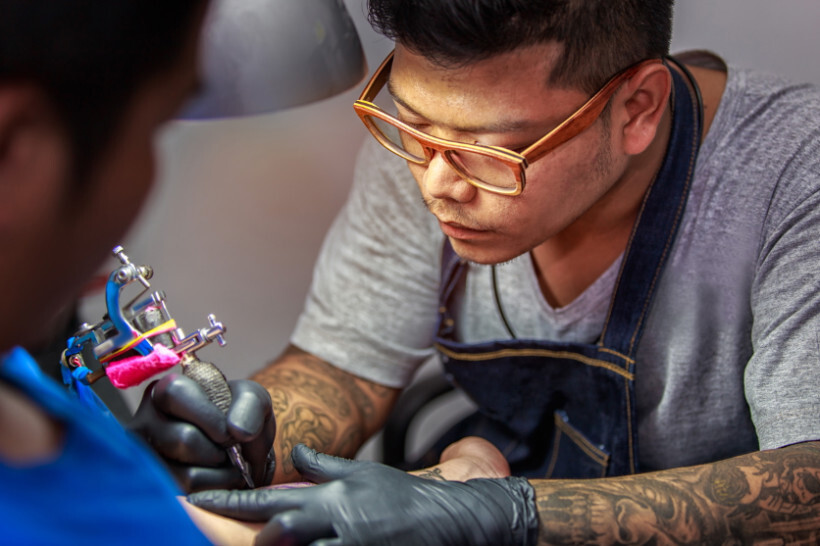
 Male tattoo artist inking a design on a client’s arm (Source: iStock)
Choosing a skilled and reputable tattoo artist ensures a safe experience and a design you’ll love for years. Here’s how to find the artist for you:
Check their portfolio and style compatibility. Review their online gallery or Instagram to confirm they specialize in your desired style.
Read reviews and ask for recommendations. Search for them online and see what others have to say about their experience during the session.
Prioritize safety and hygiene. Visit the studio to ensure it’s clean and professional, with sterile needles, high-quality ink, and clear aftercare instructions.
Book a consultation. Use this time to discuss your ideas, get a cost estimate, and assess the artist’s communication and professionalism.
Verify their experience and licensing. Choose an artist with expertise in your preferred style, and ensure they have the necessary certifications and comply with health regulations.
Find a skilled tattoo artist on Airtasker
Tattoo pricing can be unpredictable if you’re not familiar with the market trends, especially when factors like design complexity and location come into play. But don’t worry, regardless if you’re a first-timer or not, Airtasker can connect you with experienced tattoo artists who can deliver quality work at a price that fits your budget.
Post your task today to find the right artist and professional designer for the tattoo you’ve always wanted. You can even get a temporary tattoo artist for events!
Learn more about our contributors
Written by Angela A.
Staff Writer
Angela Apolonio is an experienced writer with a Biology background. She writes about home tips, car upkeep, gardening hacks, and food facts, bringing a unique blend of science and practicality to her work. As a wife and a mother, she knows the value of iron-clad routines, so she's passionate about sharing what works for her with everyone else. She loves making everyday life simpler and helping readers find fresh ideas to bring more joy into their spaces.
FAQs
Yes, depending on the artist, the size and complexity of each design, and the time available. If you want several small tattoos, ask whether the artist can complete them during the same session and provide a combined quote. Some artists may apply their shop minimum differently to separate designs, so confirm the pricing before booking.
Not necessarily. Payment arrangements vary between artists and studios, but larger tattoos completed over several appointments may be charged per session rather than as one upfront payment. Ask your artist how the deposit and remaining balance will be handled so you can budget for each stage of the project.
Tattoo artists generally set their prices according to the work involved and their own rates, so haggling over the quoted price may not be the best approach. If the tattoo is outside your budget, discuss whether changing the size, level of detail, or other design elements could bring the cost down instead.
It depends on the artist and the type of tattoo you want. Custom or larger pieces may require more planning because you’ll need time to discuss the design, placement, number of sessions, and expected cost. Simpler flash tattoos or walk-in appointments may be available sooner. If you have a particular artist in mind, contact them early to check their availability and booking process.
Find tattoo artists, fast
Post a task