- Home/
- Comparisons/
- Nail Technicians/
- Gel Nail Extensions vs. Acrylic
Gel nail extensions vs acrylic: Which is the better choice?
Find the right extension for your nail health and beauty goals
Published on

Written by Angela A.
Staff Writer
Read more about our contributor
Key Facts
- Gel nail extensions are flexible, lightweight nail enhancements that offer a natural look and require UV light to cure.
- Acrylic nail extensions are durable, rigid nail applications made from a mixture of liquid monomer and powder polymer.
It’s essential to know your options when getting a nail extension. It doesn’t matter if you’re aiming for long-lasting durability or a more natural look; the choice between gel nail extensions vs. acrylic can make a big difference.
In this guide, we’ll explore their unique characteristics, from the application process to their wearability. Whether you want something that blends seamlessly with your natural nails or something that stands up to the rigors of daily life, understanding these two popular methods will help you find the perfect fit for your nail goals.
What are gel nail extensions?
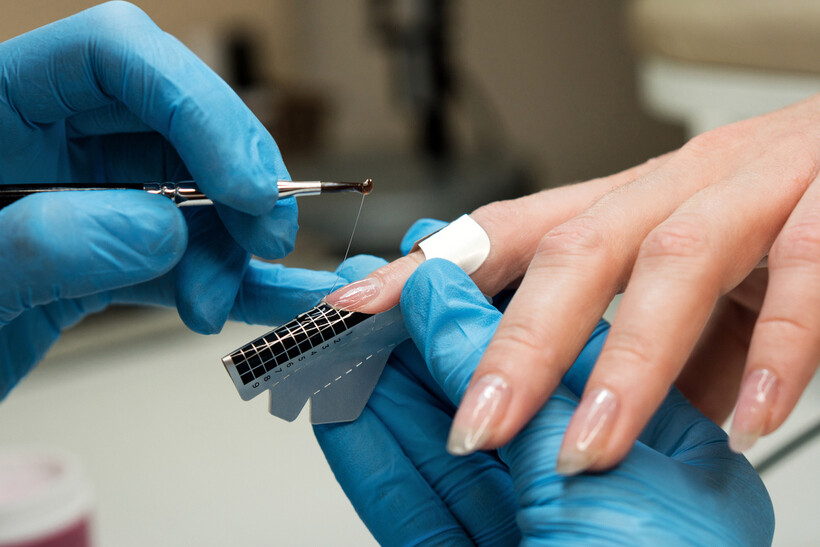 Applying specialized gel nail extensions (Source: iStock)
Gel nail extensions are a popular type of nail enhancement that uses a specialized gel applied to your natural nails. This gel is then cured under a UV or LED light, which hardens it and creates a durable, glossy finish.
The process typically involves a gel base coat, followed by your choice of gel nail polish color, and topped off with a gel top coat—all cured for maximum strength. One key benefit of gel extensions is their natural appearance. Plus, their flexibility allows for them to be shaped and sculpted so you can achieve your desired nail length and design.
It’s worth noting that when discussing gel options, you’ll often come across terms like hard gel vs builder gel. Hard gel offers a stronger structure, while builder gel is ideal for creating length and shaping. In either case, gel nail extensions can cater to a variety of styles and preferences, making them a versatile option for anyone visiting a nail salon.
What are acrylic nail extensions?
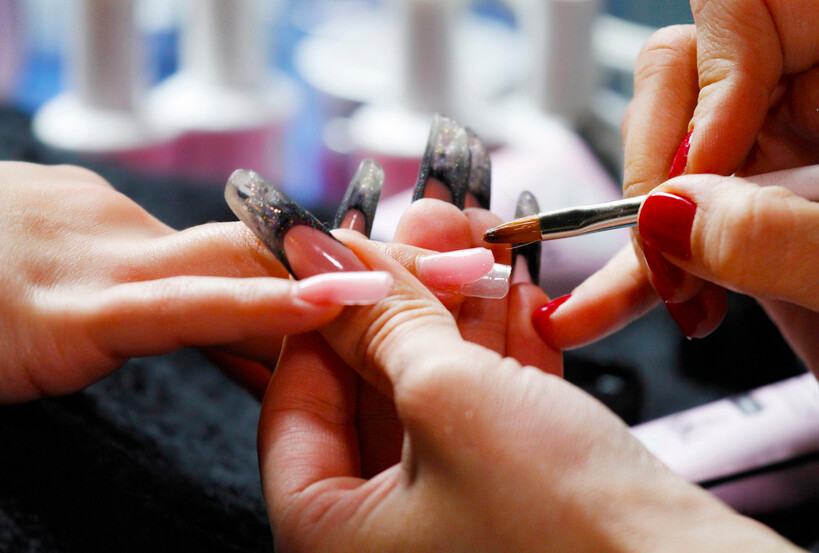 Polishing a set of acrylic extensions (Source: iStock)
Acrylic nail extensions are a favorite for anyone who wants a strong and durable manicure. They’re made by mixing a liquid monomer with a powder polymer to create a hard layer that protects your natural nails. Once applied, this mixture hardens upon exposure to air, forming a solid base for your nails.
One of the biggest advantages of acrylics is their impressive strength and longevity. If you’re looking for nails that withstand daily wear and tear, acrylics are a solid choice. Plus, they can be refilled as your natural nails grow, meaning you can keep your look fresh for longer. You can also get creative with shapes and lengths, so they’re perfect for detailed nail art.
Acrylic nail extensions vs. gel nail extensions: How do they differ?
When you’re at the salon, choosing between different types of nail extensions can feel overwhelming. All options have their unique benefits, so it’s essential to know what you’re looking for in the first place. Let’s dive into the key factors you should consider before making your decision.
In terms of the application process
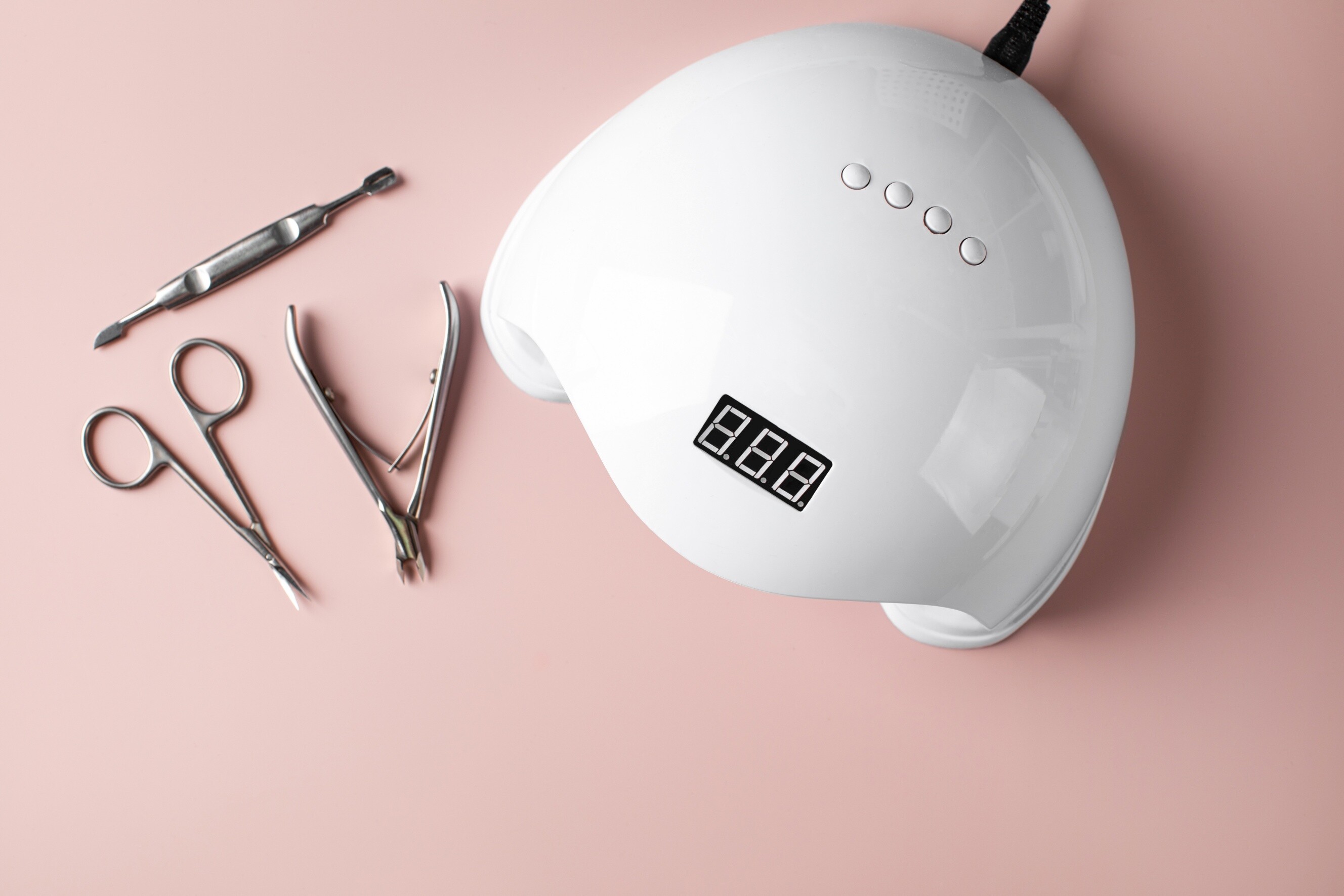
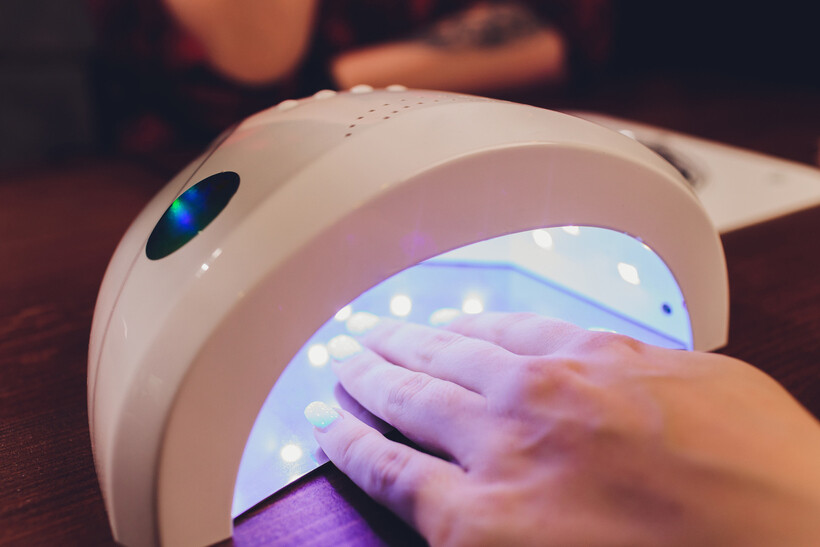 Curing gel nails under a UV lamp (Source: iStock)
Gel nail extensions begin with shaping and buffing the natural nails to eliminate oils for optimal adhesion. A base coat of gel is applied and cured under a UV or LED nail lamp. The gel is layered and cured with each application. Then, you can shape it either with forms or tips to achieve the desired length and style.
How are acrylic nails done? Acrylic nail extensions start with preparing the nails by buffing and filing as well. If longer nails are desired, nail tips are applied and shaped. Then, the dough-like acrylic is placed on the nails and shaped while still pliable. Unlike gel extensions, acrylic doesn’t need lamps, and it hardens quickly when exposed to air.
In terms of durability and wear time
Acrylic nail extensions are typically stronger and more rigid than gel nails. They’re less likely to chip or break, making them a better choice for those who lead an active lifestyle. As for how long do acrylic nails last, you can expect them to maintain their integrity for about 3 to 4 weeks before needing a fill, outlasting most gel options.
On the flip side, gel nail extensions offer a more flexible feel and can feel less bulky. But this flexibility can also lead to chipping if not cared for properly. They generally last around 2 to 3 weeks, depending on your daily activities and nail growth. While they’re less likely to yellow over time, you may need to visit your nail technician more frequently for maintenance and touch-ups.
In terms of appearance
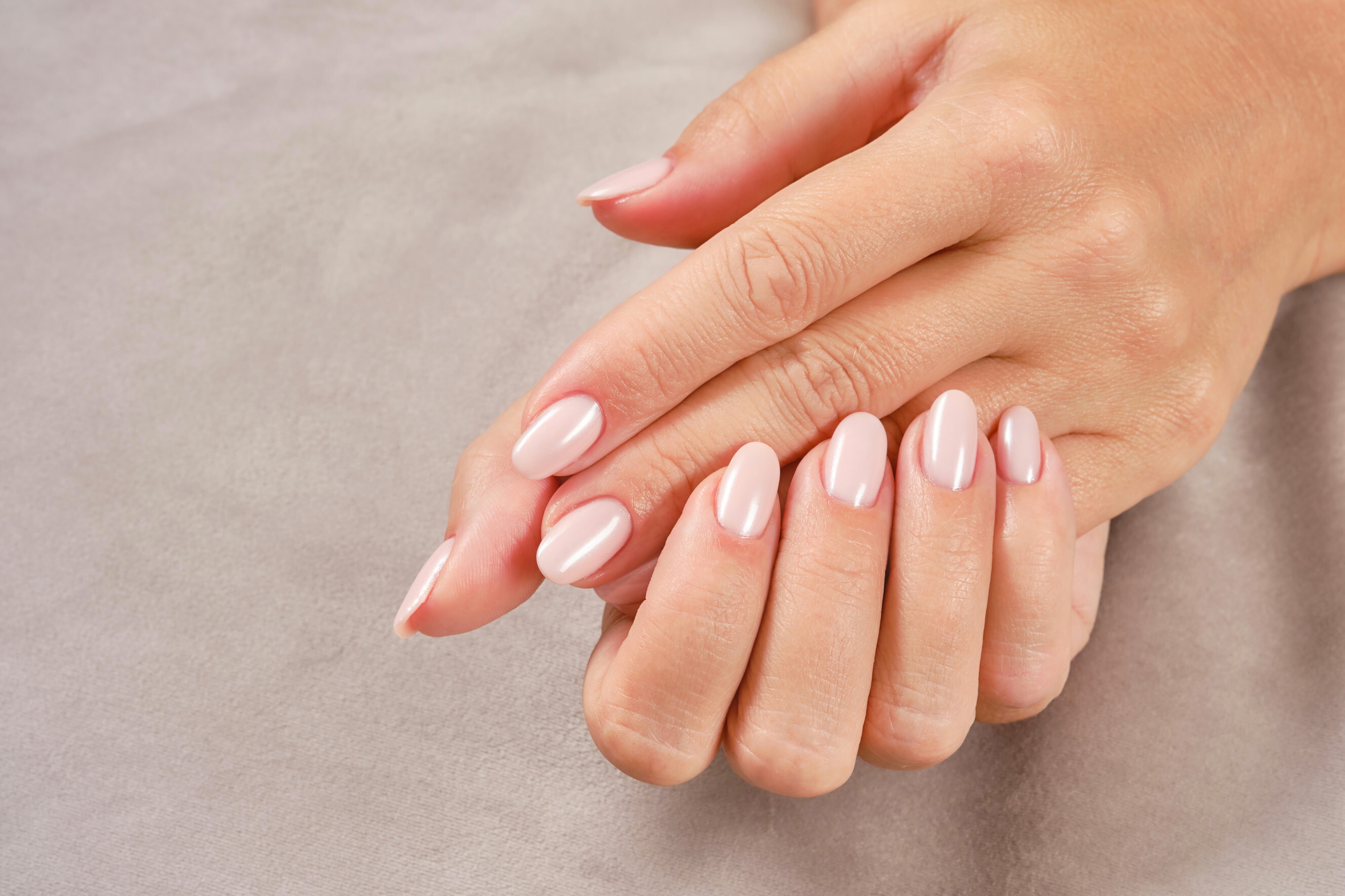
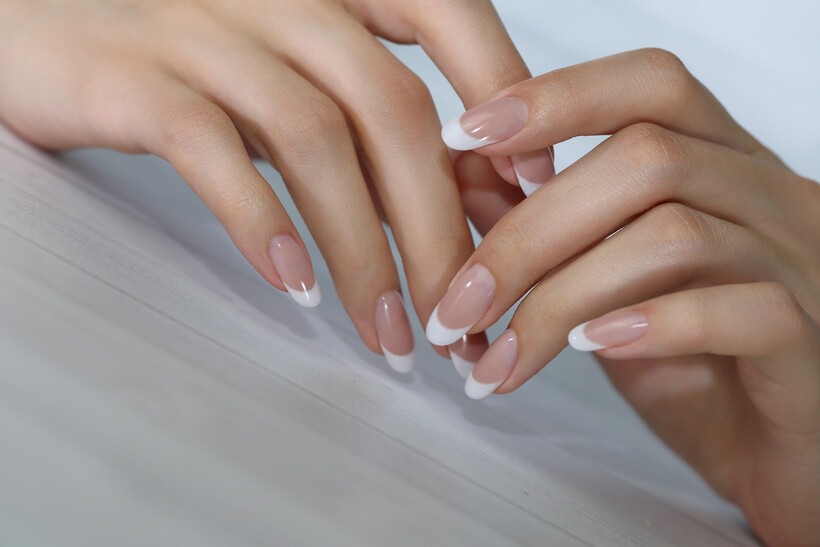 Elegant and natural-looking nail extensions (Source: iStock)
When comparing how acrylic and gel nail extensions look, gel nails typically win for a natural look. They have a glossy, smooth finish that closely resembles natural nails and are thinner, which makes them feel less bulky. This also gives a more elegant appearance and makes them ideal for those who prefer a subtle style.
Acrylic nails, on the other hand, tend to be thicker and more rigid, which can make them look less natural. If not shaped correctly, they may appear bulky. And while they can be polished to shine, acrylics might not maintain their luster as well as gels and can become yellow over time with exposure to chemicals.
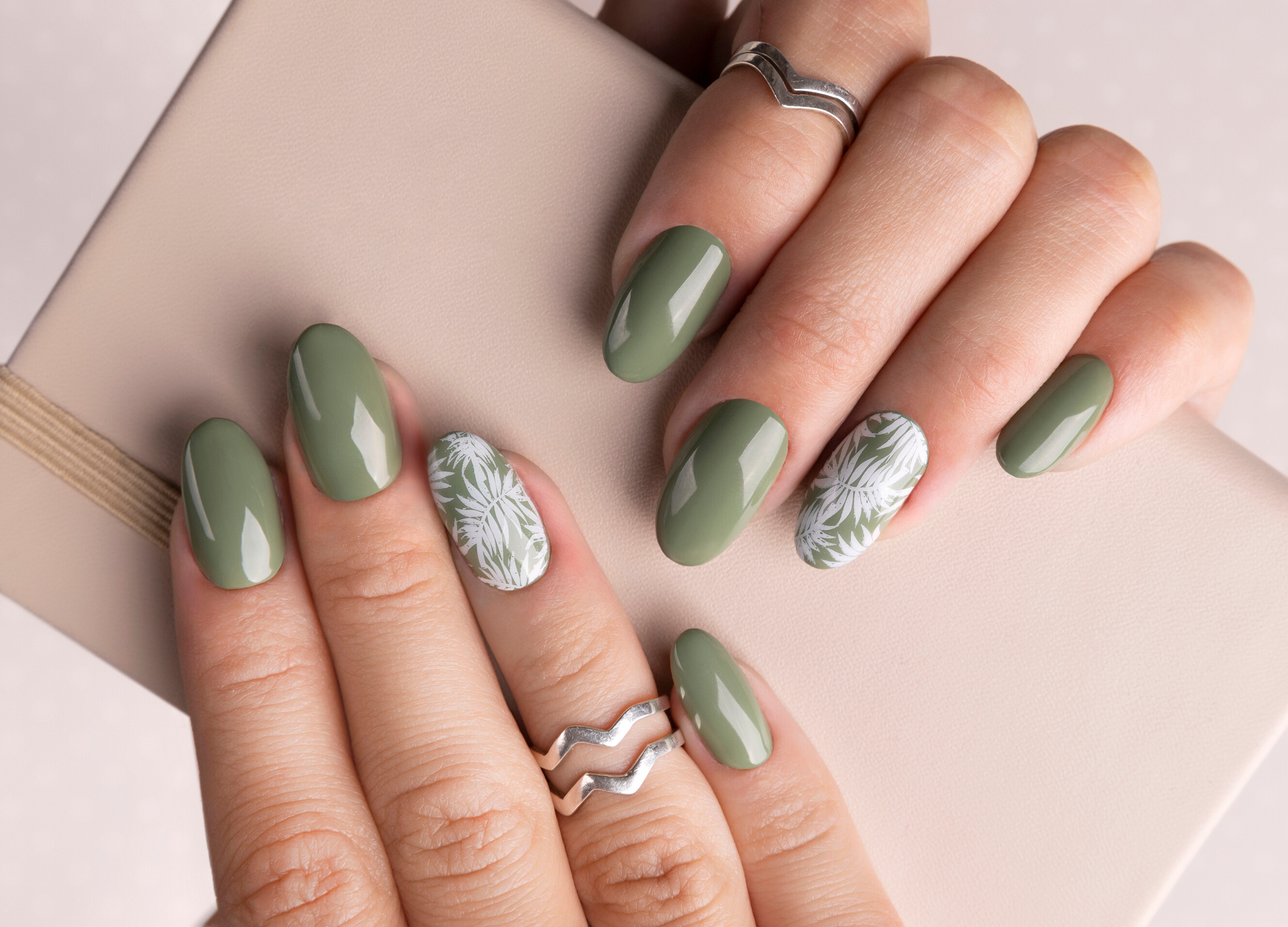
In terms of customization, both options can be used in nail art. Gels are used for intricate designs and are easier to shape due to their smooth surface. Acrylics can also be shaped into various lengths and styles, but achieving a natural appearance may require more skill.
In terms of maintenance
When it comes to upkeep, gel nail extensions generally require less attention than acrylics. They need fills as the natural nail grows, but their flexibility reduces the chance of lifting. Acrylic nails, though, usually need fills every 3 to 4 weeks to maintain their strength and appearance.
Because they’re harder, acrylics are more prone to lifting, which can lead to extra touch-ups. These differences mean that gel nails might save you money in manicure costs in the long run due to their lower maintenance needs. While acrylics may be more resilient, the upkeep can add up over time, especially with the necessary buffing and polishing to maintain their shine.
In terms of the removal process
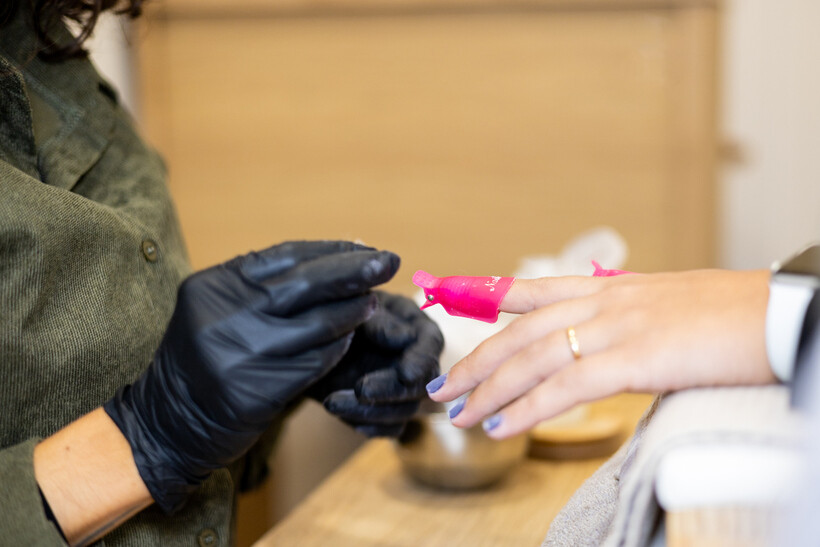 Stripping away old nail enhancements (Source: iStock)
The process of removing gel nail extensions is generally straightforward. The gel is soaked off using cotton balls soaked in acetone or a dedicated gel remover. They’re placed on the nails and wrapped in foil for 15 to 20 minutes. After that, a nail technician can gently push off the softened gel.
In contrast, removing acrylic nails is more complex and time-consuming. Acrylics require soaking in pure acetone, which can take 30 to 40 minutes or longer before they’re softened enough for removal. If not done properly, this process can leave the natural nails brittle and prone to issues.
In terms of impact on natural nail health
Gel nail polish and extensions are usually seen as less harmful to natural nails because of their flexibility. It helps reduce breakage and peeling. However, frequent use can still thin the nail plate, so it’s important to take breaks for recovery.
Acrylic nails, on the other hand, tend to lead to more damage over time. The extensive filing required during application and removal can leave nails thin and brittle. The chemicals in acrylics may also irritate the nails and skin, posing additional risks.
So, is gel or acrylic better for weak nails? Ultimately, it depends on the individual’s natural nail health and preferences. Gel nails may be a better option for those with weaker nails, but proper care and maintenance should still be practiced to avoid any potential damage.
Book a talented nail technician on Airtasker
The choice between gel and acrylic nail extensions really comes down to your needs and nail health. While gel nails offer flexibility and can be kinder to weak nails, acrylics can provide that sturdy, long-lasting finish. No matter which option you lean towards, though, it’s always best to seek help from a professional to ensure the job’s done right.
That’s where the Airtasker platform comes in! Easily post a task and connect with expert nail technicians and pro manicurists who can bring your nail vision to life. You can even read through reviews and compare quotes to choose the best fit for you.
Learn more about our contributors
Written by Angela A.
Staff Writer
Angela Apolonio is an experienced writer with a Biology background. She writes about home tips, car upkeep, gardening hacks, and food facts, bringing a unique blend of science and practicality to her work. As a wife and a mother, she knows the value of iron-clad routines, so she's passionate about sharing what works for her with everyone else. She loves making everyday life simpler and helping readers find fresh ideas to bring more joy into their spaces.
Gel Nail Extensions vs. Acrylic
Gel Nail Extensions |
Acrylic Nail Extensions |
|
|---|---|---|
Application Process |
Requires curing under UV/LED light, multiple layers |
Applied with a liquid monomer and powder polymer, air-dries |
Durability and Wear Time |
Lasts 2-3 weeks, flexible but may chip |
Lasts 3-4 weeks, strong and durable, less likely to chip |
Appearance |
Natural, glossy, less bulky |
Thicker, can look less natural, prone to yellowing |
Maintenance |
Less frequent fills, lower maintenance |
Requires regular fills every 3-4 weeks, higher maintenance |
Removal Process |
Soaked with acetone for 15-20 minutes |
Requires soaking in acetone for 30-40 minutes or longer |
Impact on Natural Nail Health |
Generally less damaging, but frequent use can thin nails |
Can lead to thinning and brittleness due to filing and chemicals |
FAQs on gel and acrylic nail extensions
Yes, but caution is advised. Acrylics may cause further damage due to the extensive filing involved. It’s better to strengthen nails first or choose gentler options like gel overlays.
No, gel nail polish must be cured under a UV or LED light to harden properly. Without this light, the polish remains tacky and can peel or smudge.
Yes, acrylic nails can lift or detach over time as the natural nail grows. Regular maintenance and professional removal are recommended to prevent damage to the natural nails.
Find nail technicians, fast
Post a task
Related price guides

How much do eyelash extensions cost?
Read more

How much does a pedicure cost?
Read more

How much is eyebrow threading?
Read more

Related articles