House restumping in Australia: What it is and when you need it
Sagging floors and cracking walls are your home's way of telling you the stumps underneath need attention.
Published on

Written by Daniel H.
Contributor
Read more about our contributor
Key Facts
House restumping replaces deteriorating foundation stumps to restore structural stability.
The three main stump materials are treated timber, concrete, and galvanised steel, each with different costs and lifespans.
Restumping is a licensed building work in every Australian state, so work with a registered contractor and check the requirements with your local building authority.
If your floors have started to sag, your doors are sticking, or you're noticing cracks appearing in the walls, the problem might not be cosmetic. For many older Australian homes, particularly in Victoria, Queensland, and South Australia, these could be signs that the stumps holding up the house are deteriorating. Restumping is how you fix it.
Restumping a house can resolve years of structural movement, protect against future flooding, and add genuine resale value. This guide covers everything you need to know, from what is restumping to understanding your options and finding the right contractor.
What is house restumping?
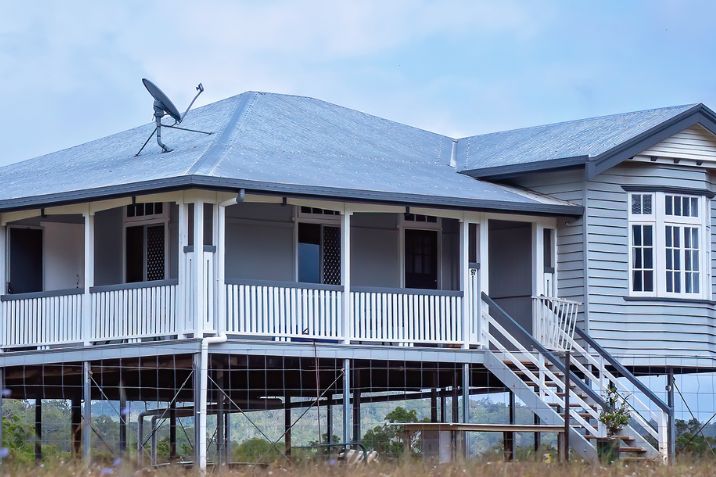 House foundation after restumping (Source: iStock)
House restumping is the process of replacing a home's existing stumps when they've become damaged or can no longer do their job properly. Depending on the condition of the foundation, this might mean replacing every stump (full restumping) or just the ones that have deteriorated (partial restumping).
Stumps sit beneath a raised house and transfer its weight to the ground below, keeping the structure level and stable. When they wear out, the whole house can shift and lead to uneven floors, cracked walls, and sticking doors. Common causes include dry rot, termite damage, and soil movement, which can happen even in well-maintained homes.
If your home has stumps that can't be replaced, or if the damage is more complex, alternatives like piering and underpinning can be used instead. These approaches add support structures beneath the existing foundation rather than replacing the stumps entirely.
What are the signs your house needs restumping?
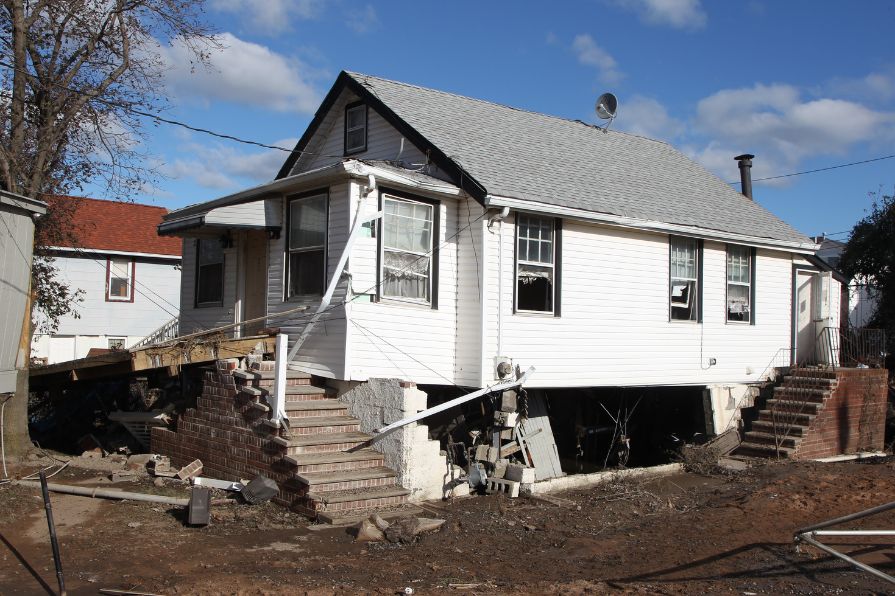 House with damaged foundation stumps (Source: iStock)
Problems with worn-down house stumps manifest in various ways, some of them not obvious. Here are a few:
Uneven floors: Sagging or uneven floors are a common sign of damaged stumps. Some floors may even slope in one direction, generally toward the weaker stumps. Left unattended, this can cause the house to sink or settle unevenly.
Sticking doors and windows: When stumps become misaligned, it can cause doors and windows to stick or bind, making them difficult to operate. They may sometimes not even open or close completely.
Cracked walls and ceiling: Weakened stumps stress the home's structural integrity, leading to these visible cracks. These cracks are usually found in walls, ceilings, or around windows and doors.
In severe cases, damaged stumps can lead to structural instability, putting the entire house at risk.
What are the benefits of house stumping?
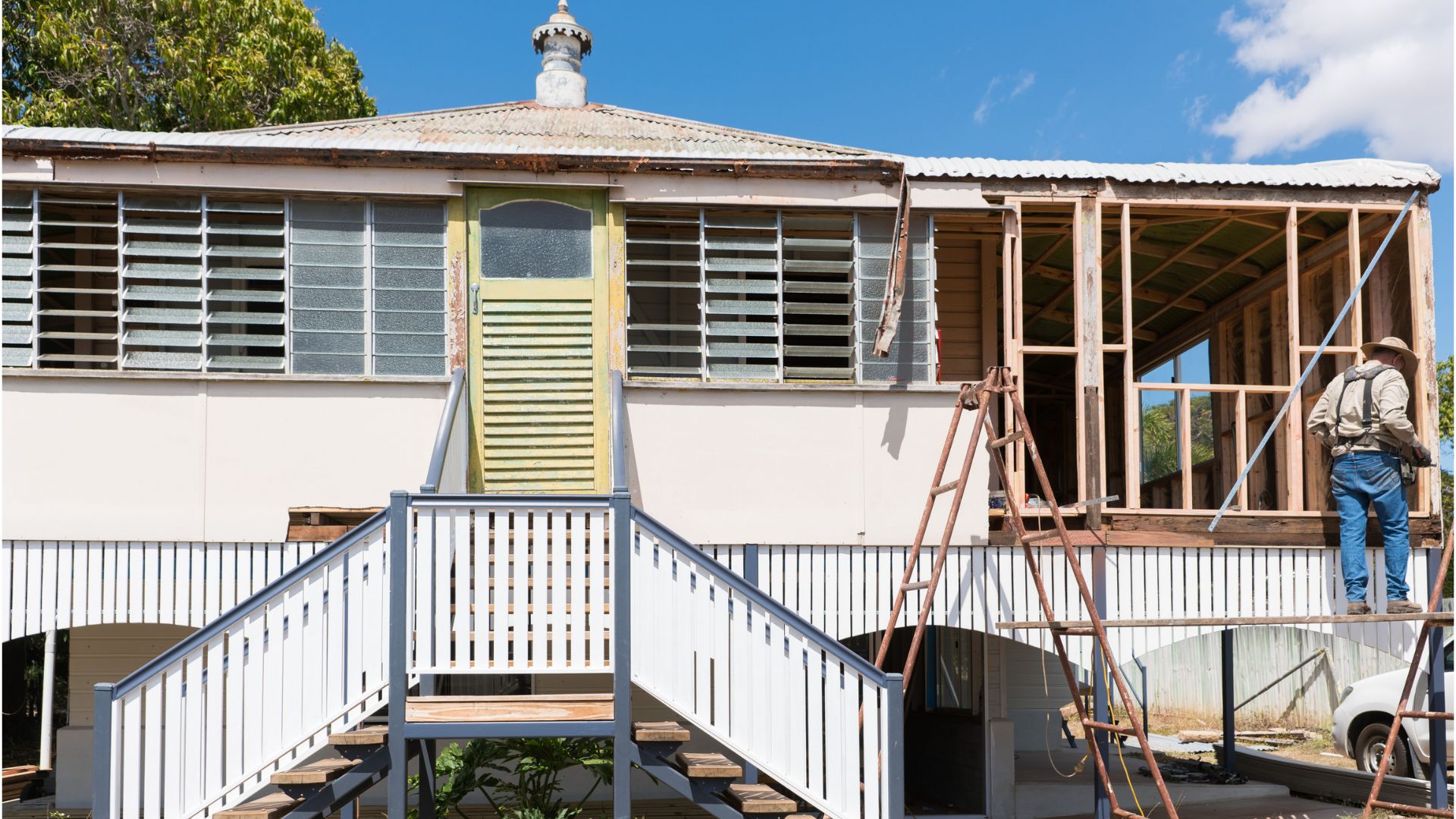
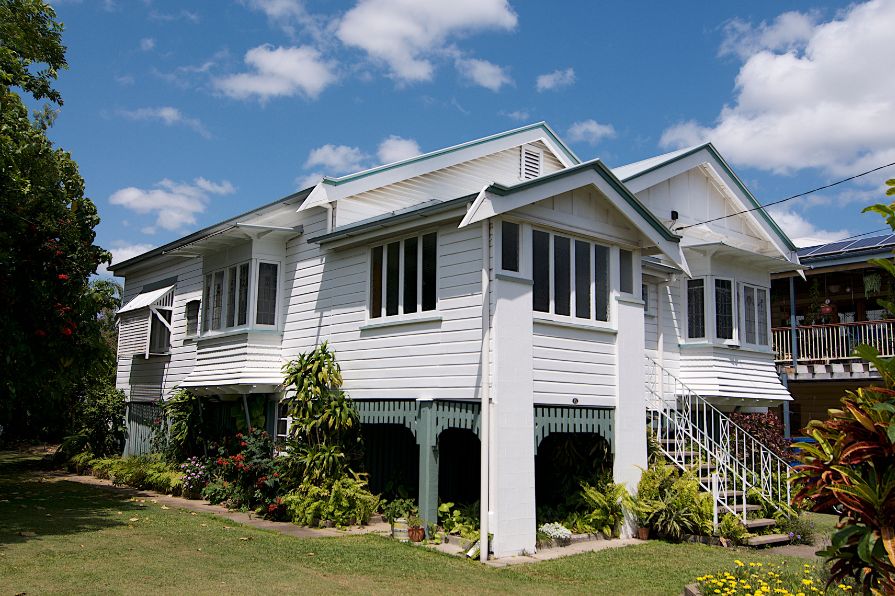 Beautiful elevated home after restumping (Source: iStock)
The most immediate benefit is straightforward: fixing the problem.
Restumping addresses the root cause of uneven floors, sticking doors, and cracked walls rather than patching the symptoms.
New house stumps restore the level, stable foundation on which the house was built.
Restumping can raise the height of the house slightly, which improves drainage and reduces flood risk.
A properly restumped house signals to buyers that the property has been well maintained, which supports resale value.
Given that flooding accounts for around 20% of natural disaster casualties in Australia over the last century, and climate change is making extreme weather events more frequent, the added clearance is worth considering.
If the restumping is done as part of a broader building and construction project, like adding a room or raising the floor level, the return on investment can be even stronger.
Stump materials: which one is right for you?
Does this mean you need to choose the most expensive material for your restumping project? Not necessarily. Most homeowners can choose from the three most common stump materials: treated timber, concrete, and galvanised steel.
Timber stumps
The most affordable of the three. Treated timber is effective and widely used, but it's the most vulnerable to rot and termite damage over time, particularly in areas with high moisture or active termite populations. Regular pest control inspections are a must if you go this route.
Concrete stumps
The most popular middle-ground option. Concrete is more durable than timber and handles moisture and soil movement better, without the price jump of steel. They're especially popular for restumping Melbourne properties built on reactive clay soils, which are prone to seasonal movement.
Galvanised steel stumps
The most durable option and the longest-lasting, but also the most expensive, sometimes five times the cost of concrete. Many steel stumps are adjustable, which is a genuine advantage: if the ground shifts later, the stumps can be re-levelled without another full restumping job. They're particularly well-suited to homes on sloping sites.
Steel stumps vs concrete stumps
While both options are sturdy and durable, they offer different benefits. Steel stumps are easier to install and adjust, making them a top choice for homes on sloping sites. They’re also resistant to pests and moisture, reducing the risk of damage and costly repairs.
On the other hand, concrete stumps offer excellent load-bearing capacity and can support heavier structures. Ultimately, the choice between steel and concrete stumps will depend on your specific needs, budget, and building site.
The house restumping process
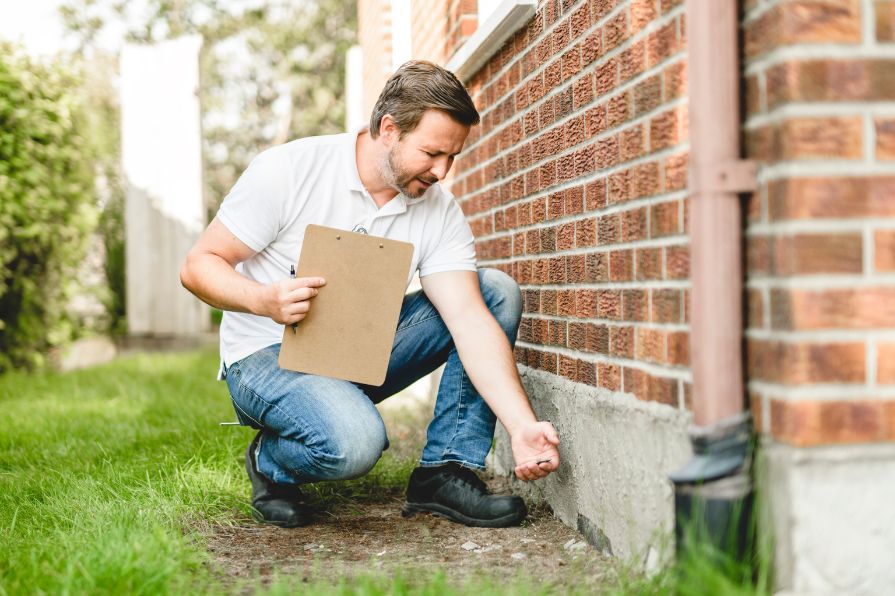 Inspector examining house foundation (Source: iStock)
Restumping isn't a quick job. It involves lifting the entire house, removing the old stumps, and setting everything back down level. Here's what the process looks like from start to finish.
1. Site preparation
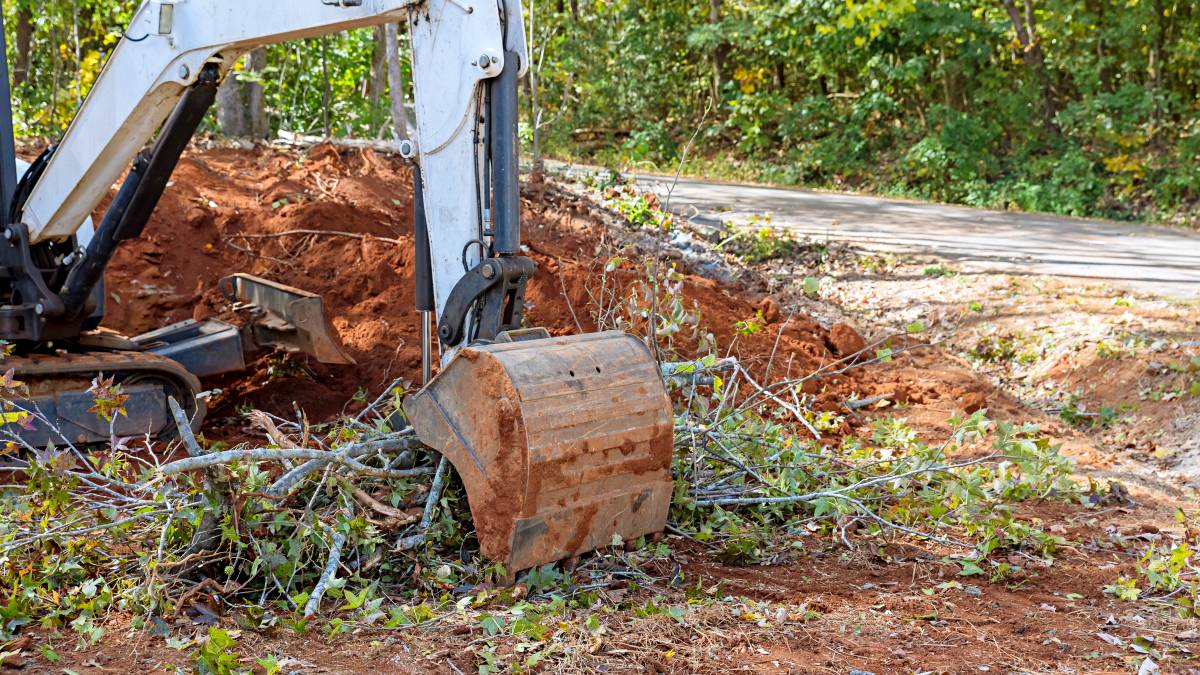
Professional restumpers clear the area around the home's foundation, then excavate it to expose the existing stumps. This allows the crew to assess the condition of the stumps and the underlying soil. Boards around the house will also need to be removed.
2. Inspection
Before new stumps can be installed, the home must be inspected by a private surveyor or your local council. This inspection confirms the structural assessment and gives the green light to proceed.
3. Stump removal
Once the stumps are examined and determined to be damaged, restumping builders position hydraulic jacks, cranes, and other machinery to lift and support the house from the stumps. This allows workers to examine the old stumps and determine the extent of the damage. They then carefully remove the old, damaged stumps.
4. New stump installation
The new stumps—timber, concrete, or steel, depending on which material you chose—are measured, cut to size, and installed. A level is used throughout to make sure the house is even as the stumps go in. Adjustable steel stumps can speed this step up considerably.
5. Repositioning
Once the stumps have been replaced, the home is then carefully lowered and adjusted using hydraulic jacks to ensure the foundation is perfectly level and the new stumps are properly aligned.
6. Finishing touches
The crew backfills the excavated areas with topsoil and gravel, relays any pavers or concrete that were disturbed, and restores the surrounding landscaping as closely as possible to how it was before. This is also when earthmoving contractors may be brought in to handle larger-scale ground restoration.
How to find and hire the right restumping contractor
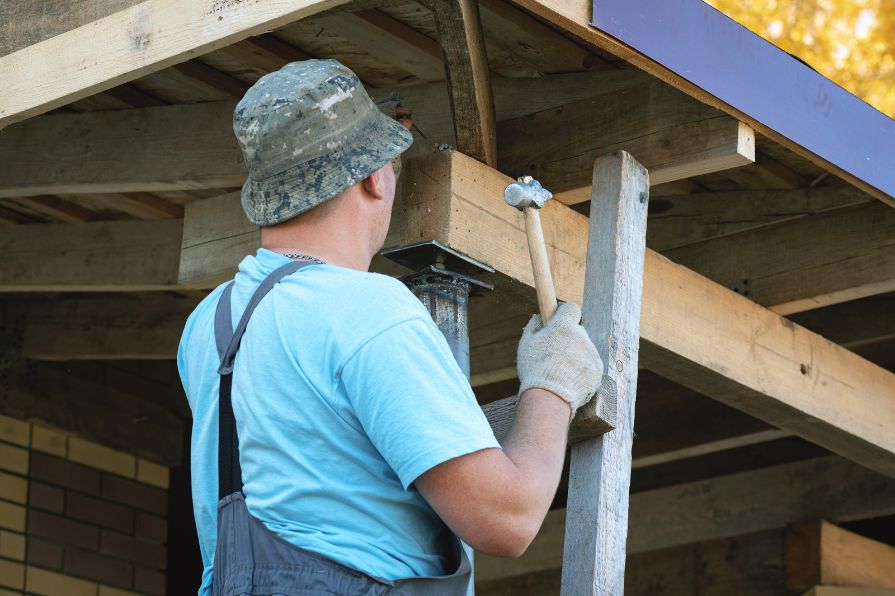 A builder replacing foundation stumps (Source: iStock)
Restumping is a licensed structural work, so who you hire matters. Here's what to check before you commit to anyone:
Verify their licence and insurance. A licensed contractor has met the training and compliance standards required by your state's building authority. Insurance protects you if something goes wrong on-site. Always ask for both before signing anything.
Check reviews and ask for referrals. Look at online reviews and ask your friends, acquaintances, or local community for referrals and first-hand testimonials. A reputable restumper will also be able to show you a portfolio of completed jobs.
Research and get at least three quotes. Comparing quotes helps you understand what's reasonable and spot anything that seems off. For a broader context on house-building costs, it's worth reading up before you start talking to contractors.
Ask about the full scope. A good contractor will walk you through what's included so there are no surprises when the invoice arrives.
Licencing requirements
In terms of licensing, the qualifications and regulations may vary depending on the territory or state. Some states require the worker to have a permit if the work carried out exceeds a specific monetary amount.
State/Territory |
Licensing body |
Key requirement |
|---|---|---|
New South Wales (NSW) |
Builder's licence required for work valued above $5,000 in labour and materials (including GST). |
|
Victoria (VIC) |
Registration is required for certain works like restumping regardless of contract value. |
|
Queensland (QLD) |
QBCC licence required for work valued above $3,300, including GST. |
|
Western Australia (WA) |
Must be registered as a building services contractor under the Building Services (Registration) Act 2011. |
|
South Australia (SA) |
Builder's licence required; must be renewed annually. |
|
Tasmania (TAS) |
Builder's licence required; minimum two years of relevant work experience to qualify. Three licence categories: builder, fire protection, and demolisher. |
|
Australian Capital Territory (ACT) |
Registered builder's licence required; compliance with local regulations and inspections mandatory. |
|
Northern Territory (NT) |
Restumping is structural building work; registration as a building contractor with the Building Practitioners Board is required. |
State requirements may change over time, so always check with your local authority or state building regulator before work begins.
Restore your home's foundation
Sagging floors and sticking doors aren't just annoying. They're your home telling you something's wrong underneath. The good news is that restumping is a well-understood process, and the right contractor can have your foundation solid and level again without the disruption you might expect.
On Airtasker, you can connect with experienced local levelling specialists and builders who handle restumping and house foundation repair across Australia. Post a task today and connect with licensed Taskers who'll assess your home, walk you through your options, and get the job done properly from the ground up.
Learn more about our contributors
Written by Daniel H.
Contributor
Daniel is an experienced writer specialising in topics like construction and renovation, home improvement, DIY projects, and more. When not writing, Daniel enjoys playing online games, discovering new music, and exploring pop culture, which adds a creative spark to his work.
Frequently Asked Questions
Leaving damaged stumps in place means the problems will keep getting worse. What starts as a slightly uneven floor or a sticking door can become cracked walls, gaps around windows, and in serious cases, sections of the house sinking unevenly. The longer it's left as is, the more expensive the repair becomes, and the more likely it is that other parts of the structure get damaged in the process.
It depends on the material, soil conditions, the level of the lawn, and the age of the property. Timber stumps typically last 40–60 years before they need replacing; concrete and steel last considerably longer. If you're buying an older home, it's worth factoring in whether a restump might be on the horizon.
In most cases, yes, though it's not always comfortable. Restumping is typically done in sections, so the house stays supported throughout the process. However, there will be noise, vibration, and disruption to the areas being worked on, and some doors and windows may be temporarily difficult to use while the house is being lifted and lowered.
It can be, depending on the price and the extent of the work required. Restumping is a known, manageable cost, and if it's already been factored into the purchase price, it can represent good value. What you want to avoid is buying a house where stump damage has been left so long that it's caused broader structural problems.
When done by a licensed, experienced contractor, restumping shouldn't cause damage to your home. There will be some minor disruption, like doors and windows temporarily sticking more than usual during lifting and cracked plaster needing touching up afterwards. That said, homes with existing structural weaknesses or significant pre-existing damage are more vulnerable during the process, which is another reason to use a qualified professional rather than cut costs.
Find levelling experts, fast
Find a levelling expert