- Home/
- Guides/
- Asbestos Removal/
- How to Identify Asbestos
How to identify asbestos: A guide for Australian homes
Spotting suspicious materials before they become a serious renovation risk
Published on

Written by John C.
Contributor
Read more about our contributor
Key Facts
Many older Australian homes may still contain asbestos, especially those built or renovated before the 1990s.
Asbestos is most dangerous when disturbed, such as during drilling, sanding, cutting, demolition, or renovation work.
You can’t confirm asbestos by sight alone; professional testing is the only reliable way to know if a material contains asbestos.
Asbestos can be hard to spot, especially when it’s hidden inside walls, ceilings, floor layers, roof spaces, or old building products. For Australian homeowners, the safest starting point is simple: If your home was built or renovated before the early 1990s, assume asbestos may be present.
Australia banned the use, sale, and import of asbestos in 2003, but many older homes can still contain the hazardous material. This guide explains where it’s commonly found, what warning signs to look for, and when to get help.
What is asbestos?
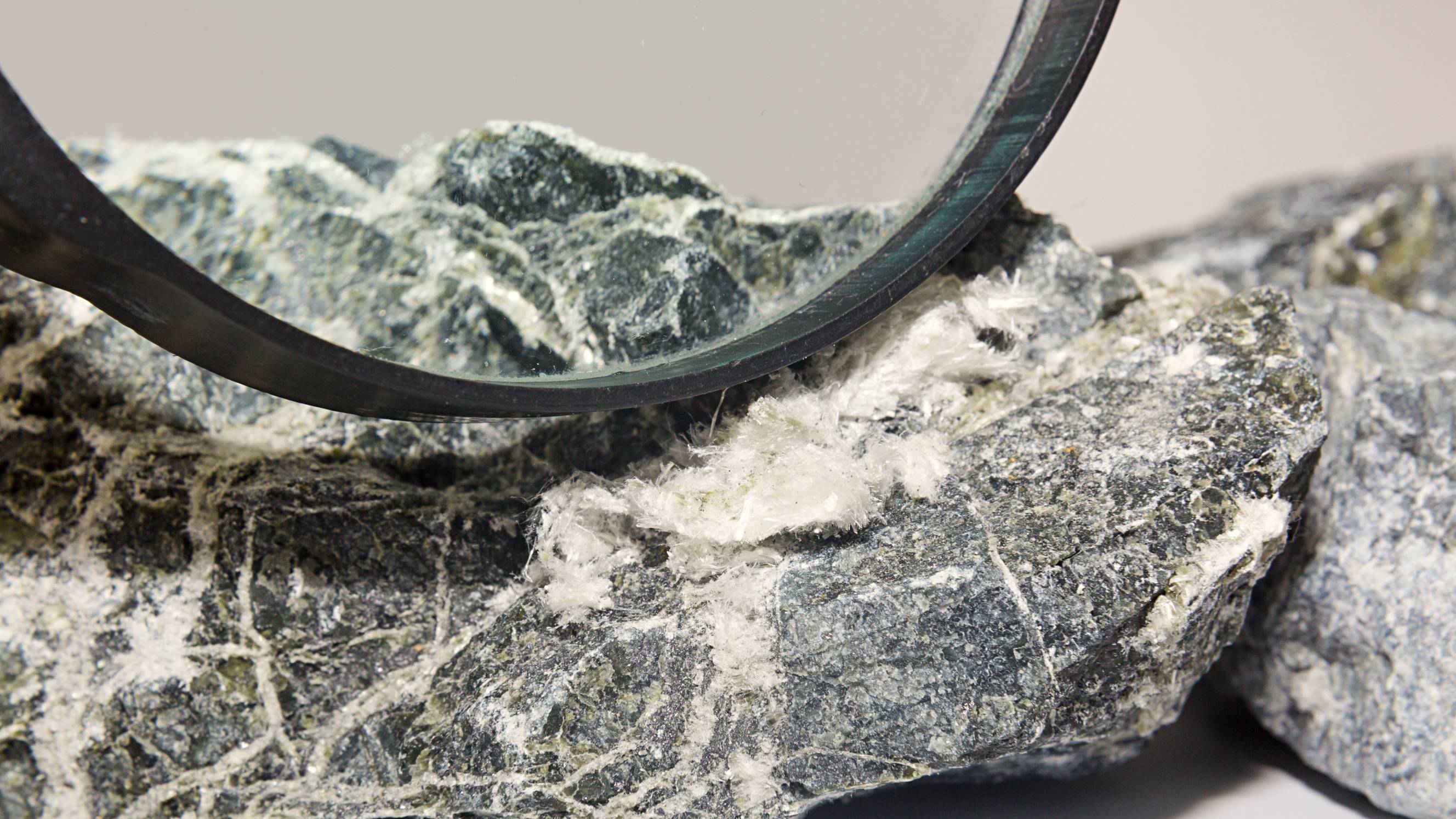
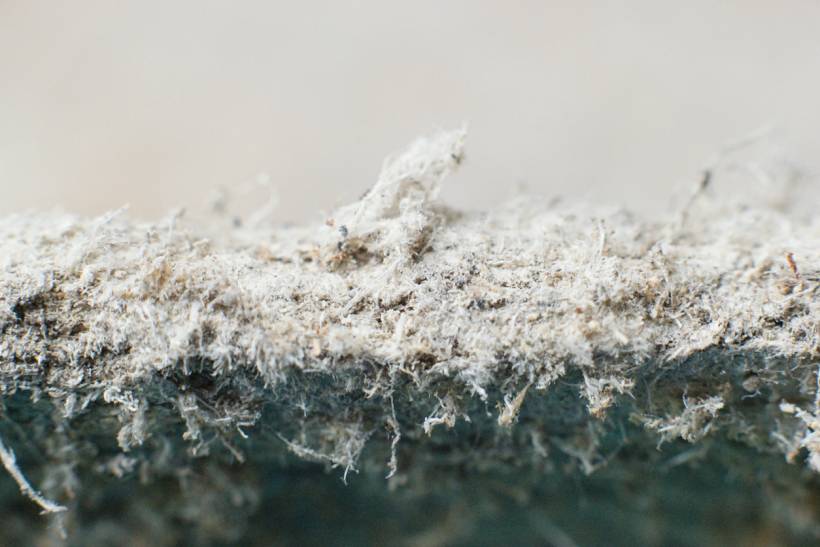 Fine white fibres along the edge of a grey building material sample (Source: iStock)
Asbestos is a group of naturally occurring mineral fibres once used in thousands of building and industrial products. It was popular because it was strong, heat-resistant, chemical-resistant, and useful for insulation.
In Australian homes, the most common asbestos types were:
Type of Asbestos |
Common Description |
|---|---|
Chrysotile |
White asbestos |
Amosite |
Brown asbestos |
Crocidolite |
Blue asbestos |
Why is asbestos dangerous?
Asbestos is most dangerous when it’s disturbed. Cutting, drilling, sanding, scraping, breaking, pressure washing, or demolishing asbestos-containing materials can release microscopic fibres into the air.
If inhaled, these fibres can lodge in the lungs and contribute to serious diseases such as asbestosis, lung cancer, mesothelioma, and pleural disease.
Undamaged, sealed asbestos that is left alone may pose a lower immediate risk, but it should still be monitored and managed carefully.
Where is asbestos commonly found in Australian homes?
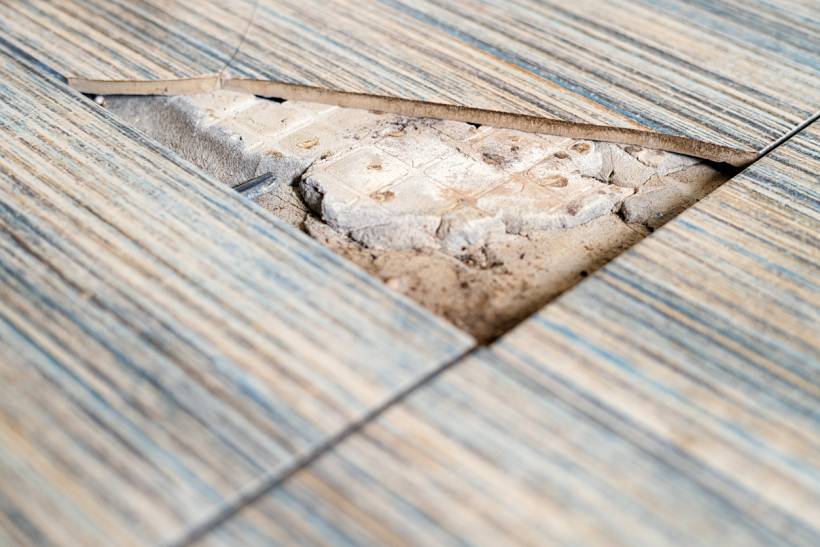 Broken vinyl flooring and cracked underlayer detail (Source: iStock)
Asbestos was used in many building materials, so it can appear in more places than homeowners expect. Here are the main areas to check:
Roof and exterior
Walls and cladding
Bathrooms and laundries
Kitchens
Floors
Ceilings
Fencing and garden areas
Pipes and insulation
Electrical areas
What are the steps to identifying home asbestos?
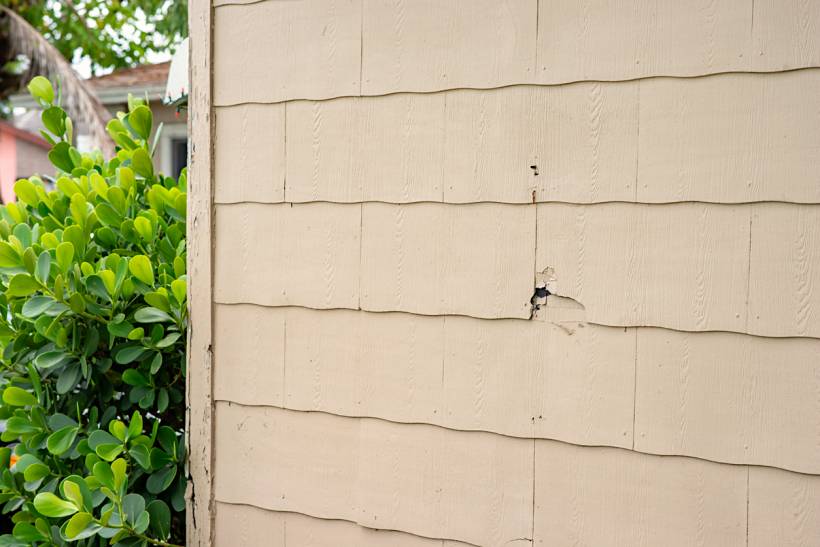 Older house cladding showing a small broken section near a seam (Source: iStock)
Step 1: Check the age of your home
Start with the property’s age. If your home was built or renovated before 1990, there’s a higher chance that asbestos-containing materials were used. If work was done before the 2003 national ban, asbestos may still be possible, especially if older stock or existing materials were reused.
Check:
Building records
Renovation history
Council documents
Old receipts or product labels
Previous asbestos reports
Strata or body corporate records, if applicable
If you don’t know when a material was installed, treat it as suspicious.
Step 2: Look for common visual clues
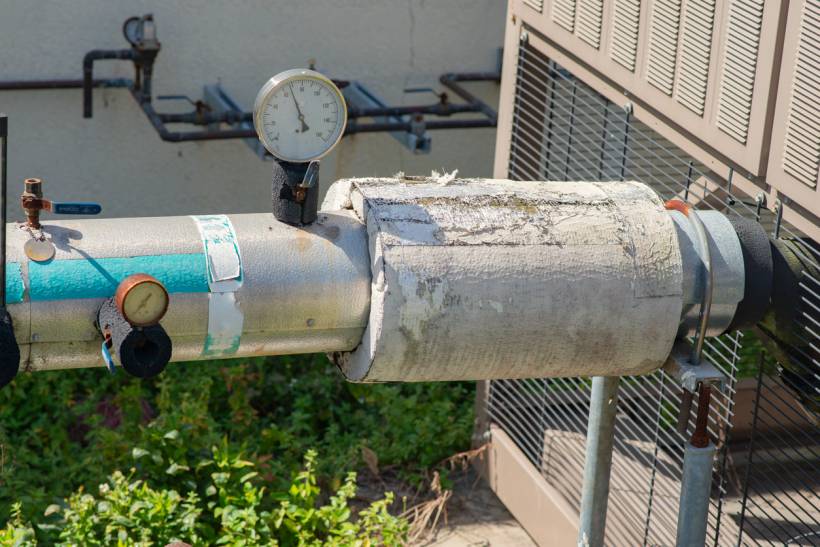 Weathered pipe insulation with frayed fibrous material near gauges (Source: iStock)
You can’t confirm asbestos by sight alone, but some materials are more suspicious than others.
Look for:
Grey, bluish-grey, or off-white cement-like sheets
Corrugated roofing
Flat wall panels in wet areas
Stippled or textured ceiling coatings
Sheet flooring with backing layers
Rough or fibrous-looking old insulation
Old switchboard backing panels
Step 3: Inspect high-risk areas without touching them
Walk around the home and note any suspicious materials. Take photos if it is safe to do so, but don’t touch, scrape, pull, lift, or break anything. If you find damaged material, keep the area clear and avoid sweeping or vacuuming nearby dust.
Step 4: Check whether the material is bonded or friable
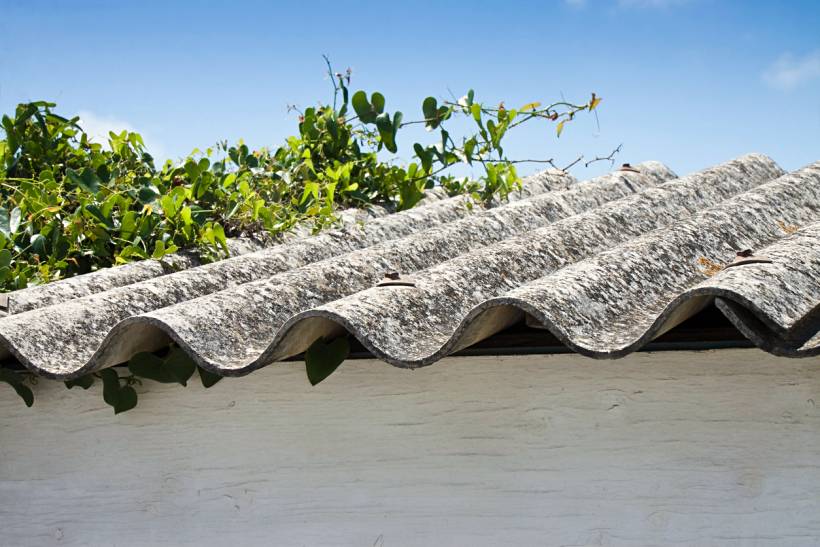 Wavy cement roofing sheets showing age and exterior wear (Source: iStock)
Asbestos-containing materials are often described as either bonded or friable.
Type |
What It Means |
|---|---|
Bonded asbestos |
Asbestos fibres are mixed into a solid material |
Friable asbestos |
Material can be crumbled, pulverised, or reduced to powder by hand pressure |
Friable asbestos is more dangerous because fibres can become airborne more easily. If you suspect friable asbestos, do not touch it.
Step 5: Get an asbestos assessment
A licensed asbestos assessor or competent asbestos removalist can inspect suspicious materials, identify likely asbestos-containing products, arrange testing, and advise what to do next.
An assessment is especially important if:
You’re planning renovations or demolition
The material is damaged or deteriorating
The area is in a bathroom, laundry, roof, or ceiling cavity
You’re buying or selling an older home
You need a written report for compliance or peace of mind
You’re unsure whether the material is friable or bonded
Safe Work Australia recognises licensed asbestos assessors for work such as air monitoring and clearance certificates in certain asbestos removal situations.
Step 6: Confirm with laboratory testing
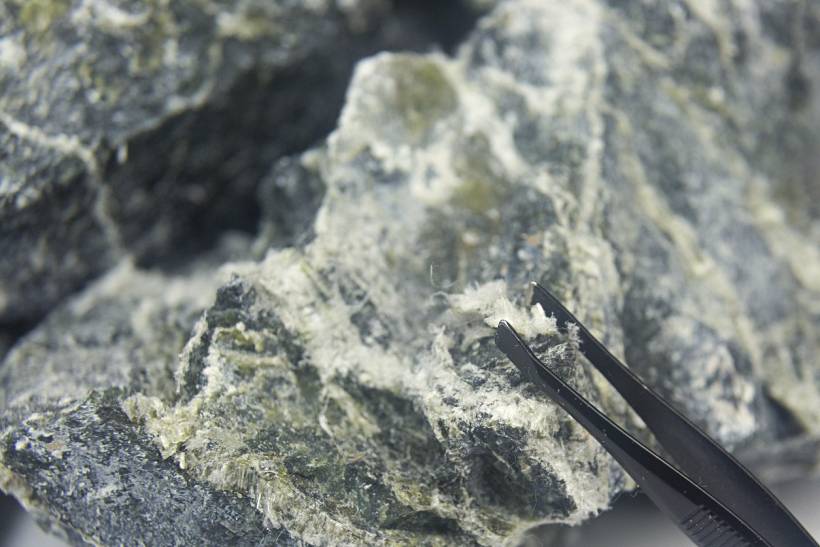
The only way to know for sure if a material contains asbestos is laboratory testing. An expert can safely take a sample and send it to an accredited lab.
Avoid DIY sampling unless you are legally allowed to do so in your state or territory and understand the safety requirements. Sampling can disturb fibres if done incorrectly, so hiring a professional is usually the safest option.
Can you remove asbestos yourself?
Rules vary by state and territory, but asbestos removal is tightly regulated. In NSW, for example, licensed asbestos services must be used for friable asbestos and for areas of non-friable asbestos exceeding 10 square metres. SafeWork NSW also recommends them for any amount of non-friable asbestos because of the risks involved.
A Class A removalist can remove all types of asbestos, while a Class B removalist can remove non-friable asbestos only.
For homeowners, the safest approach is to avoid DIY asbestos removal, especially if the material is damaged, hard to access, or near living areas.
Identify and remove asbestos safely with Airtasker
Identifying asbestos is not about taking risks or guessing from photos. It’s about knowing where asbestos is commonly found, recognising suspicious materials, and getting professional testing before anything is disturbed.
If your home is older, damaged, or in need of renovation, you can book a reliable Tasker to inspect, test, and safely remove asbestos-containing materials.
Learn more about our contributors
Written by John C.
Contributor
John is a detail-oriented writer whose hobbies include unravelling history and finding his next caffeine fix. His bachelor's degree in behavioral sciences and marketing equips him to discover and deliver up-to-date information. John aims to help Airtasker readers make wise decisions regarding their various home projects, from enjoyable gardening and landscaping to tedious removals and pest control.
FAQs
Yes, it can. Asbestos doesn’t automatically make a home unsafe or unsellable, but buyers may factor in the cost of inspection, testing, management, or removal when making an offer. Clear documentation can help reduce uncertainty.
Landlords should assess whether asbestos may be present in an older property, especially before repairs, maintenance, or renovation work. If a tenant notices damaged or deteriorating materials, they should report it before anyone attempts to fix or disturb the area.
Keep asbestos inspection reports, lab test results, clearance certificates, and any photos or notes showing where asbestos was found. These documents can be useful for future renovations, property sales, insurance questions, or tradie safety.
Find asbestos removal experts, fast
Find an abestos removal expert