Crabgrass removal: A handy guide for Aussie lawns
Crabgrass is one of Australia's most persistent lawn weeds. Here's how to identify it, remove it, and prevent it from coming back.
Published on

Written by Chin S.
Staff Writer
Read more about our contributor
Key Takeaways
Crabgrass is a fast-spreading weed that thrives in warm weather, outcompeting your lawn for water, nutrients, and sunlight until it takes over.
Mowing at the right height and watering deeply once a week builds a thick, healthy lawn that makes it much harder for crabgrass to get a foothold in the first place.
For small infestations, just pull the whole plant out by the root for smaller patches. But for larger infestations, using a herbicide is your best bet.
Crabgrass is one of the most stubborn lawn weeds in Australia, spreading fast in warm weather and choking out healthy grass before you know it's there. If crab grass in Australia has taken hold of your lawn, here's exactly how to identify it, remove it, and stop it from coming back for good.
What is crabgrass and why is it a problem?
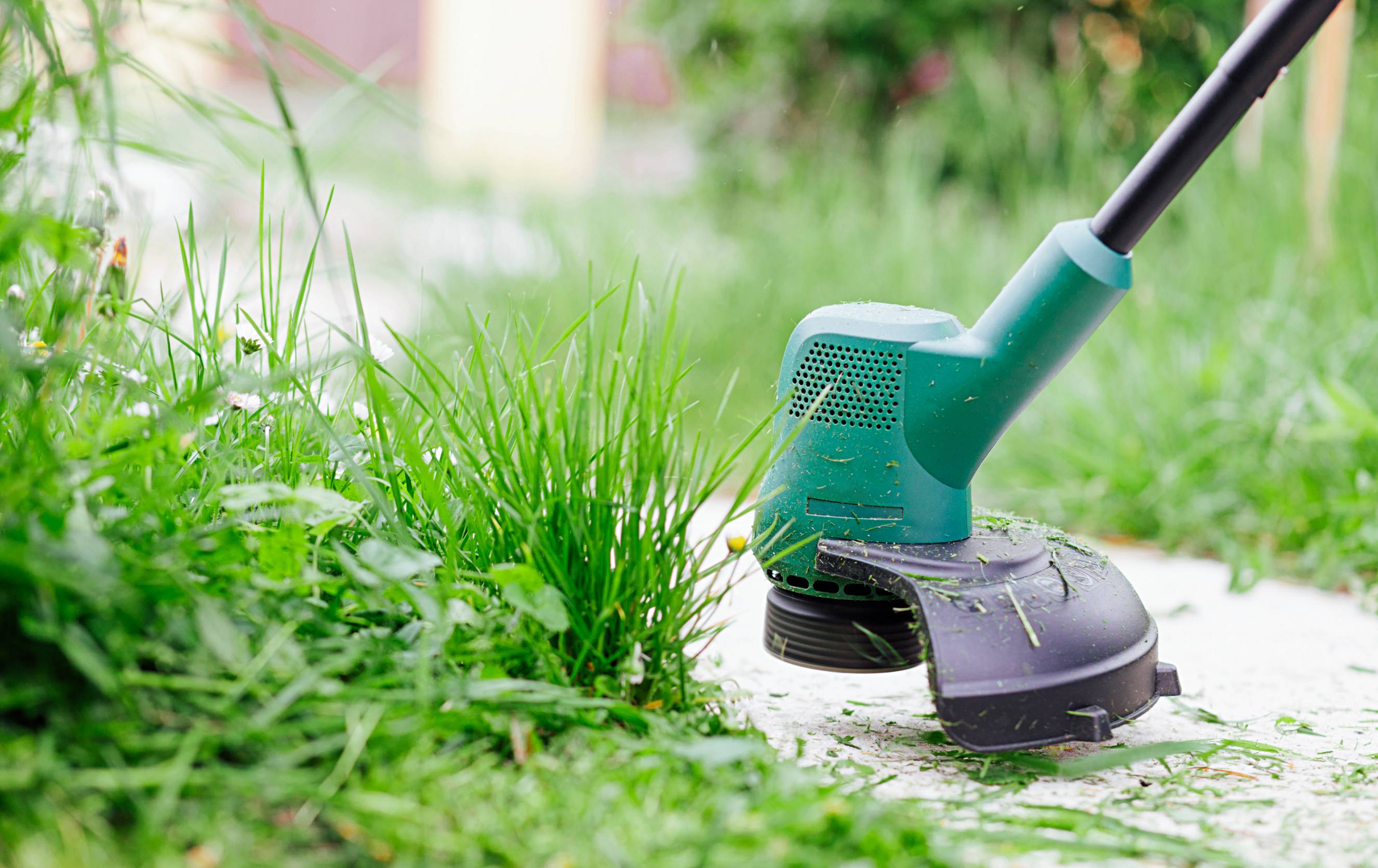
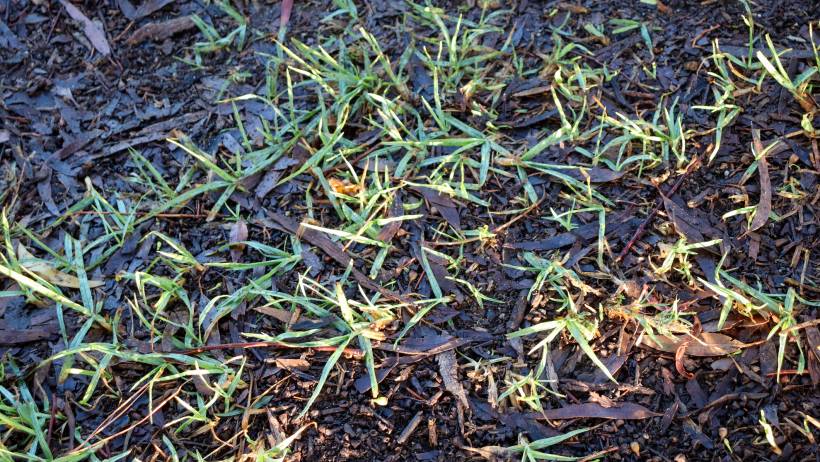 Identifying crabgrass early in your garden beds makes it much easier to remove. (Source: iStock)
Crabgrass is a fast-spreading annual weed that thrives in Australia's warm climate, producing seeds and taking root wherever your lawn is thin, bare, or compacted. It's often used as a catch-all term for a few closely related species.
Left alone, crabgrass outcompetes your lawn for water, nutrients, and sunlight, weakening it and leaving it more prone to disease. Its shallow, mat-forming roots don't anchor the soil properly either, which increases the risk of erosion, creates uneven patches underfoot, and stops air and water reaching the soil below.
How to identify crabgrass in your lawn
Early detection is crucial in managing crabgrass effectively. Here’s how to identify this troublesome weed:
Colour: A distinctive yellowish-green hue, contrasting with the healthy green of your lawn.
Texture: Leaves are coarse and rough to the touch.
Leaves: Hairy leaves on the stem.
Not sure how to weed your garden? Learn how to identify and pull out weeds through this guide!
Step-by-step guide to removing crabgrass
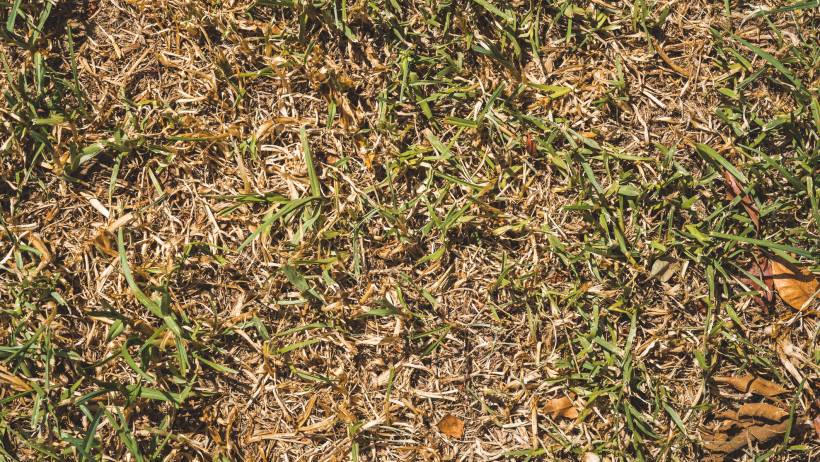 Extreme heat or lack of water can leave a lawn dormant. (Source: iStock)
 There’s no single fix for crabgrass. It takes a combination of physical removal and ongoing lawn care. Work through these steps for targeted treatment and crabgrass prevention.
Step 1: Hand-pull small infestations
For small patches, pulling crabgrass out by hand is often the quickest fix. Water the area first to loosen the soil, then pull up the entire plant, including the roots, to stop it regrowing from any remaining root fragments.
Step 2: Apply a selective herbicide
For larger infestations, a selective crabgrass killer is your best option. Look for products containing quinclorac, triclopyr, or DSMa--these target crabgrass and similar grassy weeds like summer grass and crowsfoot without harming most lawn types.
Always check the label against your grass species first, as some selective herbicides aren't safe on kikuyu, buffalo, or Queensland blue couch.
Step 3: Mow and water strategically
Mow regularly and keep your grass at its recommended height: taller grass shades the soil, making it harder for crabgrass seeds to germinate.
Water deeply once a week rather than lightly every day, as deep watering builds stronger root systems in your lawn while giving crabgrass less of an edge. Skip fertilising in summer, since the nitrogen boost favours crabgrass growth over your existing turf or grass.
Step 4: Overseed bare patches
A thick, healthy lawn is one of the best long-term defences against crabgrass taking hold again. Bare or thin patches are prime real estate for crabgrass seeds. Reseed these areas as soon as you spot them, and keep them consistently moist while new grass establishes.
How to prevent crabgrass from returning
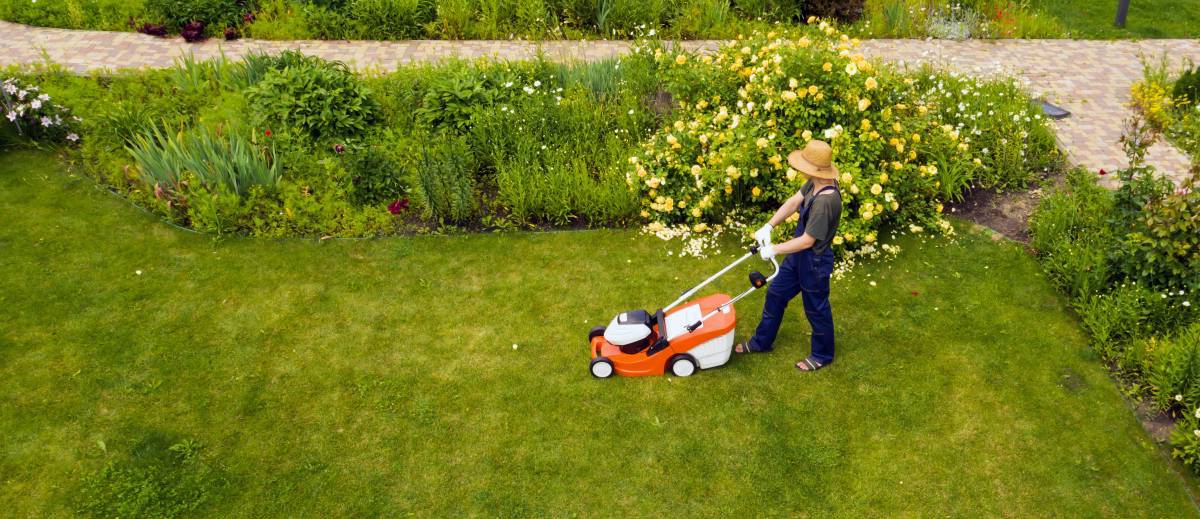
 Investing in professional lawn care and maintenance results in a beautiful lawn and landscape. (Source: iStock)
A healthy, dense lawn is the best long-term crabgrass control. You need regular garden maintenance to keep it from coming back. Here are some tips:
Mow at the right height and frequency for your grass type
Water deeply once a week instead of light daily watering
Avoid fertilising over summer, when crabgrass grows fastest
Reseed bare patches as soon as they appear
Rinse mower and gardening equipment between jobs to avoid spreading seed
Find out how much it costs to get a lawn care specialist to maintain your lawn.
Best crabgrass killers available in Australia
A few product types cover most crabgrass problems in Australian lawns:
Selective herbicides (DSMA-based): Look for products like David Grays Crab Grass and Clover Killer since they target crabgrass, summer grass, and paspalum. However, it may be toxic to other lawns like buffalo and Queensland Blue Couch.
Pre-emergent herbicides: Apply this in early to mid-spring, before crabgrass germinates, to stop seeds sprouting in the first place.
Non-selective herbicides (glyphosate): This is effective for spot-treating isolated patches, but they'll kill your lawn grass too, so use with care and only where reseeding is planned.
Always follow label directions for application rate and timing, and avoid spraying on windy days to stop drift onto healthy lawn.
Say goodbye to a weedy lawn!
A lawn without prominent crabgrass is not only visually appealing, but it’s also healthier and more resilient. If crabgrass has spread across most of your lawn, or you're not confident identifying it correctly before you spray, it's worth bringing in a professional. A local lawn care Tasker can treat existing crabgrass, reseed bare patches, and set up an ongoing mowing schedule that keeps it from coming back.
Learn more about our contributors
Written by Chin S.
Staff Writer
Chin is a passionate hobbyist writer with a love for gardening, home improvement and beauty. She enjoys nurturing her small indoor plant collection, redecorating her space and exploring all things beauty. Through her writing, she shares her journey and tips for fellow enthusiasts.
FAQs on crabgrass removal
Selective herbicides containing quinclorac or DSMA target crabgrass specifically while leaving most desirable lawn grasses unharmed. Always check the label against your exact grass type, since some selective products can damage kikuyu, buffalo, or Queensland blue couch.
Not quite, though the terms are often used interchangeably in Australia. "Crabgrass" and "summer grass" both commonly refer to closely related Digitaria species, and some people also use "crabgrass" for crowsfoot grass, a different but similarly hard-to-control weed.
Crabgrass typically germinates once soil temperature reaches around 12–15°C at a 10 cm depth, usually from early to mid-spring through to late summer. This is also the best window to apply pre-emergent herbicide, since it needs to be down before the seeds sprout.
Yes, for small infestations. Water the area first to loosen the soil, then pull up the whole plant including the roots so it can't regrow. For larger or well-established infestations, a selective herbicide is generally more efficient than pulling weed by weed.
Find lawn care experts, fast
Find a lawn care expert