- Home/
- Comparisons/
- Bathroom Renovation/
- Polymarble vs Acrylic Shower Base
Polymarble vs acrylic shower base: Which one’s right for you?
Explore the pros, cons, and practical differences you should know first
Published on
Key Facts
A polymarble shower base is a heavier, resin-cast shower floor finished with a protective gel coat, offering a solid feel, lasting surface performance, and scope for tailored designs.
An acrylic shower base is a lightweight, moulded plastic shower floor designed for easy maintenance and installation, typically supplied in standard dimensions to suit conventional bathroom layouts.
Choosing tiles, tapware, and a shower screen can make a bathroom renovation feel exciting. But the shower base deserves just as much thought. It might not be the feature that catches your eye first, yet the right one can influence how your shower looks, feels, and holds up to everyday use. If you’re weighing up between a polymarble vs acrylic shower base, it’s worth looking beyond appearances.
The good news is it’s not a complicated decision. A closer look at the acrylic vs polymarble shower base dilemma can help you compare durability, maintenance, comfort, appearance, and practical considerations. With the basics sorted, this guide can help you choose a base that feels right for both your bathroom and your budget.
What is a polymarble shower base?
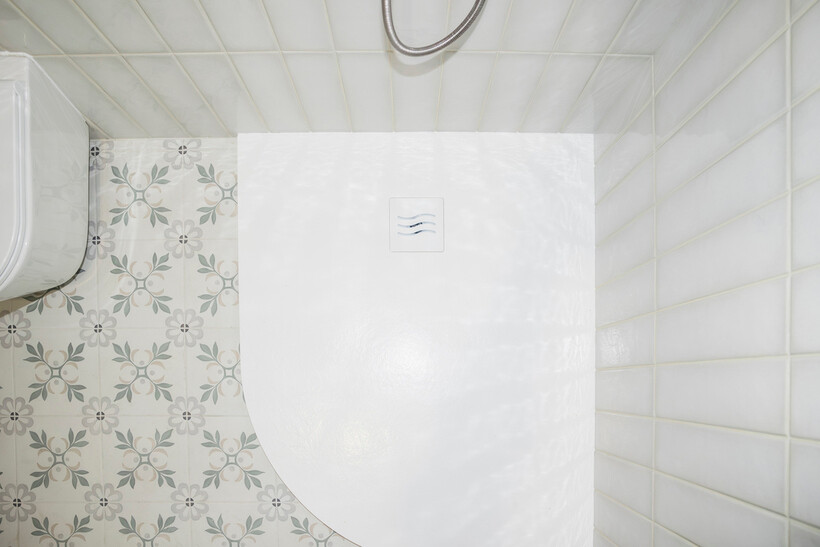
A polymarble shower base is a solid, moulded shower floor made from resin and finished with a hard gel-coat surface. The coating is typically around 2 mm thick and helps the base resist everyday scratching, staining, and exposure to common bathroom chemicals.
What is an acrylic shower base?
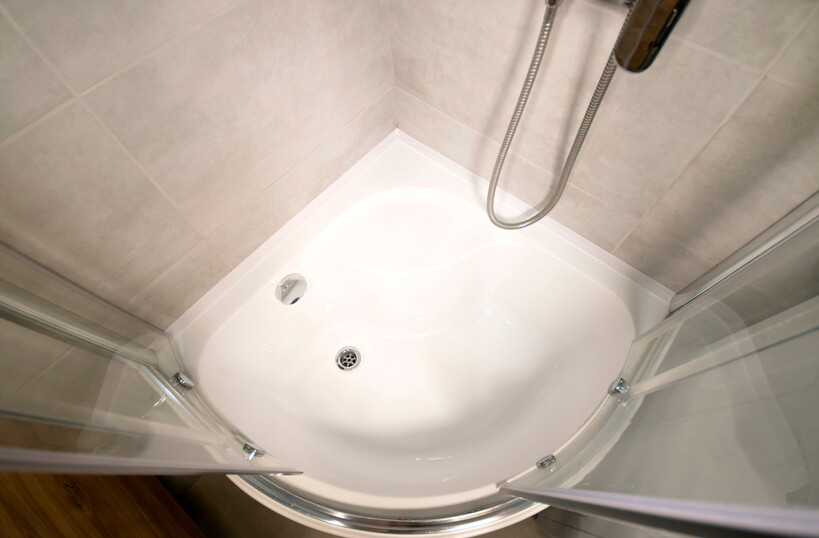
An acrylic shower base is a lightweight, thermoformed plastic shower floor designed for straightforward installation and everyday use. Its smooth surface is relatively easy to maintain, usually requiring little more than regular wiping with suitable bathroom cleaning products.
Acrylic vs polymarble shower base: What are their key differences?
Here’s the difference between polymarble and acrylic shower base options to help you weigh up which material better suits your bathroom and priorities:
In terms of durability
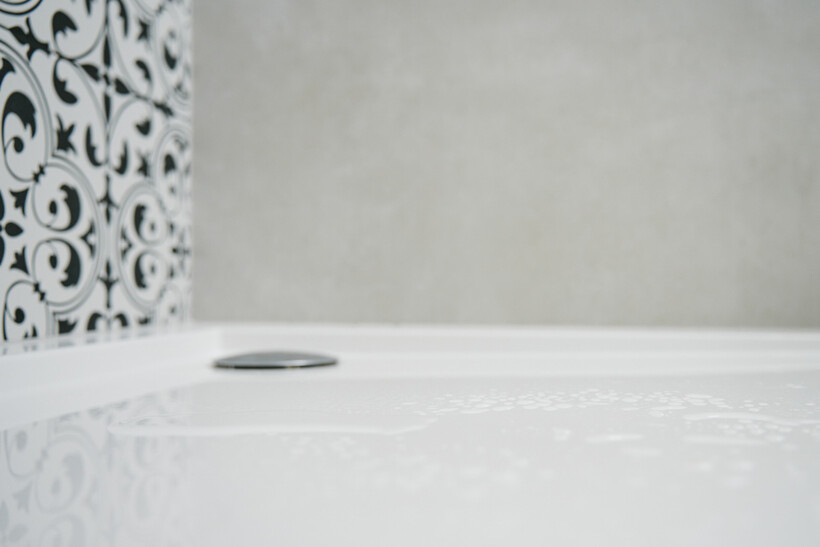
When durability is the deciding factor for a shower tray, polymarble is generally the stronger choice. Its solid resin construction and gel-coat surface give it a substantial feel, while the finished surface is well-suited to handling the daily demands of a busy shower.
Polymarble also holds up better than acrylic over time, although the scratch, stain, and chemical resistance of both materials depend on the specific product and its surface finish. That makes polymarble particularly appealing for a family bathroom where the shower is used frequently.
Acrylic isn’t necessarily fragile, though. A quality acrylic shower base can provide years of reliable service when it’s correctly supported and cared for. The difference is that polymarble offers greater resistance to the cosmetic wear that can accumulate over time. If long-term resilience matters more than keeping the initial purchase price low, polymarble has the edge.
In terms of cost
For homeowners working within a strict renovation budget, acrylic is usually the more affordable choice upfront. Its lighter construction and straightforward manufacturing process can make acrylic shower bases an attractive option when you need to keep material costs under control. That can be particularly useful when your budget also needs to cover a shower screen, plumbing, waterproofing, tiling, and other bathroom work.
Polymarble generally costs more because it’s a heavier, more substantial material, although the final project price will depend on the dimensions, specifications, drain arrangement, and installation requirements.
A cheaper base doesn’t represent better value if it’s unsuitable for the space or needs extra work to install correctly. Purchase price is only one part of the renovation budget. Installation requirements, waste configuration, floor preparation, and the surrounding work can all affect the final cost.
In terms of customisation
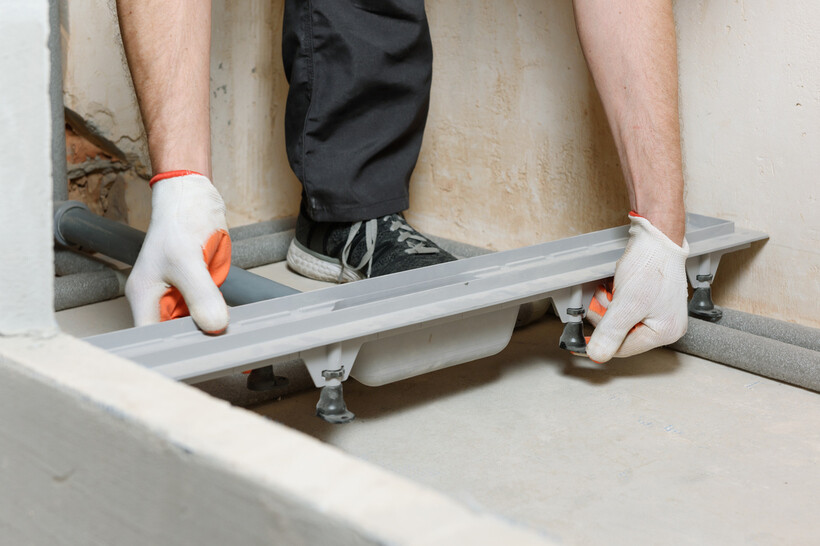
Polymarble has the advantage when bathroom design requires flexibility. Depending on the manufacturer and product range, polymarble bases can be produced in custom shapes and with drain positions tailored to the requirements of a particular shower area. This can make a significant difference when renovating an older bathroom, working around existing plumbing or designing an awkwardly shaped space.
Acrylic shower bases, by comparison, are commonly manufactured in set sizes and configurations, so your choices can be more limited. That doesn’t make acrylic unsuitable for renovation. In fact, standard dimensions can simplify ordering and installation when your bathroom already accommodates a conventional shower footprint.
The issue arises when the available space doesn’t neatly match the products on the page. In those situations, forcing a standard base into an unsuitable layout can create compromises elsewhere. If your bathroom has unusual dimensions, a non-standard drain location, or a design that needs a custom shower base, then polymarble gives you more room to work with.
In terms of maintenance and repair
For everyday maintenance, both materials are relatively easy to live with, provided the shower base is installed correctly and cleaned with suitable products. Acrylic has a smooth, non-porous surface that can be wiped clean without much effort, making it a convenient option for busy bathrooms. However, scratches or surface damage can become more noticeable over time, particularly if abrasive cleaners are used.
Polymarble also needs regular cleaning, but one of its benefits is that it can often be repaired. Depending on the extent of the damage and the product specifications, a polymarble surface with minor chips or surface damage can sometimes be sanded and refinished rather than replacing the entire base. That can extend its useful life and reduce the disruption associated with a shower base replacement.
In terms of weight and installation
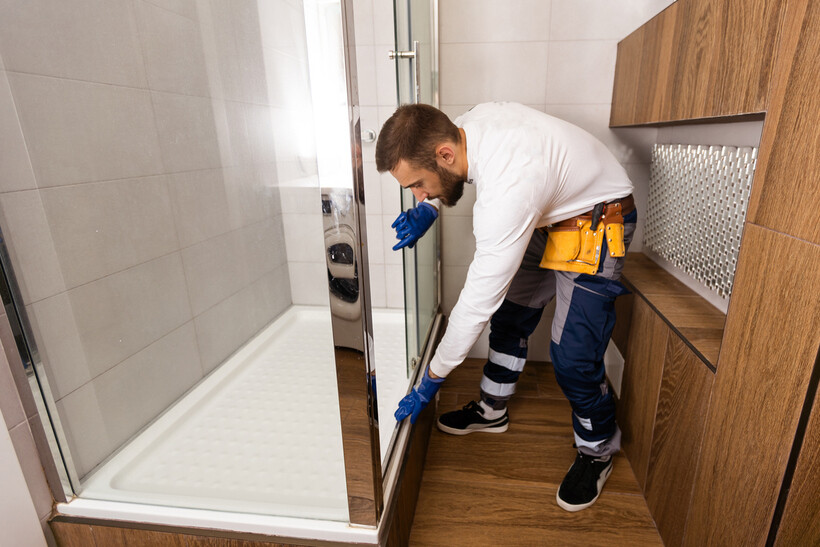
If manoeuvrability is the priority, acrylic is the easier material to handle. Its lightweight construction makes it simpler to carry, position, and manoeuvre, which can be especially helpful when access to the bathroom is tight or the shower is located in a difficult part of the home. Polymarble is considerably heavier, so moving it into position can require more planning and additional care.
However, weight should not be confused with installation quality. Both types of shower bases require proper support and should be installed according to the manufacturer’s specifications. Depending on the product and bathroom design, this can involve a suitable mortar bed or other approved support system to ensure the base is stable and adequately supported.
Once the base is in place, the enclosure is another important part of the finished shower. You might also invest in a shower screen that’s coordinated with the finished base and surrounding walls. If this is a hassle, you can opt for an all-in-one shower base and screen kit to save time and simplify bathroom remodelling.
Find the right balance for your bathroom
There isn’t a one-size-fits-all winner when comparing polymarble vs acrylic shower base options. Think about how you use your bathroom, the look you’re hoping to achieve and the practical demands of the space before settling on the material that best fits your needs.
After making your choice, take the pressure off by getting an experienced professional to handle the renovation work. Post a task on Airtasker, compare offers and reviews, and book a bathroom renovation specialist who can complete the job and give you greater confidence in the finished result.
Polymarble vs Acrylic Shower Base
Polymarble |
Acrylic |
|
|---|---|---|
Durability |
Generally more hard-wearing; better resistance to scratches, stains, and chemicals |
Reliable everyday performance when properly supported and maintained |
Cost |
Higher upfront cost; heavier and more substantial material |
More affordable upfront; suitable for budget-conscious renovations |
Customisation |
Greater flexibility for custom shapes and drain positions |
Mostly available in set sizes and configurations |
Maintenance and Repair |
Low maintenance; minor surface damage may be sanded and refinished |
Low maintenance; scratches can be more noticeable and may require repair |
Weight and Installation |
Heavier and requires more care when manoeuvring and positioning |
Lightweight and easier to carry and manoeuvre; still requires proper support |
FAQs on polymarble and acrylic shower bases
There’s no single best material for every bathroom, but acrylic and polymarble are both practical options for Australian homes. Acrylic is generally lighter and more budget-friendly, while polymarble is typically heavier and more rigid, so the better choice depends on your budget, bathroom layout, and installation requirements.
In Australia, the terms shower base and shower pan are often used to mean the same thing, but in local building and retail terminology, a shower base is a pre-formed, finished floor unit you stand on directly, while a shower pan is the hidden waterproof foundation built or installed to support tiles.
Common shower base sizes in Australia include 900 × 900 mm, 1000 × 1000 mm and 1200 × 900 mm, with other square and rectangular dimensions also available. Current Australian retail ranges show these sizes alongside options such as 820 × 820 mm and 1500 × 900 mm, so always check the exact product dimensions and waste position before ordering.
A shower base itself can range from around $150 to more than $1,000 in Australia, depending on its material, size and design, while installation and other bathroom work are additional costs. The total replacement price can rise if plumbing, waterproofing, floor preparation or surrounding surfaces also need work.
For easy entry and a streamlined layout, the best walk-in shower base options are usually low-profile or hobless. The base still needs an appropriate fall towards the waste and must be properly integrated with the surrounding waterproofing and wet-area construction.
Find bathroom renovators, fast
Post a task