- Home/
- Comparisons/
- Fruit Delivery/
- Blueberries vs Raspberries
Blueberries vs raspberries: Which is the best berry for you?
Learn how to differentiate these fruits beyond their colour and shape
Published on

Written by Angela A.
Staff Writer
Read more about our contributor
Key Facts
Blueberries are a type of berry known for their round shape and blue or purple colour.
Raspberries are a type of edible fruit famous for their distinctive reddish hue and clustered appearance.
Berries bring their own zest to the table, but telling them apart goes beyond just colour and shape. They actually differ in taste, kitchen uses, and nutritional content.
This article compares blueberries vs raspberries to help you choose the best option for baking, desserts, smoothies, and fresh fruit platters—whether you’re topping pavlovas, prepping school lunchboxes, or mixing up a summer salad. Let’s dive into the subtle distinctions that set each berry apart.
What are blueberries?
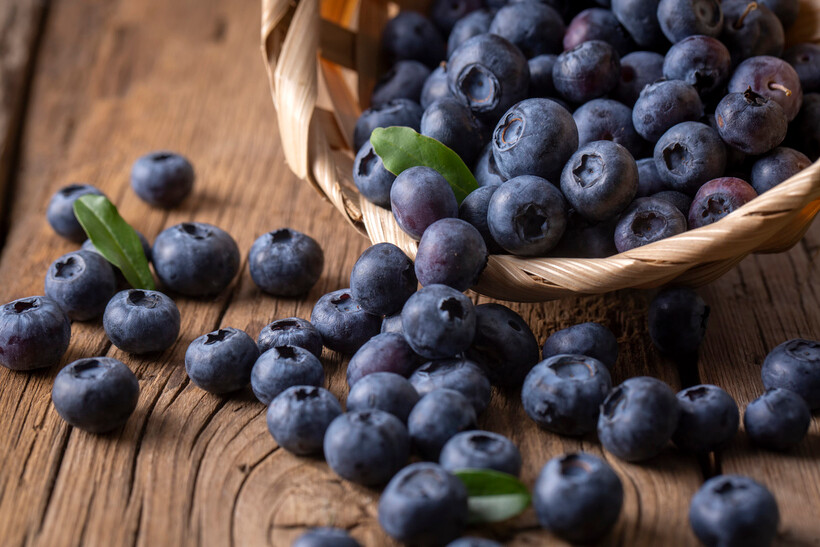 A basket of ripe blueberries (Source: iStock)
Blueberries are berries from the genus Vaccinium native to North America. There are multiple varieties scattered across the globe, but all are under the section Cyanococcus.
Cyanococcus literally means ‘blue spheres.’ Cyan refers to the berries’ bluish colour, while coccus means rounded or spherical in shape.
Aside from tasting sweet and appealing, blueberries are eaten for their antioxidants, vitamins, and minerals. They’re also low in calories, making them a healthy snack option.
What are raspberries?
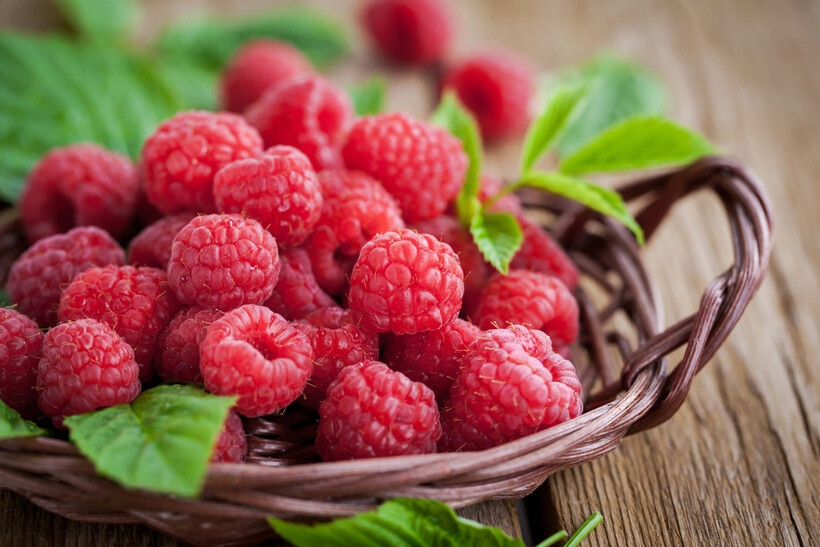 Vibrant, healthy red raspberries (Source: iStock)
Contrary to popular belief, raspberries are actually not ‘true’ berries scientifically—they’re ‘aggregate’ fruits, together with strawberries, which are also wrongfully classified as berries. Raspberries are clusters of small red fruits from the genus Rubus. Its varieties are native to both Europe and Northern Asia, but are also grown all over the world.
Bananas are actually berries! Why, you ask? Well, to be a berry, the fruit has to have three layers: the outer skin, the flesh in the middle, and the inner core that houses the seed. The fruit must also have at least two seeds.
Bananas, pomegranates, and even tomatoes all fit under this group.
Raspberries also have high nutritional content and have less sugar compared to other fruits. This makes them a staple in healthy dishes and desserts.
Raspberry vs blueberry: What are their key differences?
Now that we have names and categories out of the way, we can focus on what really matters to most people: the difference between raspberries and blueberries. Below, each section discusses how each looks, tastes, and more.
In terms of colour and texture
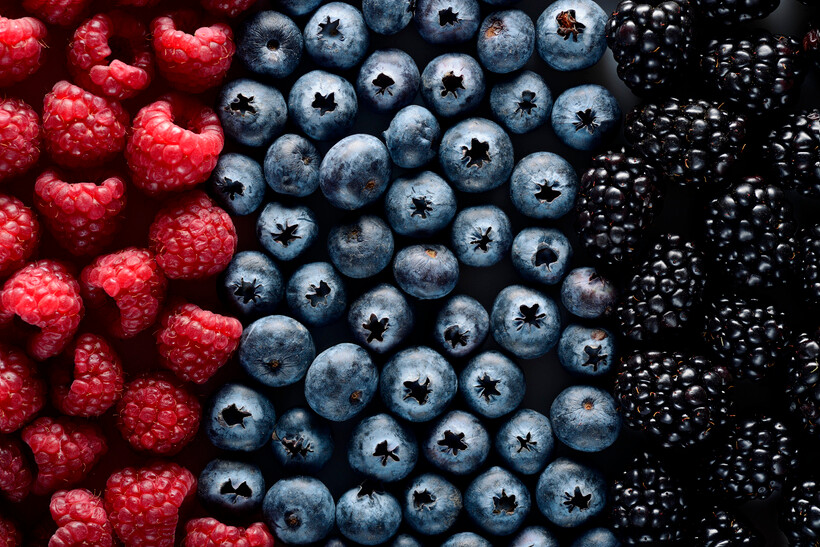 Comparing the textures of different berries (Source: iStock)
Blueberries and raspberries are pretty easy to sort out based on their looks. Blueberries have deep blue to purple skin with a bit of a whitish sheen that acts as their natural coating. The flesh ranges from pale green to light purple.
Raspberries, on the other hand, are bright red when ripe and deep red to light pink when not. There are also black varieties that go from deep purple to black and golden varieties coloured yellow to amber, but all are easily identified through their clustered appearance. Basically, they look like tiny fruits clumped together.
Texture-wise, blueberries are smooth and firm on the outside while juicy and tender on the inside. Their seeds are small enough that they’re barely noticeable when eaten. Meanwhile, raspberries are more fuzzy and the small fruits tend to crumble in your fingers. Their core is hollow, but the flesh is soft and juicy, too. There’s a bit of grainy texture due to the multiple small seeds they have.
In terms of taste and flavour
There are three things to consider when tasting a fruit: sweetness, tartness, and acidity.
Blueberries are generally sweet, and their tartness differs depending on ripeness. They’re mildly acidic, but this just balances the sweetness and makes them refreshing overall.
Meanwhile, raspberries have milder sweetness and a more pronounced tartness. They’re also more acidic, so you can expect a more tangy flavour from them. Red varieties are known for their more fruity profile.
In terms of nutritional value
Both blueberries and raspberries are powerhouses in terms of their nutritional content. They’re both low in calories, yet packed with essential vitamins and minerals. However, while they share some similarities, there are still key differences.
Blueberries are considered one of the healthiest berries you can find. Aside from having only 80 calories, they also have less than 1 gram of fat, 4 grams of fibre, and a gram of protein per serving. Not to mention that they provide vitamins A, C, and K and the mineral manganese. And if you’re wondering how many blueberries in a serving are we talking about—you actually need only one cup.
Blueberries’ benefits don’t end there. One study found that consuming wild blueberries consistently every morning can help lower blood pressure and improve memory. They also have one of the highest concentrations of antioxidants across both fruits and vegetables.
On the flip side, raspberries boast a lower calorie count of 64 per cup. They also have a lower sugar content of only 5 grams in the same serving, while blueberries contain 15 grams. Raspberries also contain B vitamins, omega-3 fatty acids, and potassium on top of the vitamin C, fibre, and manganese they share with blueberries.
All that, coupled with raspberries’ own set of antioxidants, they’re known for potentially helping regulate blood sugar levels, keep cells from ageing, prevent cardiovascular diseases, and more.
In terms of growing conditions
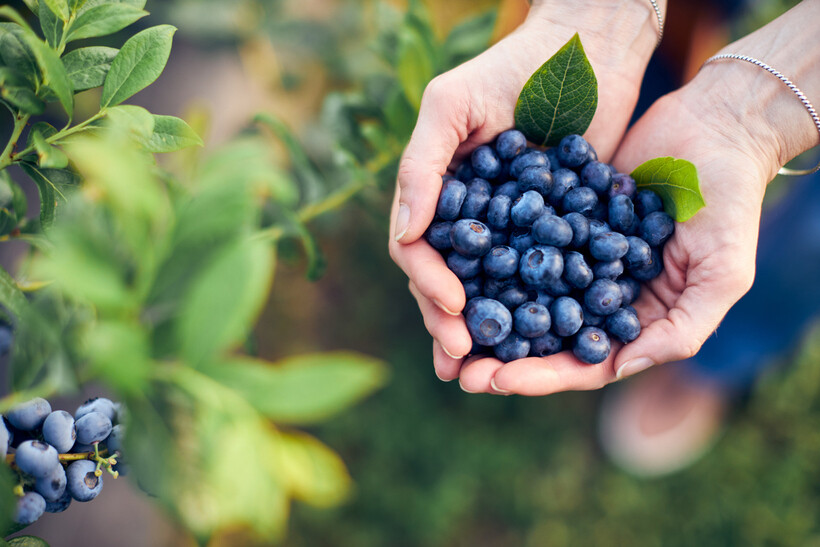 Picking fresh blueberries on an organic farm (Source: iStock)
Blueberries and raspberries’ growing needs can easily be divided into four factors: soil, sunlight, watering, and climate requirements.
Soil requirements: Blueberries prefer acidic soil with a pH of 4.5 to 5.5. Do raspberries like acidic soil? They do, but only slightly, and they also need neutral soil with a pH between 5.5 and 6.5. Both require well-drained soil that’s rich in organic matter. In fact, a study suggests that blueberries grown from organic culture may have higher levels of antioxidants and other nutrients.
Sunlight: Blueberries need full sun for optimal growth and fruit production. Raspberries can tolerate partial shade. Both of them greatly benefit from 6-8 hours of direct sunlight every day.
Watering: Both blueberries and raspberries benefit from mulching to retain soil moisture and regulate temperature. Blueberries are susceptible to waterlogging, so extra care should be taken when watering. Meanwhile, raspberries need consistent moisture, especially during fruiting season.
Climate: Blueberries and raspberries thrive in temperate climates, but the former has cold-hardy varieties that can withstand even freezing environments. Blueberries also need to be chilled (anywhere below 7°C) for optimal fruiting.
Raspberries can also tolerate cooler climates. In fact, they’re sensitive to extreme heat, which is why they can benefit from shade.
All in all, both fruits are best planted in early spring or late autumn. Blueberries need spacing of 1.2 to 1.5 metres between bushes to allow proper growth and air circulation. However, growing raspberries in pots is feasible as long as they’re transplanted into a wider area before fruiting. Raspberries, on the other hand, require 2.5 to 3 metres of space between rows for ample growth.
In terms of culinary uses
 Freshly baked pastries with raspberries and blueberries (Source: iStock)
Whether you’re a professional pastry chef or a DIY cook, you know that blueberries and raspberries are typically used in baked goods, desserts, and sauces. Both fruits are used in muffins, pies, and scones, but it’s more common to see blueberries in pancakes and waffles. They’re even more popular in cakes served on special occasions like weddings.
Among desserts, both fruits are added to ice creams, tarts, parfaits, sorbets, and yoghurt. They can also be made into jams, jellies, and preserves. When it comes to beverages, you’d also find blueberries and raspberries used in smoothies, cocktails, and juices.
For seasonal treats, both fresh blueberries and raspberries can be paired with roasted butternut or Kent pumpkin chunks. Or you can add them to fruit and green salads for refreshing yet healthy snacks.
In terms of cost and availability
Blueberries and raspberries are commonly available in North America and Europe, but they can also be grown in temperate regions such as Australia. They’re available year-round in supermarkets and farmers’ markets but have different peak seasons. When are blueberries in season? Blueberries peak from October to February, while raspberries peak from November to April.
When it comes to their price tags, both are in the same ballpark. Blueberries range from $5 to $9 AUD per 250g pack, while raspberries can range from $3.50 to $8 for the same size. Per kilo, blueberries cost $11 to $44.50, while raspberries cost $14 to $48.
Stock up on fresh blueberries and raspberries with Airtasker
Both blueberries and raspberries can level up your dishes and make your desserts even sweeter. So, if you’re planning to whip up a healthy breakfast or top your pastries with fresh fruits, they should be your go-to.
However, if finding organic food gives you a headache, we’re glad to offer you an alternative solution. Just by posting a task on the Airtasker platform, you can find experts in sourcing fruits and delivering fresh food. Get your blueberries and raspberries at your doorstep with just a few taps!
Learn more about our contributors
Written by Angela A.
Staff Writer
Angela Apolonio is an experienced writer with a Biology background. She writes about home tips, car upkeep, gardening hacks, and food facts, bringing a unique blend of science and practicality to her work. As a wife and a mother, she knows the value of iron-clad routines, so she's passionate about sharing what works for her with everyone else. She loves making everyday life simpler and helping readers find fresh ideas to bring more joy into their spaces.
Blueberries vs Raspberries
Blueberries |
Raspberries |
|
|---|---|---|
Colour and Texture |
Deep blue to purple, smooth and firm |
Bright to deep red, some varieties are black or yellow, feels fuzzy and are clustered |
Taste and Flavour |
Sweet with mild tartness and acidity |
Mildly sweet, pronounced tartness, more acidic |
Nutritional Value |
Low in calories, high in vitamins A, C, K, and antioxidants |
Low in calories and sugar, rich in vitamin C, B vitamins, and antioxidants |
Growing Conditions |
Needs acidic soil, full sunlight, well-drained soil |
Prefers slightly acidic to neutral soil, partial shade, consistent moisture |
Culinary Uses |
Used in desserts, baked goods, smoothies, and salads |
Used in desserts, sauces, smoothies, jams, and salads |
Cost and Availability |
Available year-round but with peak season variations, similar price range with raspberries |
Available year-round but with peak season variations, similar price range with blueberries |
FAQs on blueberries and raspberries
Regularly eating blueberries may improve your health due to their antioxidants, vitamins, and mineral content. Research suggests they can support heart, brain, and digestive health, as well as help protect cells from damage. However, as with any food, moderation and variety in your diet are important.
Both blueberries and raspberries are extremely healthy. However, if you’re particular about your sugar intake, it’s worth noting that raspberries have fewer calories and lower sugar content.
Although blueberries are available in markets throughout the year, it’s generally best to buy them during peak season, which lasts from October to February in Australia. This way, you’re more likely to get fresh and ripe variants at their best quality and price.
Find fruit delivery taskers, fast
Post a task
Related articles
Ube vs taro: Which should you get?
Read more