- Home/
- Comparisons/
- Grocery Delivery/
- Instant Coffee vs. Ground Coffee
Instant coffee vs. ground coffee: Which should you pick?
Comparing instant and ground coffee based on flavor profile, customization, and more
Last Updated on

Written by Ana K.
Contributor
Read more about our contributor
Key Facts
- Instant coffee is a powdered or crystallized extract made from coffee concentrate. One can make a cup of instant coffee by simply dissolving it in water.
- Ground coffee is made from roasted coffee beans that have been ground into coarse granules. One typically uses a coffee maker or similar equipment to prepare a drink with ground coffee.
Data from the National Coffee Association suggests that it’s the norm in the US to drink coffee daily. In fact, the association’s 2024 survey showed that two-thirds of Americans had a caffeinated drink—whether it was made of instant coffee vs. ground coffee—the previous day.
Some are not fussy regarding the type of coffee they consume, while others are more discerning. If you would like to cultivate your coffee knowledge and see which option is more to your taste, reading this guide is the perfect way to start your journey.
What is instant coffee?
 Spoon filled with instant coffee granules held above a small pile on a dark surface (Source: iStock)
Instant coffee refers to a water-soluble product made from coffee beans. One can make a drink from instant coffee by simply dissolving it in water. The history of instant coffee is said to date back to 18th-century Britain.
How is instant coffee manufactured? Producing it involves dehydrating a coffee bean concentrate and turning it into fine powder or granules.
What is ground coffee?
 Ground coffee in a wooden spoon with roasted coffee beans on a wooden board (Source: iStock)
Is ground coffee instant coffee? Ground coffee is a product made by washing, roasting, and pulverising coffee beans. At the end of the process, its granules can range from very fine to coarse.
Is ground coffee instant? Making freshly brewed coffee grounds is more complicated, since it typically requires equipment. In several cases, one may also have to use a coffee filter, whose origin can be traced back to German housewife Melitta Bentz.
Ground coffee vs. instant coffee: Which is better for your needs?
Explained in detail below are the major differences between instant and ground coffee:
In terms of cost
 Barista holding a bag of coffee while checking supplies in a café (Source: iStock)
The types of coffee beans used to make instant and ground coffee point to one reason for the difference in their price ranges. The former usually comes from Arabica beans, while the latter is typically produced from the less pricey Robusta beans.
In the US, a 12-ounce bag of ground coffee usually costs between $4 and $23. The cost of regular instant coffee also starts around $4 but typically does not exceed $14 for a 12-ounce jar.
In terms of preparation
 Barista making drip coffee using a pour-over kettle and dripper (Source: iStock)
Instant and ground coffee do not share the same brewing process. Making a drink from instant coffee is as easy as adding coffee crystals to hot water and stirring.
Meanwhile, brewing coffee using fresh coffee grounds is an experience in itself. Whether you’re using a French press, a moka pot, a drip coffee maker, or another piece of equipment, the process will require water and, in some instances, a coffee filter.
In terms of flavor profile
 Hot foamy coffee served in a cup with steam rising (Source: iStock)
When it comes to taste and aroma, instant coffee (vs. coffee grounds) is less complex. Made using Robusta beans, instant coffee also tends to be much more bitter and somewhat tart. On the other hand, roasted Arabica coffee beans give ground coffee its smooth taste and aroma.
In terms of customization
 Woman making coffee and stirring it in a mug on a kitchen counter (Source: iStock)
Another difference between instant coffee and ground coffee is the degree of customization that you can have with them. When brewing a drink with instant coffee, the main thing you can customize to your taste is the ratio of coffee extract to water.
Meanwhile, aside from the coffee-to-water ratio, you can choose a specific brewing technique and tools to create a ground coffee brew that suits your taste. Moreover, a wide variety of ground coffee roasts (light, medium, and dark) and granule sizes (from extra fine to coarse) means there are more ways to personalize a cup of coffee.
In terms of nutritional content
 Stethoscope lying among roasted coffee beans on a wooden surface (Source: iStock)
Is drinking instant coffee bad for you? Coffee, in general, has been proven to make one live longer, have a healthier liver, and enjoy better mental health. The amount of caffeine in instant coffee is slightly lower than that of ground coffee. This means it’s a better choice for those with caffeine sensitivities.
One study also showed that, compared to other types of brewed coffee, it has higher levels of phenols, which have antioxidant properties. However, it has more acrylamide, which is known to increase one’s cancer risk. But do know that the amount of acrylamide one could consume from instant coffee should not cause too much worry.
In terms of shelf life
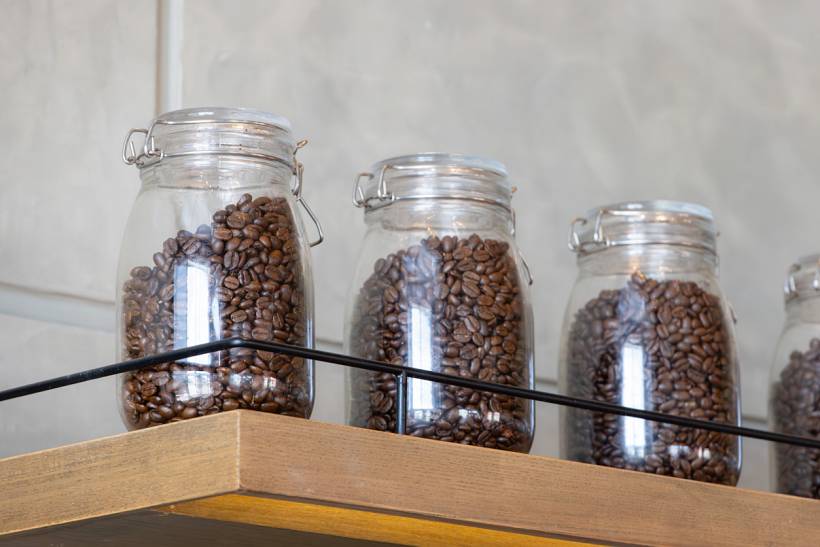 Row of glass jars containing roasted coffee beans (Source: iStock)
Does instant coffee go bad? The short answer is yes, but it will take two to 20 years before properly stored instant coffee becomes unsuitable for consumption.
Ground coffee, if left sealed in its original packaging, is safe to use until its best-before date. However, once opened, it will only remain fresh for up to two weeks.
In terms of eco-friendliness
 Brewed coffee served beside fresh coffee cherries and leaves (Source: iStock)
There are opposing beliefs regarding which type of coffee has the most environmental impact. In a 2023 study, it was found that carbon dioxide emissions from instant coffee are five times higher than those from ground coffee. However, coffee filters—used mostly when brewing ground coffee—also generate a significant amount of greenhouse gases.
Have coffee and other groceries delivered through Airtasker
Are you craving some coffee from Starbucks but do not have the time to stop by a store? Let Airtasker’s coffee delivery service providers bring your favorite instant or ground coffee right to your doorstep. You can also request other grocery items to be delivered to you to make the trip worthwhile.
You can do so by visiting the Airtaster website, posting a task with all the relevant details, and connecting with the service provider of your choice.
Learn more about our contributors
Written by Ana K.
Contributor
Ana always puts a premium on accuracy, clarity, and style when writing—a practice that her English degree has instilled in her. She excels at covering topics related to pet care, home and interior design, and food, which count among her varied interests. She also enjoys nature and street photography, as well as travelling. Overall, Ana uses her love for research to engage Airtasker readers with fun, practical content.
Instant coffee vs. ground coffee
| Instant Coffee |
Ground Coffee |
|
|---|---|---|
Cost |
Usually more affordable |
Typically costs more |
Preparation |
Very straightforward |
May be complicated, depending on one’s chosen process |
Flavor Profile |
Can be bitter with sour notes |
More complex and smooth |
Customization |
Has limited customization potential |
Can be personalized in several ways |
Nutritional Content |
Rich in antioxidants and has lower caffeine content |
Also rich in antioxidants and usually has a higher caffeine content |
Shelf Life |
Can last from two to 20 years |
Best used within two weeks once opened |
Eco-friendliness |
Produces more carbon dioxide than ground coffee; can be eco-friendly, depending on factors like packaging and energy use |
Typically requires coffee filters, which generate high levels of greenhouse gases; eco-friendliness also depends on several factors |
FAQs on instant vs. ground coffee
In the ever-expanding coffee market, there are various instant coffee products that rival the taste of ground coffee. In fact, several brands have created carefully concocted instant coffee varieties with premium flavors for those with discerning tastes.
Instant and ground coffee typically have a similar effect on people trying to lose weight, thanks to their bioactive compounds. One study showed that they can help with weight loss when combined with regular exercise and a well-balanced diet.
A water temperature between 190°F and 205°F is ideal for instant coffee since anything hotter can make your drink too bitter. The same water temperature range is also ideal when brewing ground coffee to avoid under extraction (if too cold) or a loss in flavor (if too hot).
Using ground coffee as instant coffee is generally not recommended since the presence of sediments and the possibly unpalatable flavor can make the drinking experience less than ideal.
Find grocery delivery, fast
Post a task
Related articles