- Home/
- Comparisons/
- Grocery Delivery/
- Hojicha vs. Matcha
Hojicha vs. matcha: Which should you get?
Comparing hojicha and matcha based on processing level, flavor profile, and more
Last Updated on

Written by Ana K.
Contributor
Read more about our contributor
Key Facts
Hojicha is a Japanese tea made from roasted green tea leaves. It is brown in color and produces a smoky flavor and aroma.
Matcha is a Japanese green tea that is usually in powder form. This bright green drink has a grassy, slightly sweet, and vaguely bitter taste.
The popularity of the tea plant has led to the observation and celebration of different tea cultures around the world; the English love their Earl Grey and breakfast tea, India has chai as its national drink, and the Japanese have their own tea ceremonies.
But because tea consumption here in the US typically involves black tea, those who want to venture into the world of Japanese teas may need help learning which variety—hojicha vs. matcha, for instance—is more to their taste. This guide discusses these two types of green tea and highlights their similarities and differences.
What is hojicha?
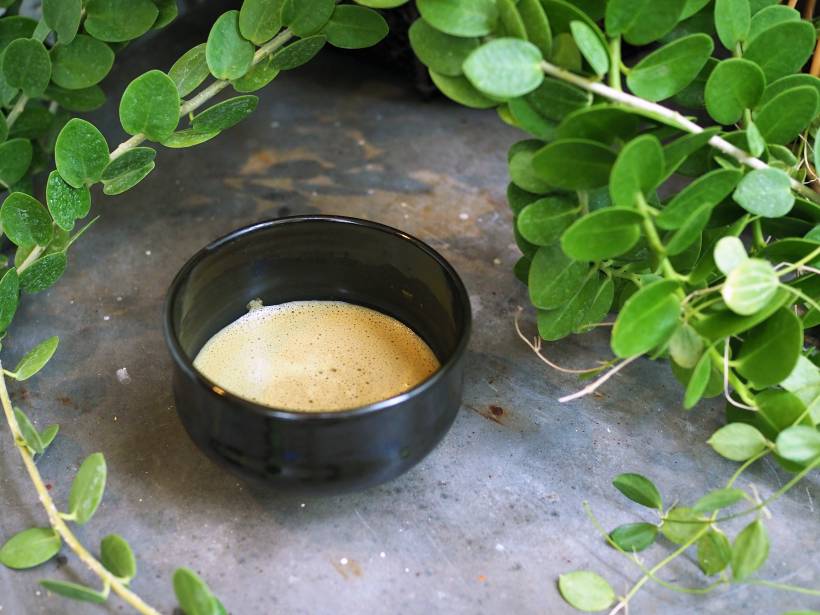 A warm bowl of comforting hojicha (Source: iStock)
Hojicha is a type of green tea that originated in Kyoto, Japan, in the 1920s. It is made by roasting dry bancha, sencha, or kukicha leaves. Because it is processed, the tea is brown, has a smoky taste and aroma, and is named after the Japanese words hoji (roast) and cha (tea). Hojicha is usually available as loose leaves, but it can also be found in powdered form.
What is matcha?
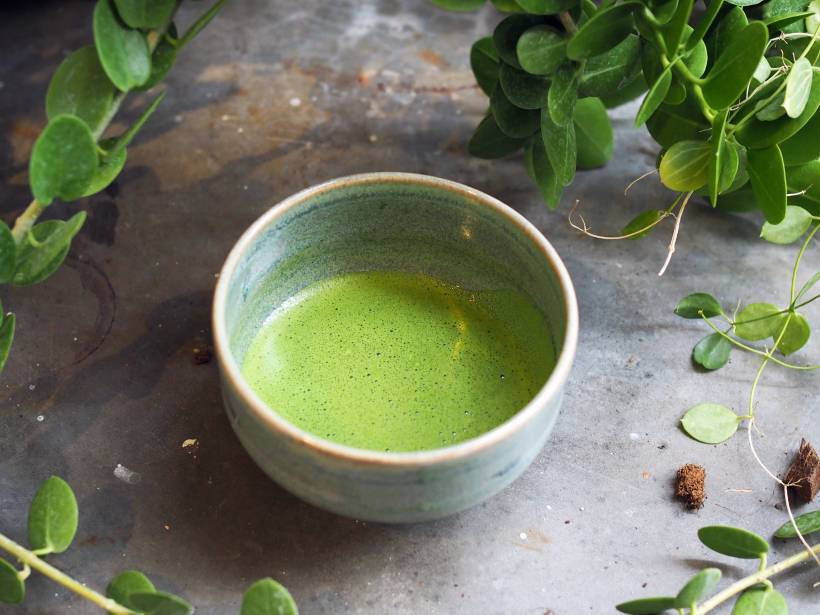 A bowl of freshly blended matcha (Source: iStock)
Matcha is another kind of green tea with a much longer history; its roots can be attributed to a Buddhist monk named Eisai in the 12th century, after he returned to Japan from a period of study in China. It got its name from the combination of the words matsu (to rub or to paint) and cha (tea). Usually, in the form of a bright green powder, matcha is known for its vegetal and umami flavors.
Matcha vs. hojicha: Which is better for your needs?
Here are some things that illustrate how matcha is different from hojicha:
In terms of processing level
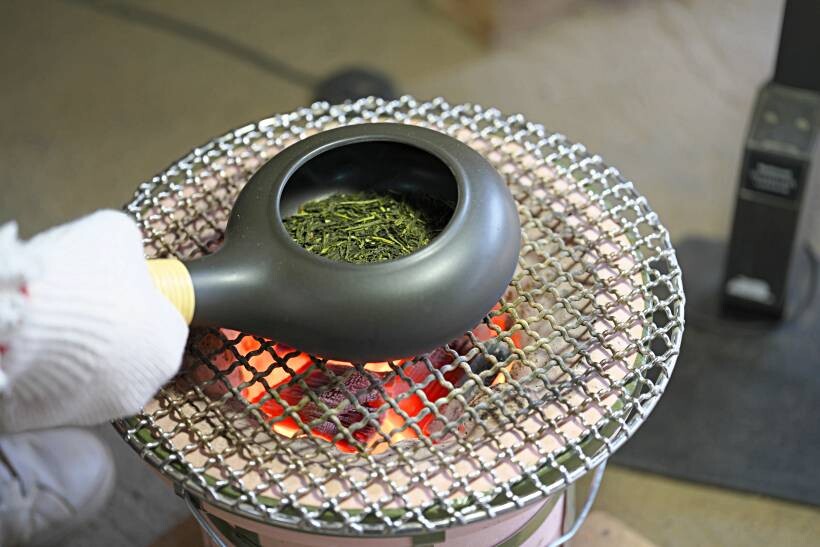 Roasting green tea leaves to create fragrant hojicha (Source: iStock)
Producing hojicha begins with steaming mature tea leaves. They are then rolled for a couple of hours, straightening their curly shape. Afterward, they are dried so they can be stored properly.
The steps above are repeated twice before the leaves can be roasted at 392°. Traditionally, a clay pot called a horoku is used to roast them, but some manufacturers use more advanced machines.
Meanwhile, creating the fine green powder that is matcha is more complicated. The process commences when the tea plants are grown under the shade of rice straw or bamboo mats.
After the tea leaves are picked, they undergo steaming, air drying, and de-stemming. But before they can be ground into powder, additional steps may be necessary—such as firing or blending—depending on the intended grade.
In terms of grade variety
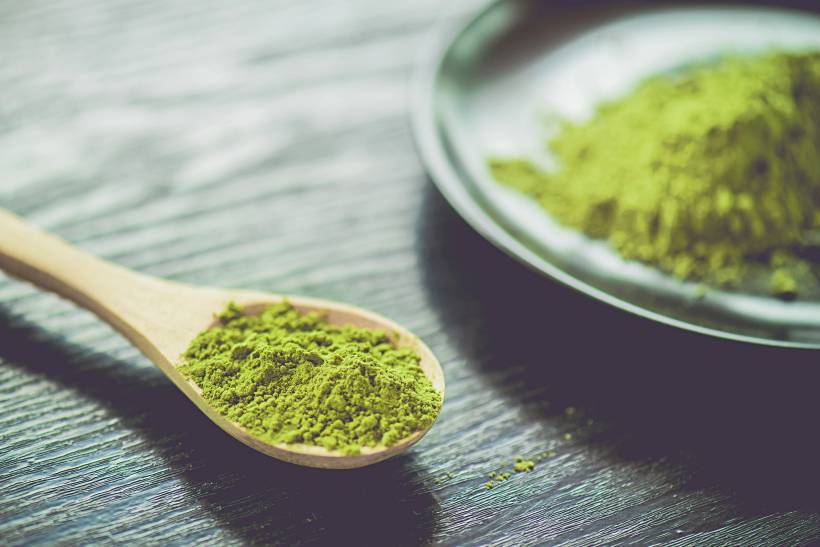 A spoonful of vibrant green matcha powder (Source: iStock)
Another key difference between hojicha and matcha involves their grading systems. Matcha has three standardized grades: ceremonial, culinary, and daily.
Ceremonial-grade matcha, which is of top-shelf quality, is mainly used for tea ceremonies. Due to its high chlorophyll levels, matcha of this grade tends to have a deeper color.
Culinary-grade matcha is used as an ingredient in various drinks and food recipes. It has five subgrades: premium, café, ingredient, classic, and kitchen.
Meanwhile, daily-grade matcha is the Goldilocks of matcha in terms of bitterness and sweetness. It is also called traditional- or premium-grade matcha.
Hojicha, on the other hand, does not follow a rigid grading system, though many are labeled “premium” to distinguish them from hojicha of lower quality.
In terms of cost
The price of green tea varies by grade, but matcha powder is typically more expensive than packaged hojicha. A 30-gram bag of matcha usually costs between $15 and $50. Meanwhile, you can buy a 60- or 90-gram bag of hojicha for the same price, sometimes even less.
In terms of preparation style
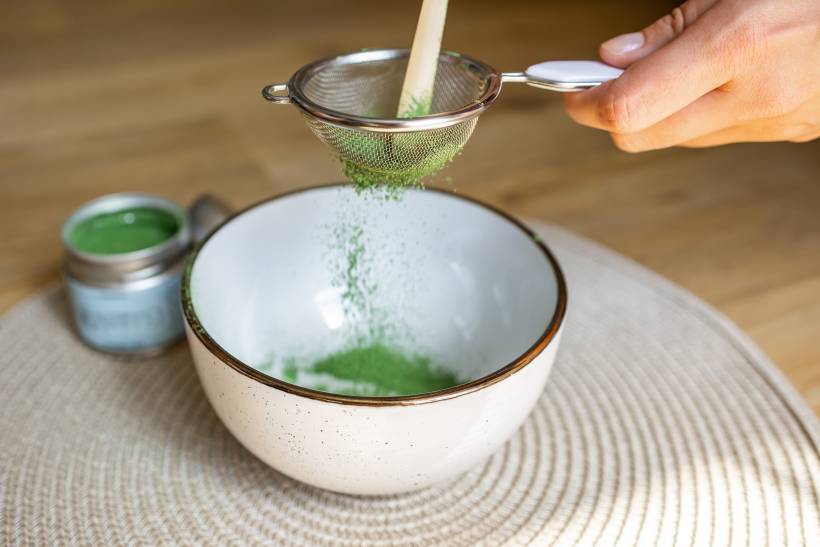 Sifting matcha powder to ensure a smooth, lump-free brew (Source: iStock)
Another hojicha and matcha difference is regarding how they are traditionally prepared.
Brewing hojicha involves adding tea leaves to a kyusu (a type of Japanese teapot) and then pouring hot water afterward. It only takes a minute or two for the flavor to seep in, and the tea is ready to drink. Note that there’s no need to stir the mixture during the process.
Making a traditional matcha drink, on the other hand, requires more steps and tools. This is true whether you want usucha (lighter type) or koicha (bolder type).
The first step is to place a small sieve on top of a chawan (tea bowl). Afterward, a chashaku (tea scoop) is used to add and sift matcha powder into the sieve. The next step is to pour a small amount of hot water into the bowl and mix it with the powder for a few seconds using a bamboo whisk. The person drinking the tea may add more water if desired.
In terms of flavor profile
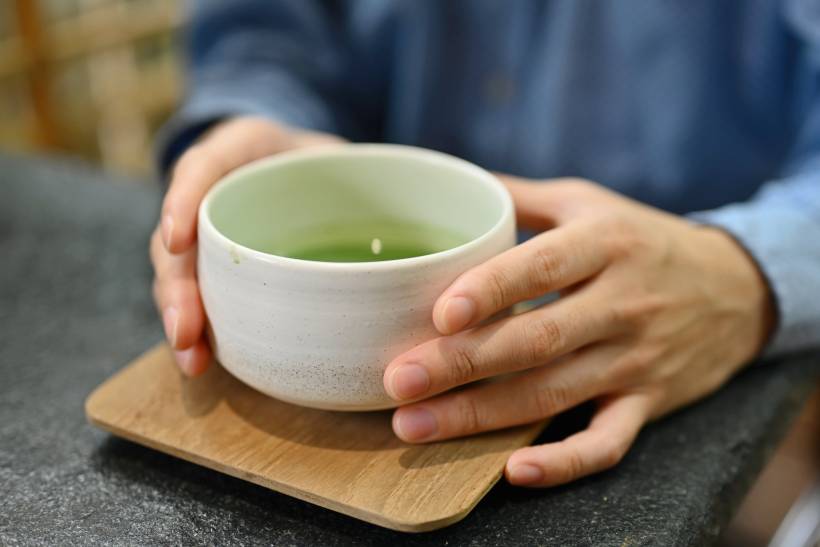 Savoring a cup of freshly brewed matcha (Source: iStock)
There are a few differences between hojicha vs. matcha taste-wise. The roasting process gives hojicha a smoky taste and aroma. There’s also a hint of sweetness similar to caramel and a slight bitterness like dark chocolate that can be found in this velvety tea.
Meanwhile, matcha’s taste and aroma are predominantly vegetal, just like grass. It is also nutty, slightly bitter, and rich in umami, a distinctly savory flavor. You know a matcha drink is well-prepared if it has a frothy texture.
In terms of nutritional content
If you’re unsure whether to choose hojicha vs. matcha health benefits-wise, do know that both green teas are rich in antioxidants, catechins, polyphenols, and amino acids. These lead to younger-looking skin, a stronger immune system, and lower stress levels.
However, there’s a difference between hojicha vs. matcha caffeine levels. The former has very low caffeine content, so it won’t alter your sleep schedule even if you consume it at night. Meanwhile, the latter is rich in the said stimulant, making it unsuitable for those with caffeine sensitivity.
In terms of versatility
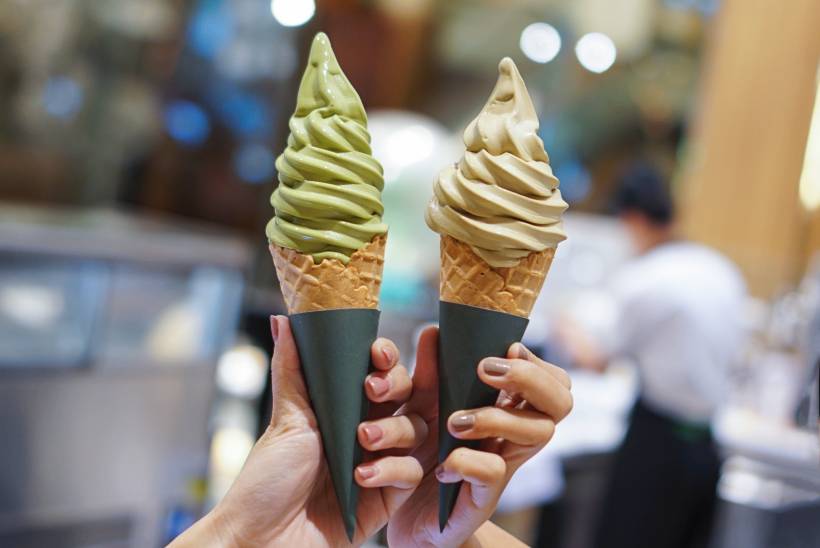 Creamy matcha and hojicha soft serve in waffle cones (Source: iStock)
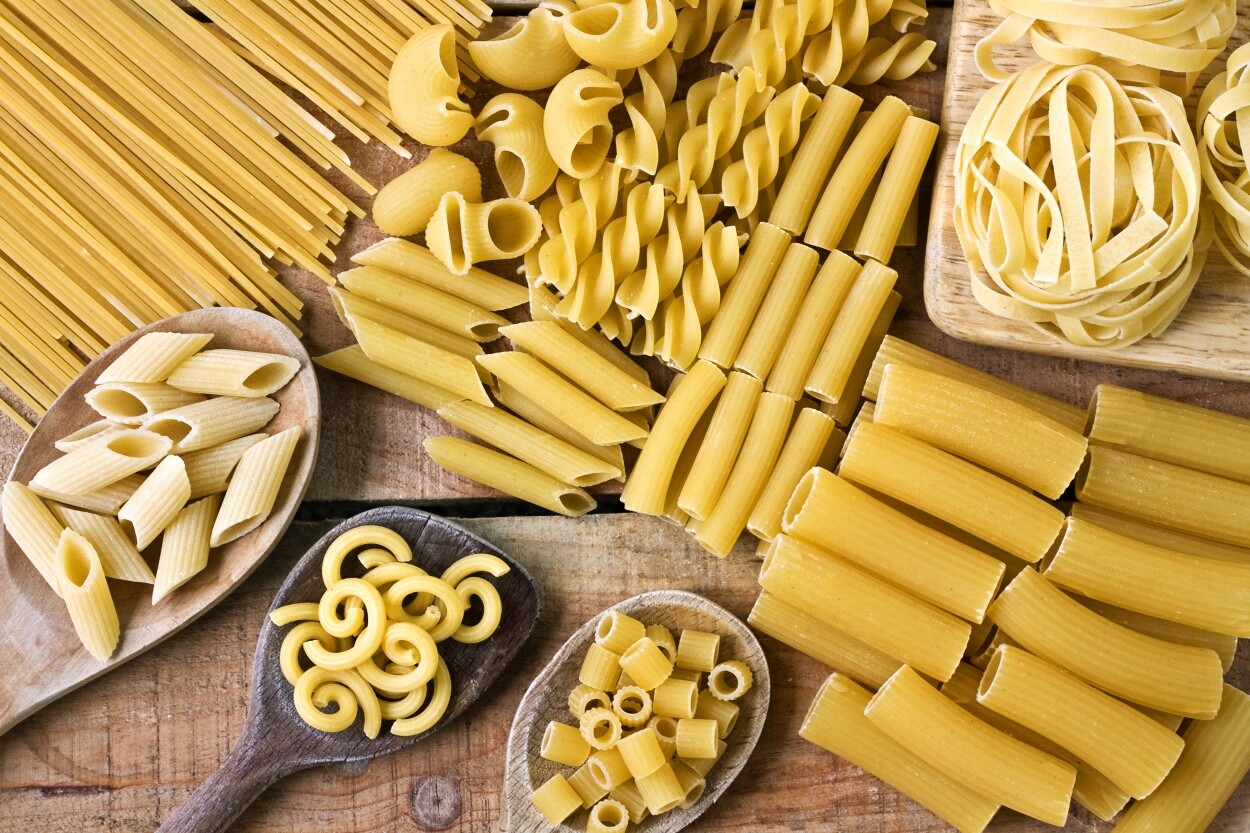
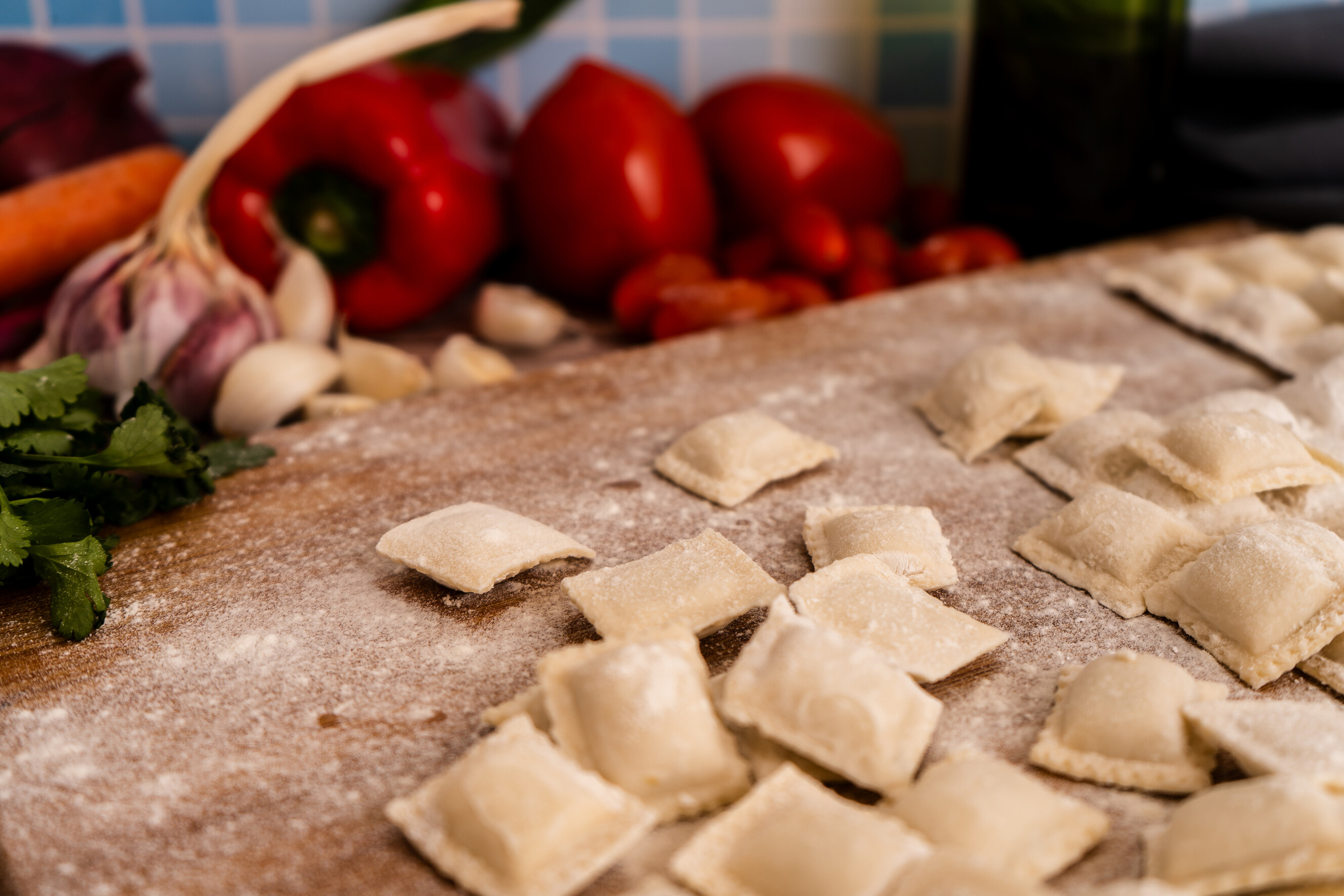
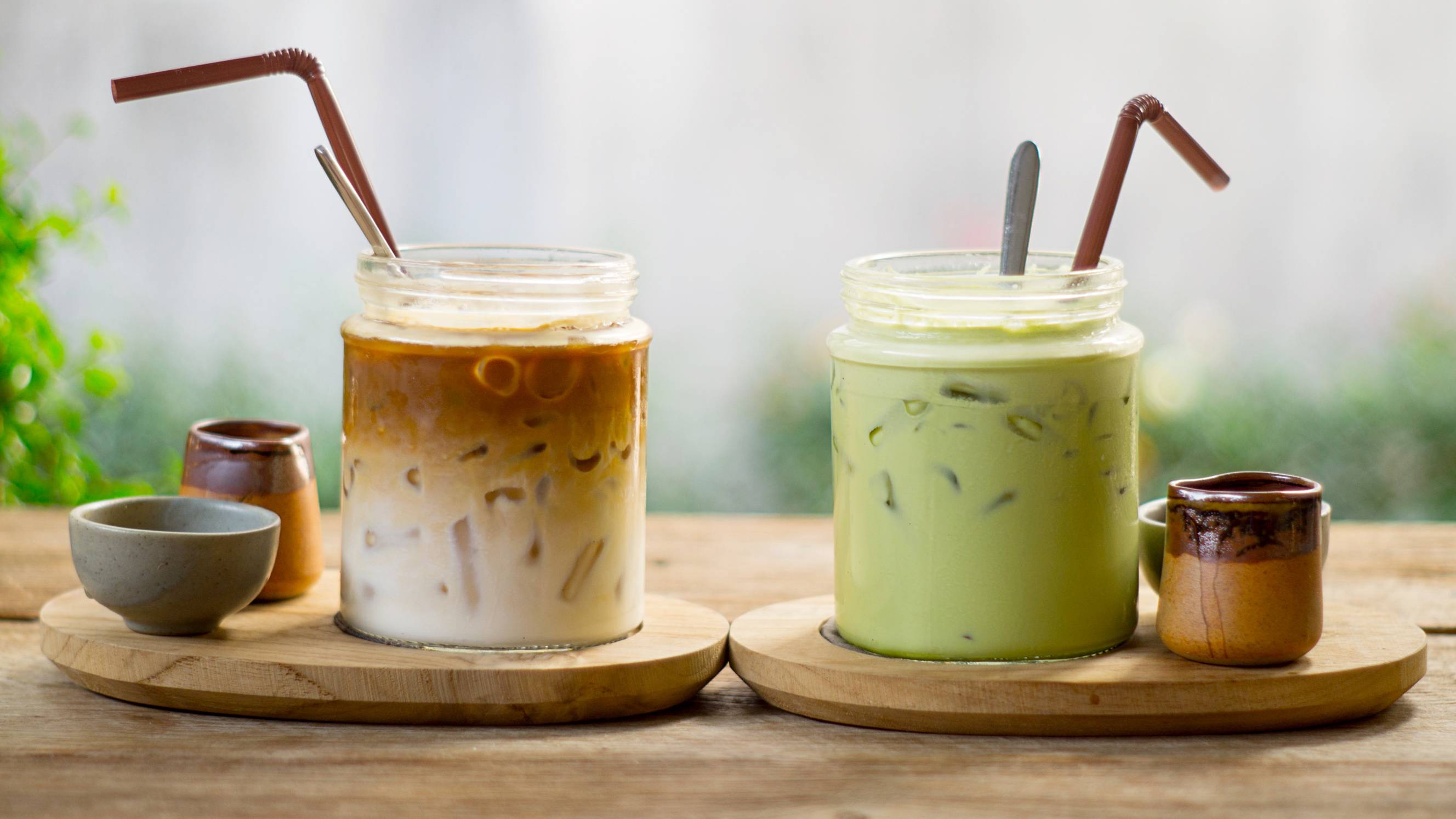
Either hojicha or matcha can be turned into other types of drinks; there’s hojicha latte, mojito mocktail, and macchiato, as well as matcha lemonade, smoothie, and soda. Moreover, both are used as ingredients for desserts and baked goods, including ice cream, cookies, and cake. Some may find it surprising, but they can also be used to make pasta.
Enjoy grocery delivery services with Airtasker
Want to make your own matcha or hojicha drinks and desserts? Airtasker’s grocery deliverers can scour the aisles of small supermarkets and popular grocery chains in the US, both regular ones and those specializing in products from other countries. They can help you get all the items you need, including other vegan- and vegetarian ingredients.
Start the process by going to the Airtasker website and posting a task with the relevant details, including the items you want to purchase, your address, and your budget.
Learn more about our contributors
Written by Ana K.
Contributor
Ana always puts a premium on accuracy, clarity, and style when writing—a practice that her English degree has instilled in her. She excels at covering topics related to pet care, home and interior design, and food, which count among her varied interests. She also enjoys nature and street photography, as well as travelling. Overall, Ana uses her love for research to engage Airtasker readers with fun, practical content.
Hojicha vs. matcha
Hojicha |
Matcha |
|
|---|---|---|
Processing Level |
Straightforward |
Complex |
Grade Variety |
Grading system is not rigidly defined and is typically either regular or premium |
Follows a strict grading system and has several varieties |
Cost |
Affordable |
Typically pricier |
Preparation Style |
Easy to prepare |
Brewing involves several steps and tools |
Flavor Profile |
Has a smoky flavor and aroma; texture is creamy |
Flavor can be described as umami; texture is frothy |
Nutritional Content |
Rich in antioxidants, catechins, polyphenols, and amino acids; has low caffeine content |
Also rich in the same nutrients; has high caffeine content |
Versatility |
Used as an ingredient to make a range of drinks, desserts, pastries, and meals |
Also has very varied uses |
FAQs on hojicha and matcha
Yes, both types of green tea come from Camelia sinensis, a type of evergreen shrub.
Yes, it is not taboo to combine hojicha and matcha, whether as a cold or hot drink.
It may not be the best idea to replace hojicha with matcha since, as discussed above, these Japanese green teas have distinct flavor profiles.
Both hojicha and matcha, when stored properly and left unopened, can be consumed within one to two years. Once their packaging is opened, they will remain fresh for around three months.
Find grocery delivery, fast
Post a task