- Home/
- Comparisons/
- Fresh Food Delivery/
- Butternut Squash vs. Pumpkin
Butternut squash vs. pumpkin: What’s the difference?
Comparing butternut squash and pumpkin based on appearance, taste, and more
Last Updated on

Written by Milafel D.
Contributor
Read more about our contributor
Key Facts
Butternut squashes are a winter squash variety well-known for their long neck, bulbous ends, and yellow skin with bright-orange flesh. They typically grow year-round but mostly peak in the fall.
Pumpkins are winter squashes that reach their full maturity during fall, particularly from October through November. They are a popular ingredient for purees and pies because they help enhance flavor.
Grocery shopping is easy when an expert does it for you, but what if it is you walking down the aisle? Can you spot the differences between pumpkins and butternut squashes? Can you even say confidently whether they are fruits or vegetables?
If you answer no to both questions, this butternut squash vs. pumpkin guide is for you. It compares two of the most well-known winter squashes in terms of appearance, nutritional value, and more. All these details can be helpful when planning meals with a health and wellness specialist.
What is butternut squash?
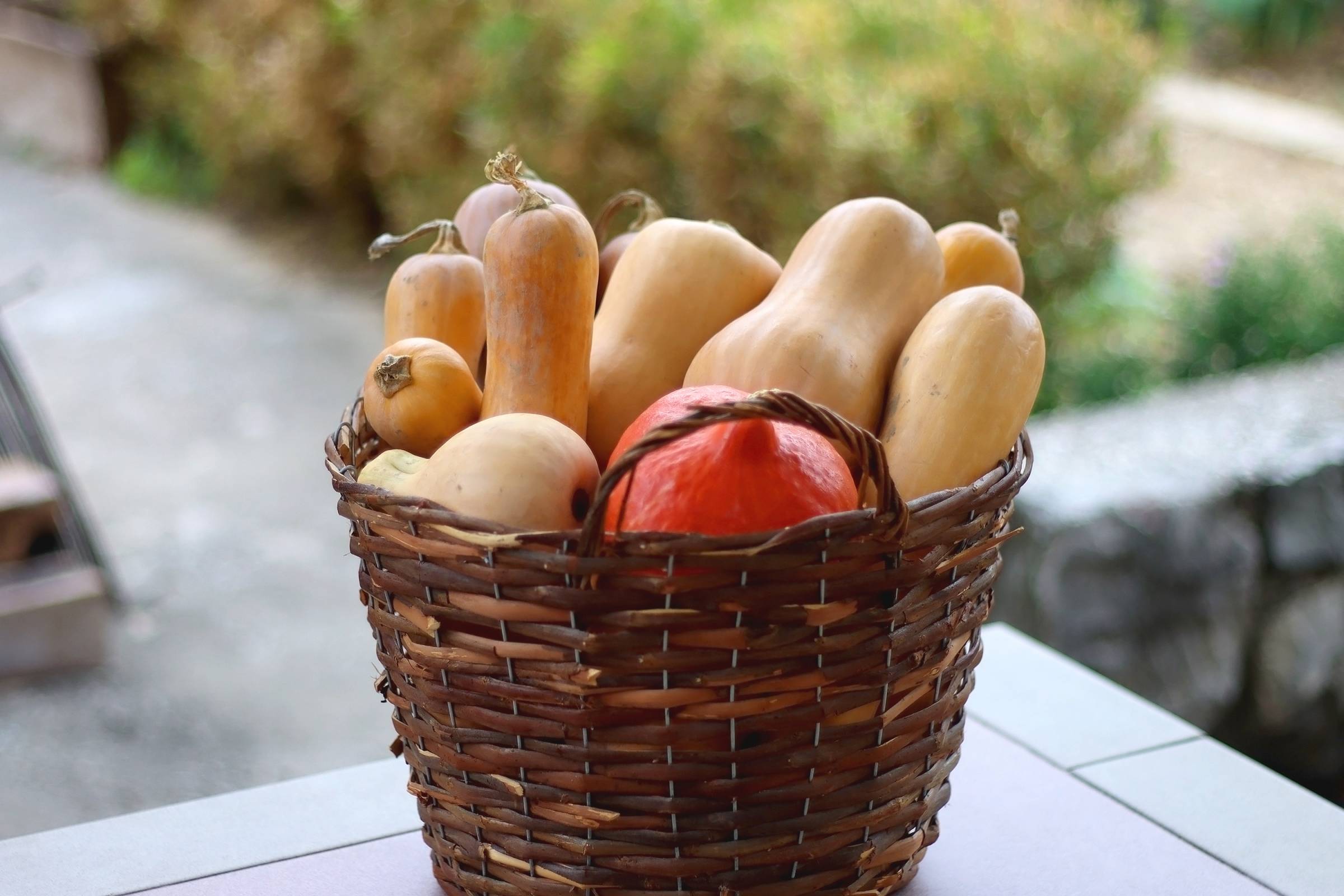
A butternut squash (Cucurbita moschata) is a type of winter squash that grows on a vine. It features a long neck, a bulbous bottom, and tan or golden yellow skin with bright orange flesh. It typically ranges from about three to five pounds in size when mature.
Botanically fruit, butternut squashes originated in South America, mainly Mexico and Guatemala, over 5,000 years ago. It is unclear how it reached Europe, but historians say that Christopher Columbus helped introduce it into the continent after journeying in North America, where it was already famous. By the 17th century, these squashes were already in English gardens.
What is a pumpkin?
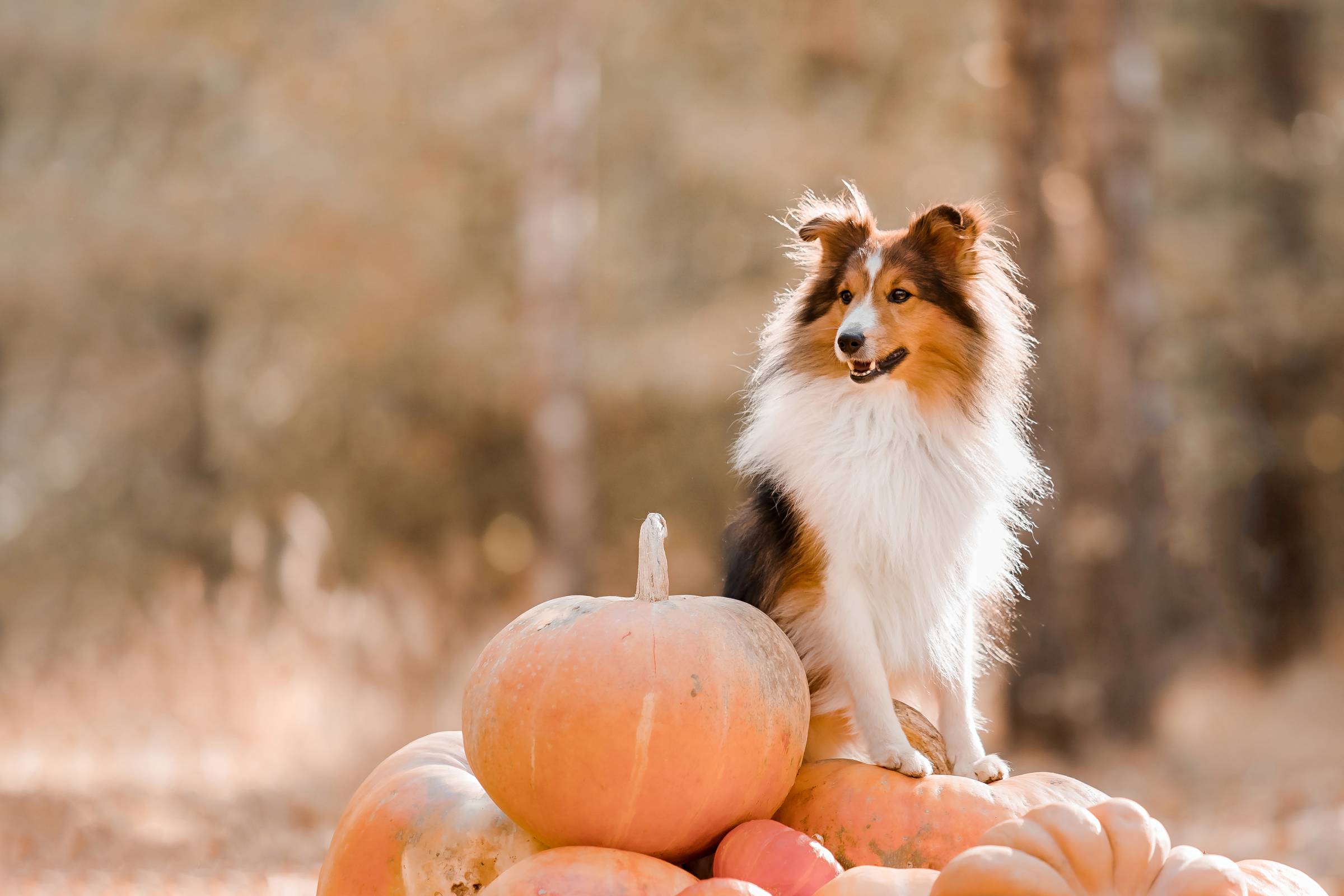
A pumpkin is a winter squash that is round or oval in shape. The most common varieties are large, weighing 10 to 20 pounds. Giant pumpkins grown for contests can reach over 1,000 pounds. Most parts of a pumpkin are edible and highly nutritious, including the flesh, seeds, and even flowers.
Pumpkins have thick, orange or yellow skin, orange flesh, and seeds in the hollow inner cavity. Some varieties may be white, green, or grey. They are in season in October, which is when they are frequently used for Jack-o’-lantern carvings for Halloween.
Pumpkin vs. butternut squash: How are they different?
Butternut squash and pumpkin belong to the same gourd family, Cucurbitaceae, which also includes around 900 species of flowering plants, such as melons, zucchinis, and cucumbers. That they originate from flowers also makes them fruits, contrary to popular belief.
But is butternut squash a pumpkin? No, it is not, and the following sections compare these two types of produce comprehensively.
In terms of cost
Generally, a pumpkin and a butternut squash in the United States cost from a little over $0.50 to $3 per kilogram. Usually, the butternut squash has a higher retail price of nearly $2.50 per kilo. The good news is that it is more stable because the produce is available year-round.
Pumpkin prices surge around late October and November, in time for the Halloween season. In 2023, the produce was worth over $5.
In terms of appearance
The primary difference between butternut squash and pumpkin is in the appearance:
Shape: They have different shapes. Butternut squash has an elongated, oval, or pear shape, with a wider, rounded base and a narrower, curved neck. Pumpkins have a more spherical shape, often with slight ribbing or flattening on the sides.
Size: A butternut squash is generally smaller, averaging three to five pounds. A typical pumpkin is much larger, weighing 10-20 pounds.
Color: Butternut squash has tan or pale yellow skin, whereas pumpkins have a deeper orange exterior. The flesh differs, too. The butternut squash has solid, bright-orange flesh, while the pumpkin flesh is more stringy and lighter orange.
Skin texture: Butternut skin tends to be smooth and thin, with minimal ridges. Pumpkin skin has a thicker, tougher rind with visible ridges and ribs.
Stem: Butternuts have straight, small stems attached to the narrow neck. Pumpkins have thick, curled vines that stem from the top.
Seeds: Butternut seeds are flat and oval, with a white outer shell; they are found at the blossom end of the plant. Pumpkin seeds are more rounded on the edges and light green when shelled.
In terms of taste
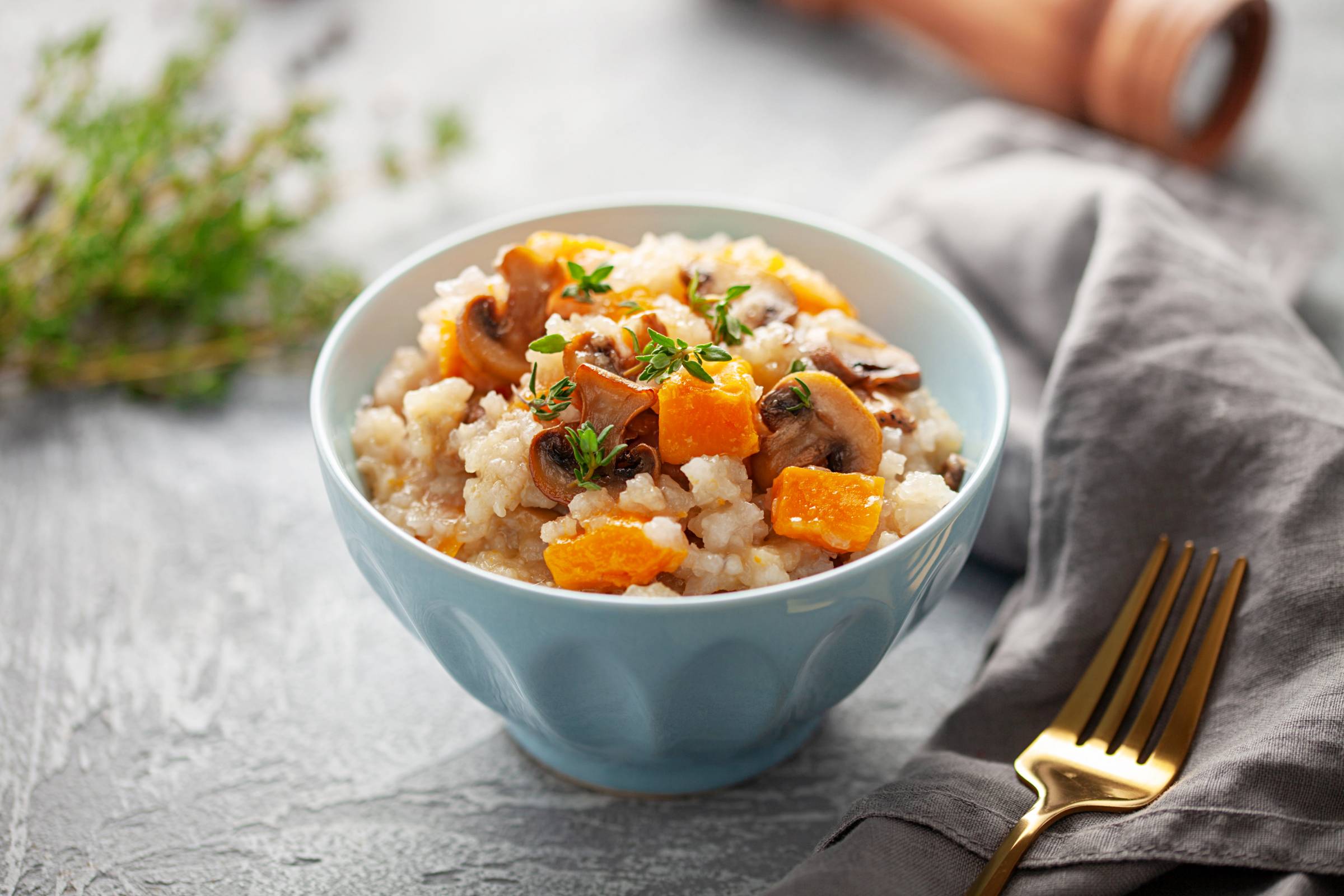
Another main difference between butternut squash and pumpkin is the taste. When raw, pumpkins are mildly sweet, like a cantaloupe or honeydew. They are also slightly earthy and grassy, not unlike the summer squash zucchini.
Most people prefer to eat pumpkins cooked or baked because the process intensifies the produce’s sweetness. On the other hand, pumpkin puree has a creamy, smooth texture, while the nutty flavor emerges when it is roasted and combined with certain spices.
The taste also varies according to the pumpkin type. Sugar pumpkins are the sweetest, making them ideal for pies and desserts. Field pumpkins are less grainy or stringy but more starchy, making them suitable for making dishes creamier.
What does butternut squash taste like? It has a richer and nuttier flavor. Some describe it as almost brown or caramel sugar-like with hints of spice. Cooked butternut squash also has a different texture than raw butternut squash. It is creamy, silky, and smooth, like a sweet potato. It is also more tender than pumpkin.
In terms of nutritional value
Both pumpkin and butternut squash offer many health benefits, whether eaten raw or cooked, except for minor nutritional differences:
Dietary fiber: Butternut squash contains more fiber than pumpkin at seven grams.
Carbohydrates: The squash gives more carbohydrates than the pumpkin.
Protein: Pumpkin has twice the amount of protein than a butternut squash at four grams.
Vitamins and minerals: Pumpkins are excellent sources of riboflavin (B2), copper, and iron. They also have slightly more vitamin E (alpha-tocopherol) than butternut squash at 22% of the recommended daily intake (RDI). Butternut squash provides nearly 460% of the RDI of vitamin C and over 50% of the RDI of vitamin A carotenoids, such as beta-carotene. It also has 15% of the RDI for magnesium, compared to 13% in pumpkin.
Calories: One squash (250 grams, cooked) is 82 calories. A canned pumpkin is 137.
Seeds: The nutritional value of butternut squash seeds (one cup, roasted) is 285 calories, of which 104 come from fat. It provides over 40% of the RDI for magnesium, 12% for iron, and 4% for calcium. An ounce of pumpkin seeds (pepitas) is around 86 grams, of which 7 grams is fat. They are also excellent sources of copper, phosphorus, and zinc.
In terms of versatility
You can roast, saute, and bake (into bread and pies) butternut squash. You can also puree or spiralize it into “noodles.” Its flavor pairs well with sweet and savory ingredients like bacon and butter. For aroma and texture, combine it with vegetables, like kale, spinach, and even summer squash, like zucchini, for a hearty, delicious salad.
Pumpkins are more limited, working better for baked goods (think pumpkin pie) or being incorporated into soups as pumpkin puree to enhance their flavor. Professional chefs also make roasted pumpkin. Outside their culinary uses, pumpkins are the stars during the Halloween season as decorations, such as Jack-O-lanterns.
In terms of availability
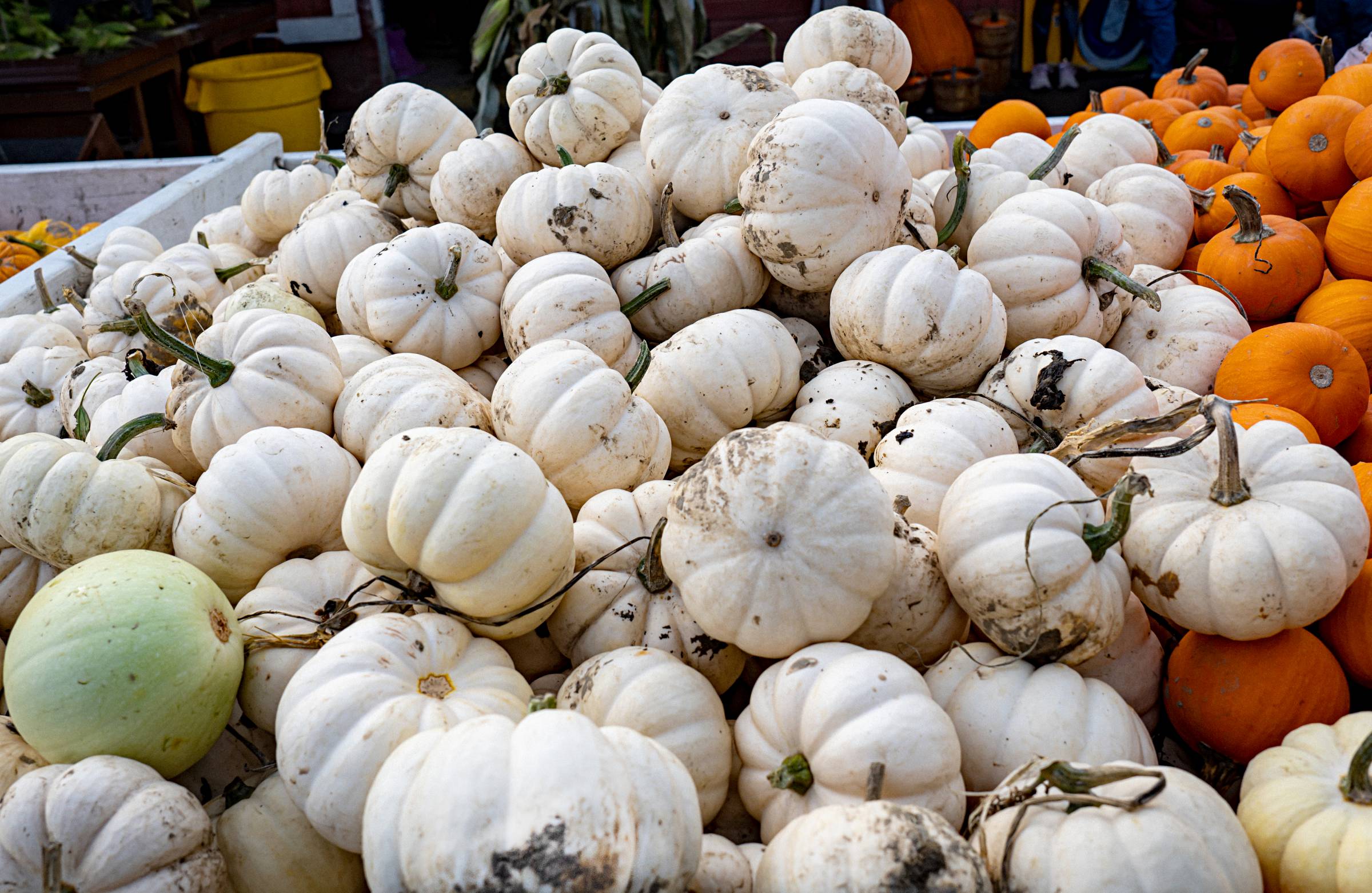
Butternut squash and pumpkin differ in terms of their availability throughout the year. Although both are types of winter squash, butternut squash is available year-round in most grocery stores, with peak season being fall and early winter. You can find them fresh or cut into cubes with summer squash.
Pumpkins are much more seasonal; fresh ones are only available in the fall, usually October through November. In other months, grocery stores and other suppliers sell canned pumpkins for baking.
When it comes to shelf life, butternut squash lasts two to three months when cured, which also sweetens the produce because of its highly concentrated natural sugars. Fresh pumpkins are good for one to two months but break down more quickly when carved for decorating.
In terms of growth difficulty
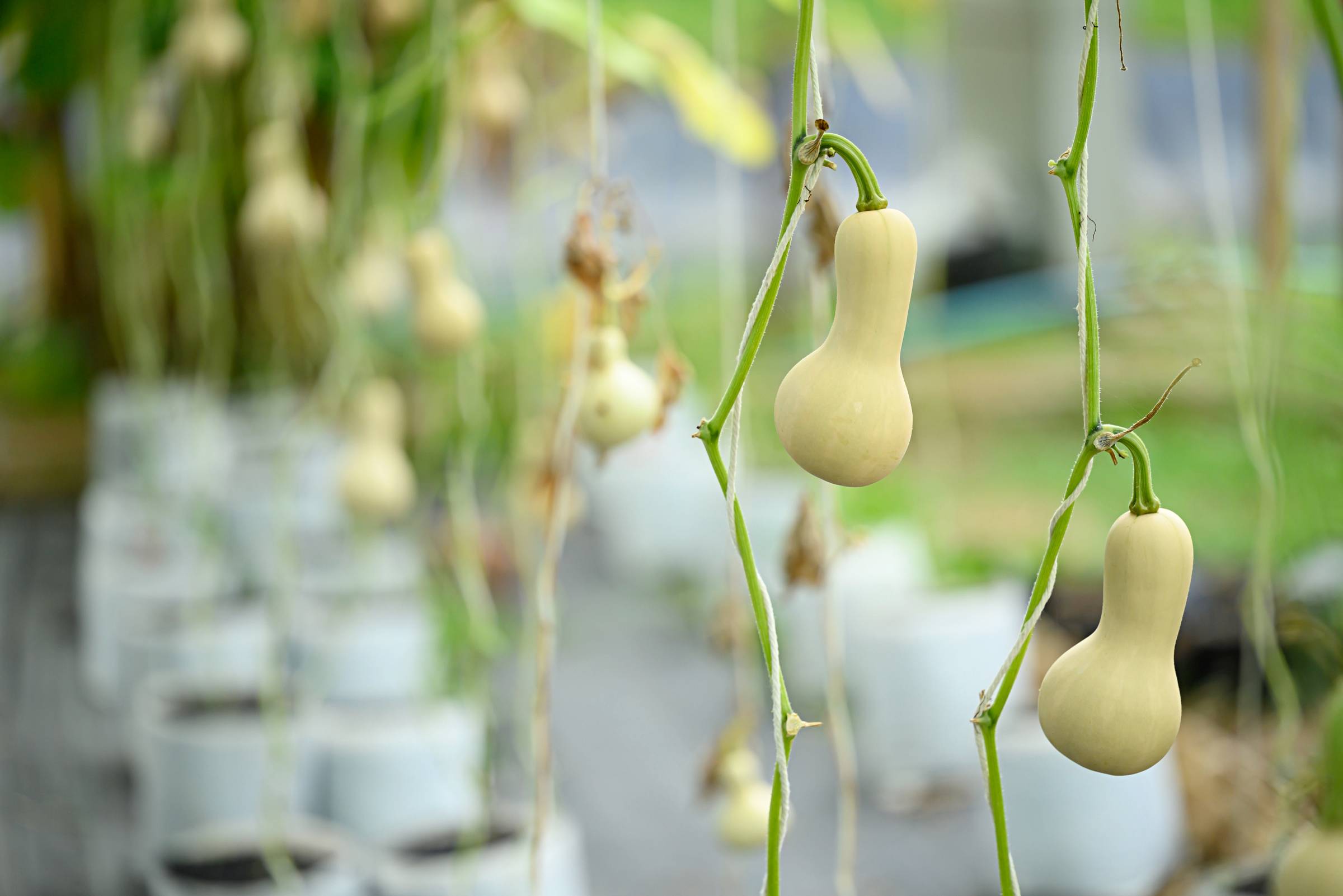
Pumpkins require standard temperature, full sun, and moisture conditions for seedlings. Meanwhile, butternut squashes tolerate some partial shade.
Pumpkins also need more space to grow well, given their sprawling vines and large size. Both need fertile, rich soil. Additionally, an individual pumpkin vine produces a few large pumpkins, whereas a butternut squash vine generates up to ten squashes per plant.
When it comes to pest susceptibility, pumpkins are more prone to squash vine borers and bugs attacking their vines and leaves. Butternuts are mildly less susceptible.
Pumpkin and butternut squash reach maturity in months, but butternut squash are usually ready to harvest in 70 days, compared to 90 days for pumpkin.
Enjoy fresh produce with Airtasker
Learning how to compare butternut squash and pumpkin makes you a wise buyer. Now, you can tell which works better for hearty soups, crunchy salads, or sweet pies. But did you know that both are easy to purchase, grow, or store when you sign up with Airtasker? Just follow these steps:
Create a free account using an email and a password.
Post a task specifying the produce you want, your timeline, and your budget.
Get quotes from professionals. Vet them using their profiles, then choose the best.
Overall, getting fresh food items doesn’t have to be challenging. Whether you like the idea of growing your own produce or prefer the convenience of door-to-door delivery, Airtasker connects you with the resources you need. Sign up today and get ready to enjoy the taste of fall!
Learn more about our contributors
Written by Milafel D.
Contributor
Milafel is an editor and writer with over 15 years of experience. As a contributor to Airtasker content, she brings clarity, creativity, and insight to every piece to help homeowners tackle everyday challenges and turn their living spaces into something truly special. When she’s not writing, Milafel is a devoted cat mama and a teacher’s wife who enjoys belting out tunes at karaoke, journalling her thoughts, and pursuing passion projects.
Butternut squash vs. pumpkin
Butternut Squash |
Pumpkin |
|
|---|---|---|
Cost |
Has a more stable price because it grows year-round |
Offers more flexible budgeting because of its different varieties |
Appearance |
Long neck, bulbous bottom, and yellow or tan skin with bright-orange flesh |
Big, round, with exterior ribbing or ridges; comes in different colors, mainly orange. |
Taste |
Nuttier and richer than a pumpkin |
Sweet, earthy, but stringy and starchy |
Nutritional Value |
Has more fiber, carbohydrates, vitamins C and A, and magnesium |
Contains more protein and calories, as well as riboflavin and vitamin E |
Versatility |
More versatile because it complements a lot of flavors |
Best used as purees and pies and extra texture for soups and other savory meals |
Availability |
Available year-round but peaks in fall |
Mainly harvested during fall |
Growth Difficulty |
Requires less space and is less prone to pests |
Needs plenty of space, full sunlight, and moisture |
FAQs on butternut squash and pumpkin
You can cook these types of winter squash in different ways. For example, you can make pumpkin pie or puree, as well as add pumpkins to meals for added texture. On the other hand, you can enjoy the health benefits of butternut squash when roasted, pureed, and turned into soups.
Both pumpkin and butternut squash can last for over two months. You can extend their shelf life by curing them or storing the produce in a well-ventilated, shady area with a temperature of under 15 degrees Celsius but not lower than 10 degrees Celsius.
Yes, you can eat both pumpkin and butternut squash seeds. They are good sources of healthy fats, but you need to consume them moderately.
Find fresh food delivery, fast
Post a task
Related articles
Ube vs. taro: Which should you get?
Read more