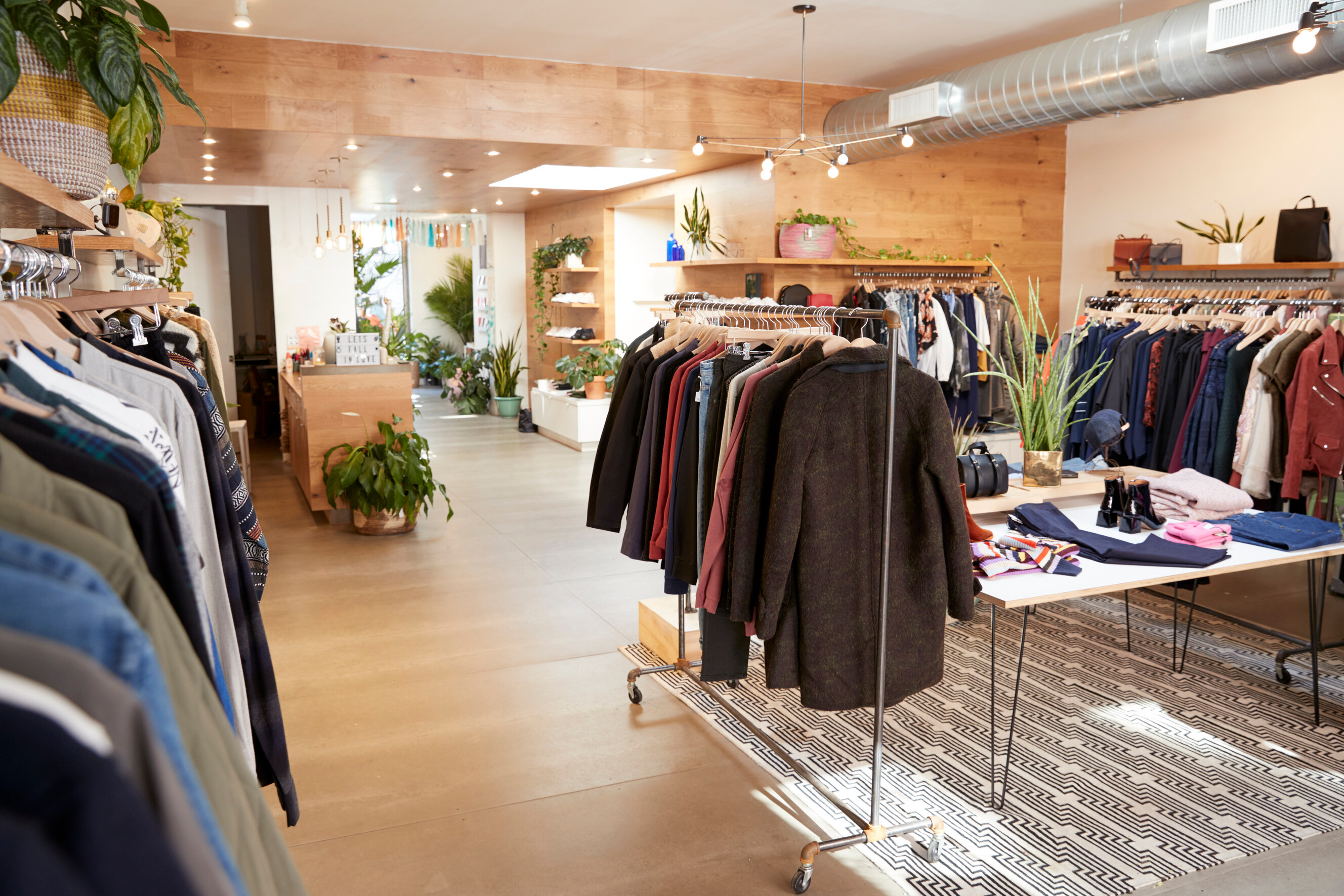
The café owner’s guide to outsourcing: 10 tasks to start with
What to hand off, who to hire, and what it typically costs
Published on

Written by Ma. Donna Dane B.
Contributor
Read more about our contributor
Key Takeaways
Many operational jobs, from commercial kitchen cleaning to bookkeeping, are more cost-effective when handled by experienced professionals.
Some café tasks, like grease trap servicing and equipment maintenance, are worth delegating not just to save time but also to avoid compliance risks.
The biggest hidden cost isn’t the money you spend on outsourcing tasks, but the opportunity cost of spending your own time on tasks that don’t directly generate sales.
Running a cafe business in Australia can feel like spinning multiple plates at once. Within the same day, you might have to manage the breakfast rush, chase supplier deliveries, fix a wobbly table, or reconcile yesterday’s takings long after closing time. Here, hospitality outsourcing can make a real difference.
In simple terms, outsourcing in the hospitality industry means hiring external professionals to handle specific jobs, so you’re not doing everything yourself or leaning entirely on in-house staff. These are 10 tasks worth handing off:
1. Covering barista and floor staff gaps
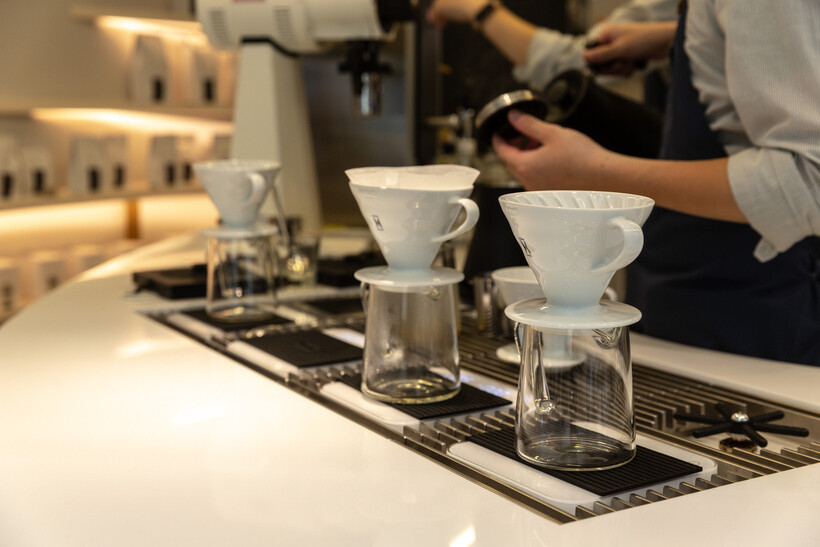 Barista working behind a coffee brewing station (Source: iStock)
Staff shortages are one of the biggest operational challenges facing hospitality businesses across Australia. Few things create panic faster than a text message at 6 am saying your barista can’t make it in.
When a key team member is unavailable, owners often end up covering the shift themselves, sacrificing time that could be spent managing the business. And finding a replacement who can step into a busy café is harder than it sounds.
Outsourcing casual support for staffing and barista work provides a reliable backup plan when unexpected gaps arise. Pro tip: Build relationships with a few trusted casual workers before you need them. Having a shortlist ready can save your morning service.
2. Running supply and ingredient errands
Every café owner knows the feeling of being halfway through a busy service and realising you’re almost out of oat milk, or that today’s delivery still needs collecting. Whichever the scenario, someone has to leave the café.
The problem is that these errands rarely take ‘just ten minutes.’ Traffic, supplier delays, and unexpected detours add up, pulling senior staff away from customers and operations.
Instead of leaving the floor short-staffed, consider outsourcing deliveries and collection runs for getting supplies, transporting stock, or handling urgent last-minute pickups.
3. Deep cleaning the kitchen and grease traps
 Removing baked-on grime from an oven (Source: iStock)
Australian food safety standards require your premises to be clean, safe, and protected from contamination. However, tasks like scrubbing floor drains and cleaning a grease trap are easy to defer when the floor is busy. They’re also the jobs likely to create a food safety problem if you do.
Grease traps, in particular, deserve attention. They need to be serviced regularly to stop fats, oils, and grease from entering sewer systems, and most councils have specific compliance requirements around how often. Outsourcing commercial kitchen cleaning means that the schedule actually gets kept.
4. Getting rid of pests
Cafés face unique pest challenges due to food storage, waste disposal, warm environments, and constant customer traffic. Even a minor pest issue can damage customer confidence and create compliance concerns during inspections.
Rather than waiting for signs of a problem, many successful café operators schedule routine pest control visits year-round. Common preventative treatments include:
Rodent monitoring and baiting
Cockroach prevention programs
Ant control
External perimeter treatments
Food storage area inspections
Time these visits for quieter trading periods to minimise disruption to customers and staff.
5. Maintaining the coffee machine and equipment
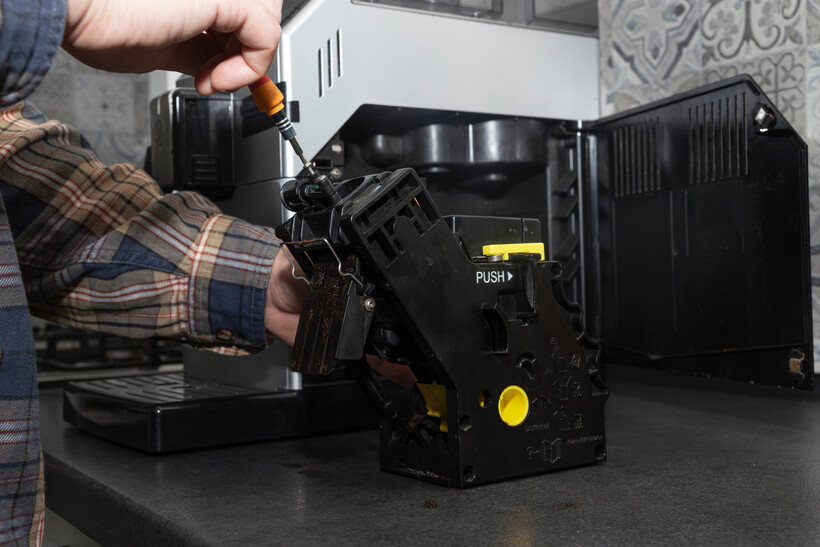 Disassembling a coffee machine’s brew unit (Source: iStock)
Your coffee machine is arguably the hardest-working employee in the building. Yet routine coffee machine maintenance, such as descaling and grinder cleaning, is often the first thing to slip when things get busy.
Small issues, though, rarely stay small for long. Poor upkeep can affect coffee quality and increase energy consumption.
If you’re wondering how to run a successful cafe, protecting your equipment investment is one of the smartest long-term decisions you can make. Outsourcing regular coffee machine repair and appliance servicing can stop minor wear and tear from turning into major repair bills.
6. Keeping on top of bookkeeping
Margins in hospitality are notoriously tight. A small invoicing error, missed supplier payment, or inaccurate cost-of-goods calculation can have a noticeable impact on monthly profits.
Maintaining accurate business records matters too, for tax compliance and financial management. Poor record-keeping can result in reporting errors and unnecessary financial stress.
Important bookkeeping tasks to stay on top of include daily takings reconciliation, payroll, and Business Activity Statement (BAS) prep. Many operators outsource their accounting needs instead of tackling the books after hours.
7. Washing aprons, uniforms, and linen
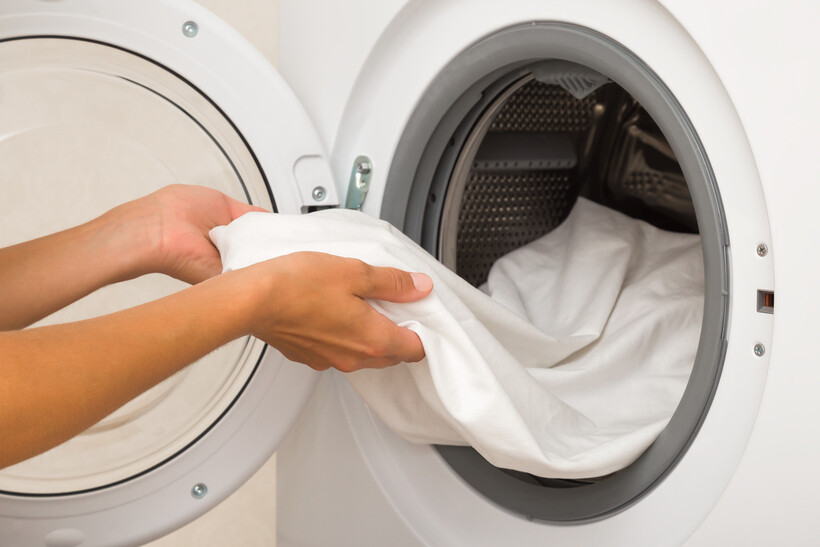 Unloading a white sheet from a washing machine (Source: iStock)
In a busy venue, aprons, uniforms, and tea towels don’t take long to pile up. If nobody owns the task, it tends to fall to whoever’s closing, or the owner ends up sorting it at home.
A regular laundry and linen service keeps uniforms presentable, ensures food-contact cloths meet hygiene requirements, and means you won’t be short on clean stock at the start of a shift.
8. Updating menu boards and signage
Fresh, professional signage does more than catch the eye. It supports sales and reinforces your brand identity every time someone walks through the door. This is especially important after a café renovation or café fitout, when new branding and visual presentation become a major focus.
A signage designer can refresh menus, create seasonal promotions, and install new displays properly. Signage refreshes can also double as effective cafe marketing ideas, drawing attention from regular customers and passers-by alike.
9. Fixing furniture and fittings
 Repairing an upturned wooden stool by hand (Source: iStock)
High customer traffic takes its toll. Over time, even the best cafés can develop a growing list of maintenance issues, such as:
Wobbly tables
Loose fixtures
Cracked chairs
Damaged booth seating
Chipped counters
Broken shelving
Individually, these problems seem minor, but collectively, they affect how comfortable and put-together your café looks. A customer balancing a flat white on a shaky table is unlikely to have a memorable experience for the right reasons.
Routine repairs also help maintain safety standards, which matters for liability and insurance as much as appearances. A trusted handyman can work through this list in one visit, rather than fixing one chair at a time.
10. Refreshing the café’s paintwork
Long before customers taste your coffee, they’re judging your space. Scuffed walls, faded paint, and worn seating can make any café feel tired.
Regular cosmetic maintenance helps protect the atmosphere you’ve worked hard to create. You’ll typically find touch-ups needed on feature walls, shopfronts, and timber furniture.
This becomes particularly important ahead of summer trading periods or following a café renovation project. Hiring a painter can help you achieve a polished result while avoiding the disruption of doing it yourself.
DIY vs outsourcing café tasks
When you do everything yourself, the hours add up quickly. Every hour spent deep cleaning or fixing furniture is an hour you’re not spending on customers, staff, or the business itself.
The real cost isn’t the time you spend on these tasks, it’s what economists call opportunity cost: the value of everything else you could’ve been doing instead.
A rough way to measure it: divide your monthly profit by the hours you work to get your effective hourly rate, then count how long each task actually takes, including travel and prep. That’s the number to compare against outsourced services.
Here are what some of those typically cost:
Task |
Typical Range |
Median |
|---|---|---|
Delivery |
$80 to $239 |
$140 |
Commercial cleaning |
$100 to $250 |
$160 |
Pest control |
$110 to $200 |
$150 |
Appliance repair |
$100 to $200 |
$149 |
Commercial laundry |
$50 to $130 |
$90 |
Signage design |
$60 to $240 |
$130 |
Handyman |
$100 to $299 |
$150 |
Painting |
$100 to $295 |
$150 |
Indicative ranges based on recently posted tasks on Airtasker in 2026. Actual costs can still vary by location and scope.
Add those numbers up, and outsourcing may start to look like the better deal.
Serve great coffee and boost customer satisfaction
Running a café is one of the most fulfilling jobs there is, and it becomes even more rewarding when you work smart and delegate. Find Taskers to handle the cleaning services, cover a shift, or fix what needs fixing, so you can focus on the coffee.
Getting started on Airtasker is simple:
Identify the task that’s taking up too much of your time.
Post the job on Airtasker with a clear brief, timeline, and budget.
Review Tasker profiles, compare offers, and choose the right person for the job.
Learn more about our contributors
Written by Ma. Donna Dane B.
Contributor
Donna is an experienced writer and editor with expertise in web content, help guides, documentation, and academic research. She's written professionally for companies and nonprofit organizations in the elearning, agriculture, food, and beauty. Outside of work, Donna explores small business baking, AI governance research, and long-distance running, which influence her writing.
Frequently asked questions
Common examples include cleaning, bookkeeping, deliveries, pest control, equipment maintenance, and signage updates: all tasks to outsource in a hospitality business because they consume significant time without directly generating revenue.
Core business decisions, customer service standards, hiring decisions, and brand strategy are usually best retained by the owner or management team. Outsourcing works best for specialist, administrative, or operational tasks that don’t require day-to-day business leadership.
Common mistakes include underestimating operating costs, neglecting cash flow planning, poor inventory management, insufficient staffing plans, and overlooking ongoing maintenance requirements. Many operators also underestimate the importance of systems such as café bookkeeping and preventative equipment maintenance.
You can find a barista through Airtasker by posting your shift requirements, location, experience expectations, and budget. Reviewing profiles, ratings, and prior hospitality experience can help you find a suitable candidate, particularly when last-minute staffing gaps arise.
Find staffing services, fast
Find a staffing service