- Home/
- Costs/
- Heated Floor Installation/
- Underfloor Heating Installation Cost Guide
How much does underfloor heating installation cost in Australia?
Post to find a price. It's free and only takes a minute.
Typical installation costs per square metre
$40 - $250
low
$40
median
$145
high
$250

Published on
Key Takeaways
Expect to spend between $40 and $250 per square metre for underfloor heating installation in Australia.
Reduce your upfront bill by timing the installation with other renovations and picking the right system layout.
Always look for tradespeople with proven experience in subfloor layout.
Few things beat the feeling of stepping onto a warm floor on a freezing winter morning, especially if you’re currently mapping out a bathroom renovation or planning a new home extension. If you’re ready to ditch the clunky wall heaters, the main question on your mind is likely: how much does underfloor heating cost to put in?
Your final underfloor heating installation cost depends on the system you choose. Electric mat setups and hydronic water systems require different installation methods, which changes the price. This guide breaks down costs by city and room type to help you budget more confidently.
How much does underfloor heating cost by city?
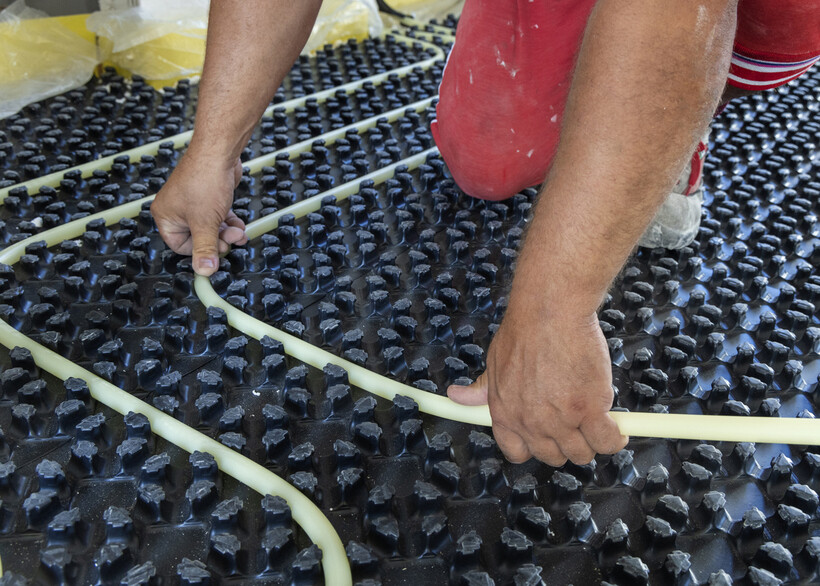 Installer laying underfloor heating pipe on-site (Source: iStock)
How much you’ll pay for heated flooring depends heavily on where you live. While system materials stay relatively consistent across the country, local trade availability and regional climate demands directly influence local pricing.
The table below outlines what you can expect to pay per square metre for installation across major Australian cities:
City |
Typical Install Cost (per m²) |
|---|---|
Adelaide, SA |
$40 to $75 |
Brisbane, QLD |
$40 to $60 |
Canberra, ACT |
$100 to $250 |
Gold Coast, QLD |
$40 to $105 |
Melbourne, VIC |
$40 to $60 |
Perth, WA |
$118 to $172 |
Sydney, NSW |
$40 to $60 |
How much does underfloor heating cost by room type?
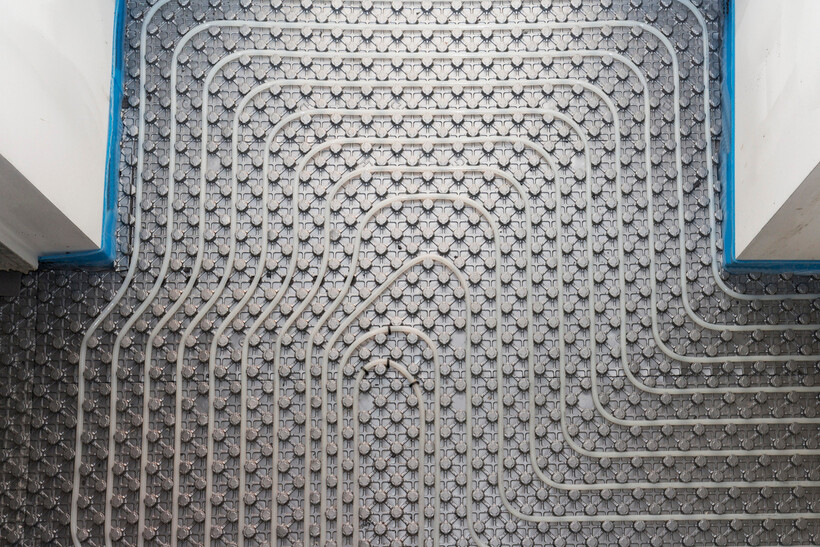 Pipe coils fitted in a small room (Source: iStock)
The total size of your project impacts the final underfloor heating price. Smaller spaces require more precise cuts, waterproofing, and dedicated thermostats, which pushes up the rate per square metre. Conversely, large open living areas allow for faster, more economical installation.
If you’re renovating, budgeting for bathroom underfloor heating costs will look quite different to heating a main family room. Before finalising your layout, it helps to review different bathroom flooring options to see what works best with your system. Here’s how typical professional installation costs break down by room type:
Room Type |
Typical Install Cost (per m²) |
|---|---|
Bathroom |
$133 to $250 |
Kitchen |
$90 to $150 |
Living Room |
$40 to $115 |
What factors affect underfloor heating installation costs?
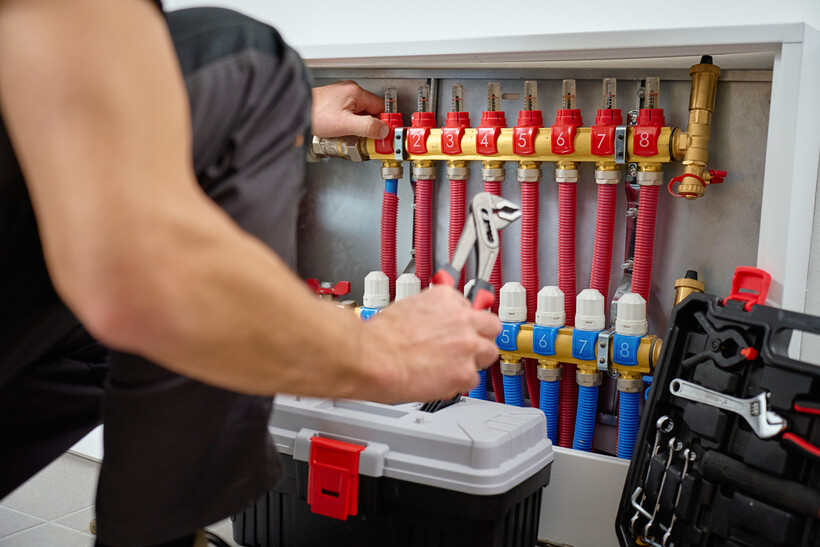 Technician adjusting the hydronic manifold (Source: iStock)
Several practical factors shift a quote up or down, from system type to room shape. Understanding them helps you figure out exactly where your hard-earned money is going.
System type
Choosing between electric mats, loose cables, or water-based hydronic heating alters your budget. Electric options use thin elements ideal for quick, localised retrofits.
On the other hand, hydronic systems or gas slab heating require thicker pipes embedded deep within the concrete, which adds to your upfront heating and cooling system setup fees but offers much lower running costs for large spaces.
Floor size and room shape
Large, open-plan zones cost less per square metre because installers can lay down long, unbroken runs of heating elements quickly. Awkwardly shaped rooms with structural pillars, tight alcoves, or curved walls slow the job down, requiring intricate cutting and layout planning, which naturally increases labour time.
Floor finish compatibility
Your choice of flooring impacts how easily heat rises into the room. Tiles, stone, and polished concrete conduct warmth beautifully, making them the gold standard for these home heating systems. Thick timber planks, engineered wood, or heavy carpets act as natural insulators, requiring specialised low-temperature systems to prevent the floor from warping.
If you plan to lay down textiles over your system, consulting a professional carpet layer ensures your insulation barriers are set correctly and aligned with your broader flooring installation plans.
New install vs retrofit
Laying heating elements down during a new build or a fresh extension is simple because you start with a clean slate. New builds also make it easier to install supporting equipment, such as a heat pump for hydronic systems, without major structural changes later on.
Retrofitting an existing room means peeling back old floor coverings, grinding down concrete, or building up the subfloor. That extensive preparation can double your total project costs before the heating even turns on.
Thermostat and controls
A basic manual dial keeps things cheaper up front but gives you limited control over energy use. Upgrading to smart, multi-zone touchscreen thermostats lets you set precise schedules for different rooms.
While these advanced control units add a few hundred dollars to your initial bill, they quickly pay for themselves by slashing power wastage.
State or territory and labour rates
Trade fees dictate a large chunk of the final invoice and vary between major cities and regional towns. You may also need a licensed electrician to wire electrical systems safely, or a certified plumber to commission a hydronic heating system.
How to save money on underfloor heating
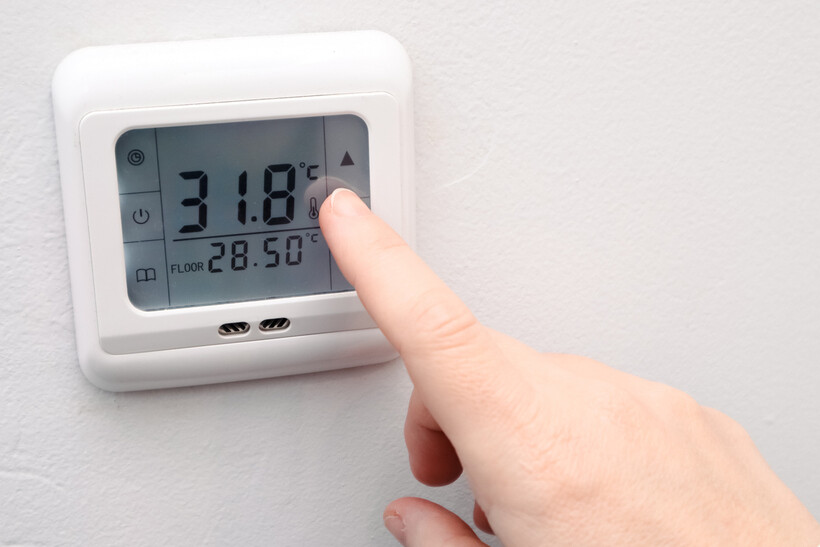 Digital thermostat tracking floor temperature (Source: iStock)
Managing the cost to install underfloor heating comes down to smart timing and choosing the right system setup. You can significantly lower your final bill without cutting corners on warmth or quality.
Time it with a renovation: Install heating during a bathroom retile. This avoids the cost of ripping up good flooring later, lowering the total underfloor heating cost. You can review the expected cost of tile flooring to seamlessly align your tiling budget with your heating installation.
Choose electric mats for small zones: Use pre-spaced electric underfloor heating mats in small rooms. They roll out fast, saving on labour hours.
Pre-insulate the subfloor: Lay insulation boards under the system. This keeps heat from escaping down into the ground and lowers energy bills.
Skip fixed furniture zones: Avoid running heating under permanent cabinets or vanities. It saves on materials and prevents trapped heat.
Install a smart thermostat: Use a programmable timer to heat floors only when needed. This prevents high running costs from accidental 24/7 operation.
Do the prep work yourself: Clean, level, and vacuum the subfloor before your installer arrives. Clearing the space can keep your paid professional focused purely on the task and prevent extra charges.
What to look for in an underfloor heating installer
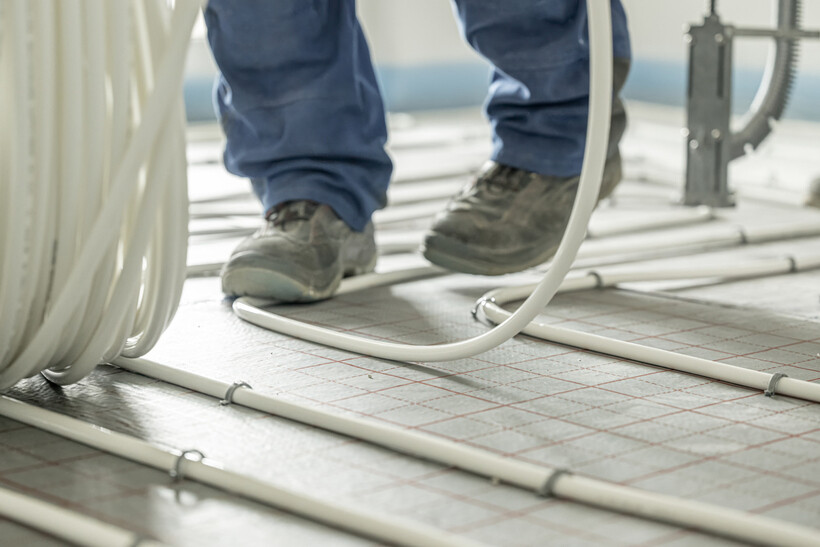 Walking the subfloor during pipe installation (Source: iStock)
You need the right hands on the job to make sure your floor warms up safely and stays energy-efficient. Look for these five key elements before your installer begins layout work:
Licensing and credentials: Confirm your installer holds the appropriate trade qualification: a licensed electrician for electrical systems or a licensed plumber for hydronic setups.
Subfloor layout experience: Ask about their specific history with floor heating, not general tiling. Expansion gaps and screed drying times are easy to get wrong.
Multimeter continuity testing: Make sure they test the system’s electrical resistance before, during, and after laying floor coverings, so hidden damage is caught before it’s sealed in.
Component product warranties: Ask what warranty coverage comes with the cables or pipes they’re using before you commit.
Waterproofing compliance knowledge: In wet areas like bathrooms, check that they coordinate with your waterproofer on the correct sequencing of the membrane.
Get quotes from local underfloor heating installers on Airtasker
Underfloor heating is a worthwhile investment for most Australian homes, especially during chilly regional winters. Compared to radiators, underfloor heating can eliminate bulky wall heaters, distribute warmth evenly, and add long-term value to your property.
Ready to step onto cosy, warm floors? Connect with local heated floor installers on Airtasker who fit your project timeline and budget, and get your project moving today.
FAQs on underfloor heating
Underfloor systems distribute warmth evenly across the room without creating cold spots or blowing dust around like standard ducted systems. They also eliminate bulky radiators, giving you complete freedom with your interior design layout.
Electric systems are usually cheaper to install up front, whereas hydronic underfloor heating systems may cost much less to run over time. Choosing between them depends heavily on whether you’re renovating a single room or investing in a large-scale new build.
Running a standard four-square-metre bathroom generally costs around $30 to $50 per month when operated for a few hours each day. Your total bill can fluctuate based on local electricity tariffs, subfloor insulation quality, and the overall cost of underfloor heating in Australia.
Ceramic tiles, natural stone, and polished concrete are highly compatible because they conduct and hold heat beautifully. You can also use engineered timber, luxury vinyl tiles, and thin carpets, provided you first verify the material specifications with your manufacturer.
Find heated floor installers, fast
Post a task