- Home/
- Guides/
- Drain Cleaning/
- How to Unblock a Drain
How to unblock a drain: Simple DIY methods to try first
Last Updated on
You might be doing the washing up or taking a shower when you notice the water isn’t draining properly. Instead of flowing away, it starts pooling around your feet or sitting in the sink. It’s frustrating—and it can make you worry about costly plumbing repairs.
In many cases, a slow or blocked drain is caused by a buildup of everyday materials like hair, grease, soap residue, or food scraps. Before calling a plumber, there are a few simple DIY methods you can try at home.
Here’s how to unblock a drain safely and effectively in Australia.
1. Use baking soda + vinegar
This natural method works well for mild blockages in kitchen sinks, bathroom basins, and showers.
What you’ll need:
½ cup white vinegar
½ cup baking soda
What to do:
Pour the baking soda directly down the drain.
Follow with the vinegar — it will immediately start fizzing.
Leave it to sit for at least one hour. For best results, leave it overnight.
Flush through with hot (not boiling) water.
The fizzing reaction can help loosen grease, soap scum, and minor debris.
2. Pour boiling water down the drain
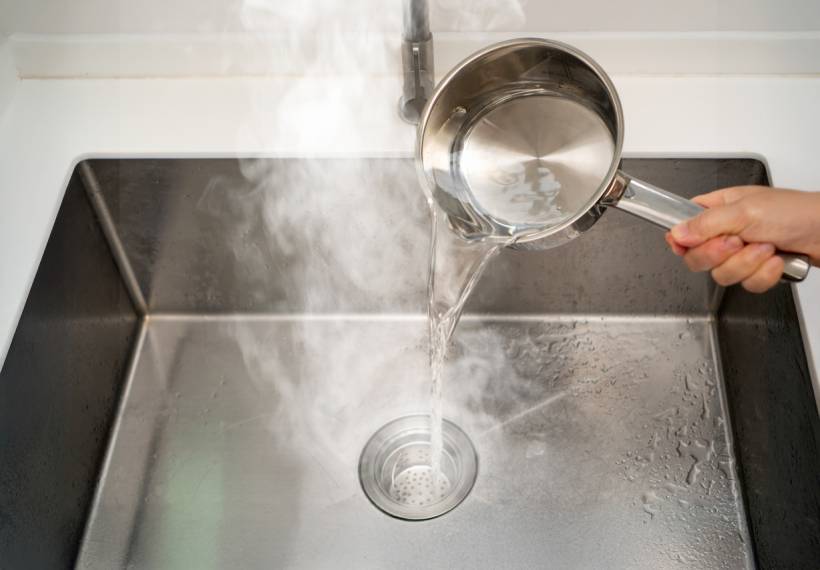 Hot water being poured into a stainless steel sink drain for drain cleaning (Source: iStock)
For grease-related blockages (particularly in kitchen sinks), boiling water can sometimes do the trick.
How to do it:
Boil a full kettle.
Carefully pour the water down the drain in stages, pausing for around 10 seconds between pours.
This method works best on fat, oil, or soap buildup.
3. Try salt + baking soda
This is another household remedy that may help break down minor blockages.
What you’ll need:
½ cup baking soda
½ cup table salt
Steps:
Mix the salt and bicarbonate together.
Pour the mixture down the drain.
Leave it for 10–20 minutes.
Flush with boiling water.
This combination can help loosen grime and buildup inside the pipe.
4. Use a plunger
Sometimes a traditional plunger is the most effective solution.
Tips for best results:
Make sure there’s enough water in the sink to cover the rubber cup.
Seal any overflow outlet with a damp cloth.
Ensure the plunger fully covers the drain opening.
Pump firmly up and down several times to create suction.
It may take a few attempts, but plungers are highly effective at shifting many common blockages.
5. Use a chemical drain cleaner
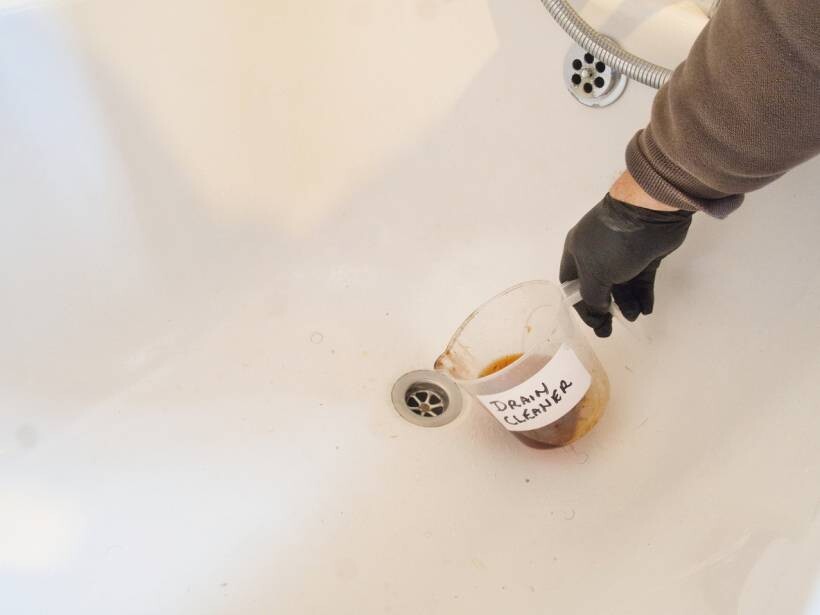 Applying chemical drain cleaner to a clogged bathtub drain (Source: iStock)
If natural methods haven’t worked, you can purchase a drain cleaner from supermarkets or hardware stores like Bunnings.
Follow the manufacturer’s instructions carefully, including:
Wearing gloves
Ensuring good ventilation
Leaving the product in for the recommended time
Afterwards, flush with hot water.
6. Try an enzyme-based (organic) cleaner
For a more eco-friendly option, enzyme-based drain cleaners use natural bacteria to break down organic matter, such as:
Hair
Soap residue
Food waste
Grease
These products tend to work more slowly than chemical cleaners but are gentler on pipes and the environment.
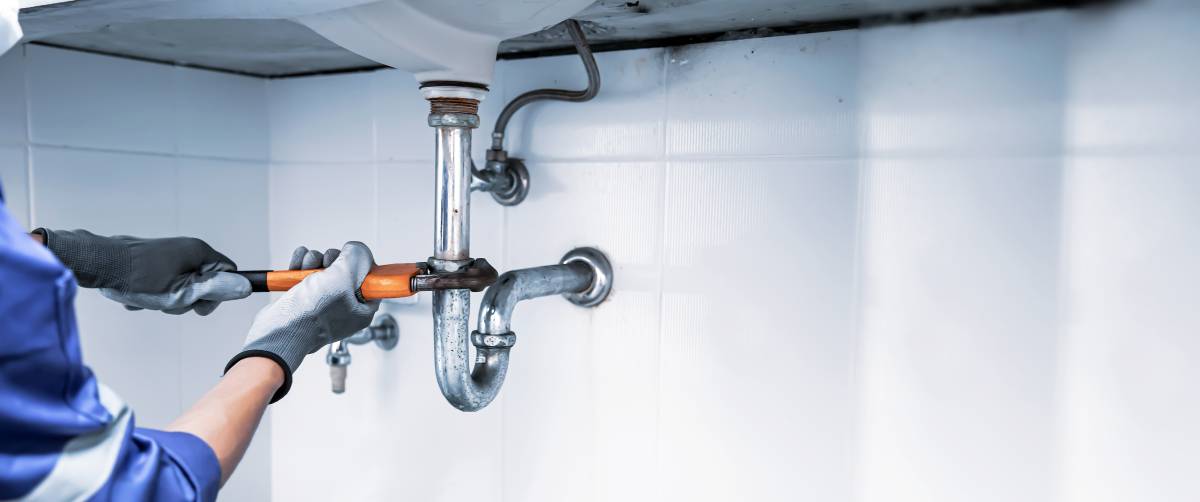
7. Clean the U-bend (sink trap)
If the blockage is under your sink, it may be trapped in the U-shaped pipe (also known as the trap).
You’ll need:
A bucket
Adjustable spanner or wrench
Old toothbrush or cloth
Steps:
Place the bucket under the pipe to catch any water.
Loosen the slip nuts at both ends of the U-bend.
Carefully remove the pipe.
Empty and clean out any debris.
Rinse thoroughly and reattach securely.
Make sure all connections are tightened properly before running water again.
When to call a professional plumber
If:
Multiple drains are blocked
Water is backing up
You can smell sewage
The blockage may be deeper in the drainage system.
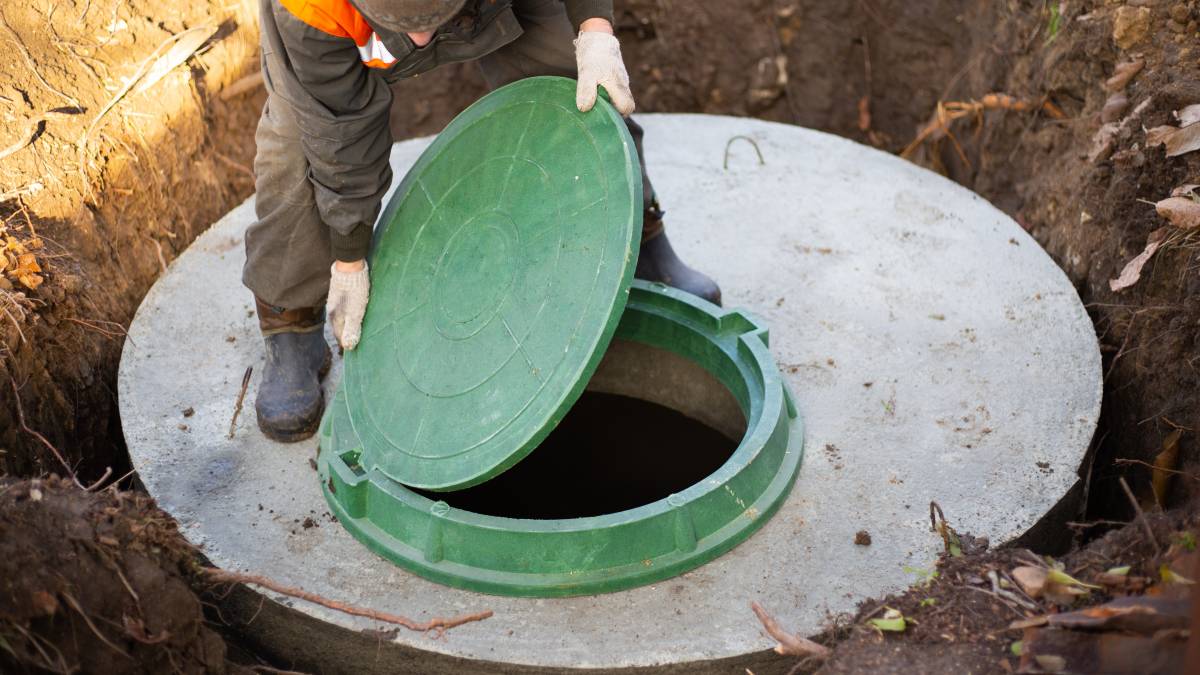
In Australia, serious blockages can be caused by tree roots, collapsed pipes, or external stormwater issues, especially in older properties. In these cases, a licensed plumber may need to use specialised equipment, like drain cameras or high-pressure jetting.
Have your drain unblocked with Airtasker
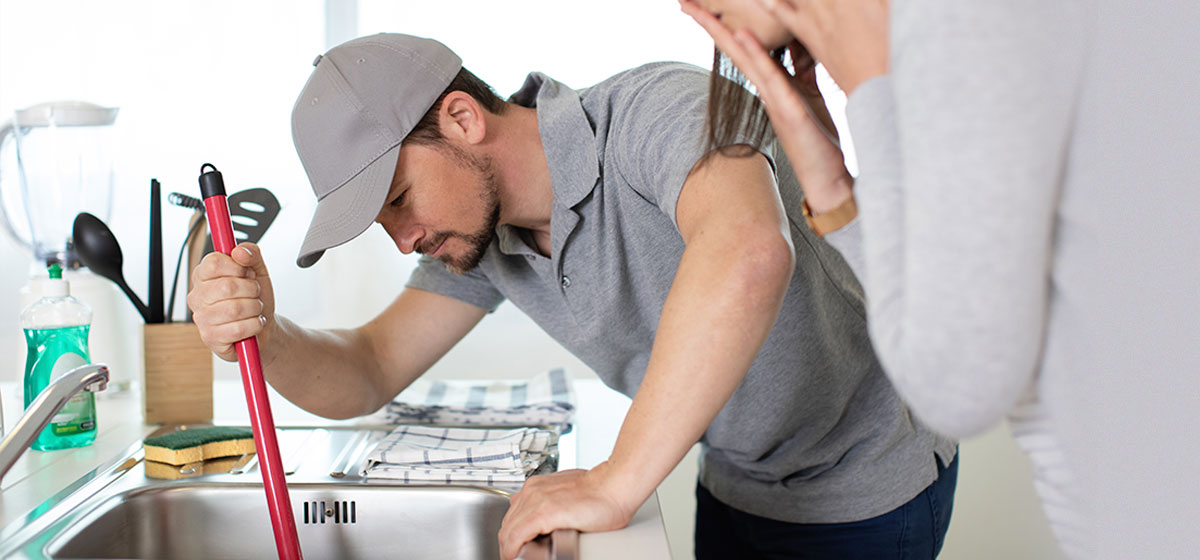
When DIY solutions don’t solve the problem, you can find experienced plumbing professionals on Airtasker who can quickly diagnose and clear your blocked drain.
Post your task, compare quotes, and get your sink, shower, or bath back to full working order without the stress.
FAQs
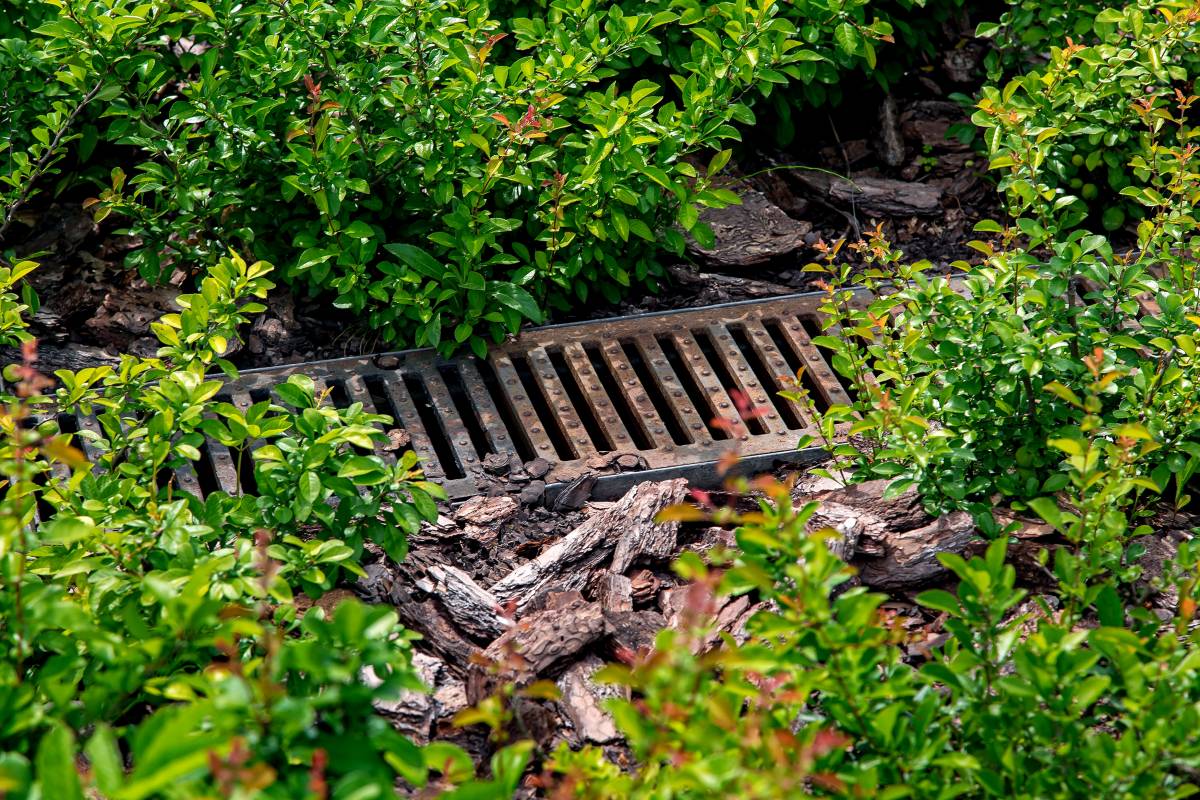
To unblock an outside drain, first remove any visible debris, such as leaves, mud, or litter, from the drain cover. You can then try using drain rods to break up the blockage by pushing and twisting them clockwise. If water is backing up or the blockage is deep in the system, you may need professional high-pressure jetting to safely clear the pipe.
The cost to unblock a drain in Australia typically ranges from $100 to $300 for a standard internal blockage. More complex issues, such as tree root removal or high-pressure jetting, can cost $300 to $600 or more. Prices vary depending on the severity of the blockage and your location.
Responsibility for blocked drains in Australia usually depends on where the blockage is located. Homeowners are typically responsible for drains within their property boundary. If the blockage is in a shared sewer line or outside the boundary, the local water authority may be responsible.
Find drain cleaning experts, fast
Find a drain cleaning expert