- Home/
- Guides/
- Tattoo Artists/
- Earn Money as a Tattoo Artist
How to make money as a tattoo artist
Interested in inking and making a living out of it? Read our ultimate guide on how to become a tattoo artist!
Published on

Written by Angela A.
Staff Writer
Read more about our contributor
Key Takeaways
Tattoo artists in Australia earn an average of $28 per hour, with experienced artists commanding rates between $22 and $80 per hour, depending on location and specialisation.
The industry has shifted from underground culture to mainstream acceptance, creating diverse opportunities across professional, hipster, and wellness markets.
Investing in skill and hygiene protocols is important to ensure a good reputation right off the bat.
Tattoos are easier to get today than ever. Australia’s tattoo scene has exploded beyond its bikie gang origins into a legitimate creative industry. If you’re a tattoo artist in Australia looking for ways to earn more, you’re in the right place.
This guide breaks down the practical steps on how to make money as a tattoo artist in Australia. From mastering the needed skills and navigating licensing requirements, you’ll discover how to build a sustainable business that fits your lifestyle and financial goals.
What should you know about the Australian tattoo industry?
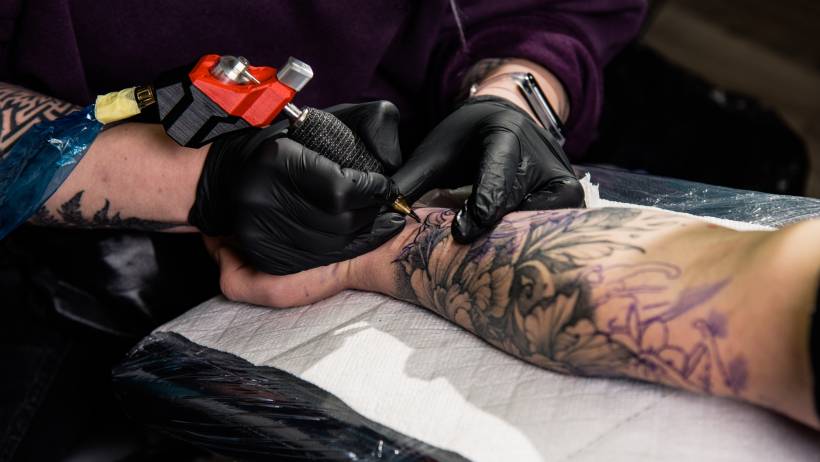 Professional tattoo artist in black gloves. (Source: iStock)
Below is an analysis based on Airtasker’s data on the various types of posted tattoo-related tasks from 2021 to 2025. Our data covers traditional tattoos, fine line work, cover-ups, mobile tattoo services, wedding/event tattoo services, cosmetic tattoos (eyebrows), tattoo removal, face painting and temporary tattoos, and tattoo design work.
Tattoo task volume annual growth (2022–2025)
This table illustrates the recovery and expansion of the market over the last four years.
|
Year |
Tattoo task volume |
|---|---|
2022 |
+79% |
2023 |
-5% |
2024 |
+8% |
2025 |
+46% |
As for tattoo styles, fine link work was the consistent top choice yearly since 2023. Other notable style mentions in the task descriptions analysed were traditional, realistic, geometric, and Japanese.
Key services & Market trends
Airtasker data on posted tattoo-related tasks indicates a shift in how and why people are seeking tattoo services.
|
Trend category |
Description and key driver |
|---|---|
Mobile services |
High demand for home visits and convenience. |
Event tattooing |
Growth in "pop-up" services for weddings and parties. |
Cosmetic |
Rise in eyebrow and medical tattooing. |
Maintenance |
Steady demand for cover-ups and removal services. |
This analysis covered over 1,000 tasks from 2021 to 2025. Our data suggests there’s a clear move toward minimalist styles and specialised on-site tattoo services. You can use our side hustle calculator to estimate how much you could earn as a tattoo artist should you want to monetise this skill further.
Essential skills to get started and make money as a tattoo artist in Australia
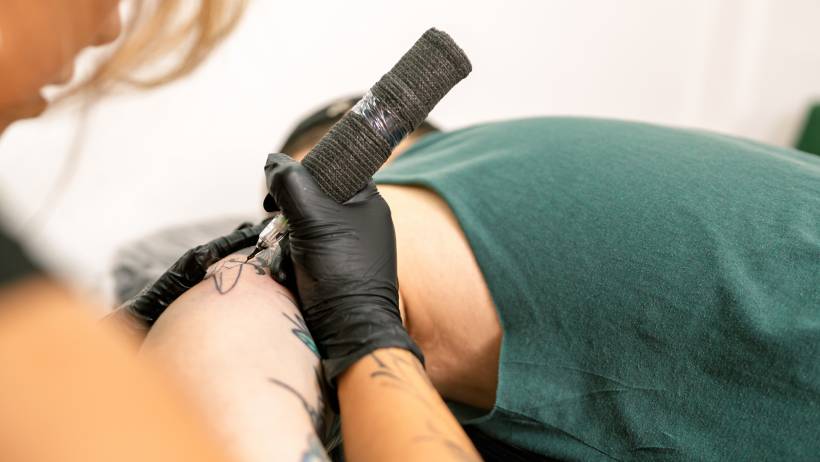 A female fine-line artist. (Source: iStock)
Essential skills and know-how
The artists who thrive understand that tattooing involves as much customer service and safety compliance as creative work. Here are some skills you’d need to build a profitable practice.
Clear tattooing technique and style
Your technique determines both the quality of your work and your earning potential. Machine tattooing remains the industry standard, using electromagnetic or rotary machines to deliver consistent line work and shading. But stick-and-poke techniques have also carved out a niche market, particularly for minimalist designs and intimate settings.
Style specialisation helps you stand out in a crowded market as well. Fine lines and geometric designs appeal to professionals seeking subtle tattoos, while realism and portraits command premium rates due to their complexity.
Good interpersonal skills
It’s not enough to just learn how to become a tattoo artist. You need strong communication skills to help you manage clients’ expectations, explain pricing clearly, and guide nervous first-timers through the process. They need to feel comfortable discussing personal designs, pain tolerance, and aftercare during consultations.
In addition, building rapport during sessions keeps clients relaxed and creates positive experiences they’ll recommend to others. Many successful artists report that their personality and bedside manner generate more repeat business than technical skill alone.
Time management
Tattoo sessions can last anywhere from 30 minutes for small pieces to 8+ hours for large works. So, managing your schedule efficiently determines how much you can earn per day. Punctuality builds professional credibility, while accurate time estimates help clients plan and budget appropriately.
Buffer time between appointments prevents sessions from running into each other. Also account for setup, cleaning, and documentation requirements that add to your actual work time.
Design and drawing skills
Strong freehand drawing abilities set professional artists apart from hobbyists. You’ll need confidence sketching custom designs, transferring concepts to stencils, and adapting artwork to body contours.
Many artists also supplement their tattoo income by selling original designs, prints, or digital artwork. Design consultations can be additional billable time, as clients pay extra for custom or complex pieces.
Colour mixing, tattoo best practices and aftercare knowledge
Understanding pigments, skin undertones, and colour theory ensures your tattoos heal properly and maintain vibrancy over time. Poor palette choices or application techniques can lead to fading, blowouts, or healing complications that damage your reputation.
So, make sure to have comprehensive aftercare knowledge to protect both your work and your clients. Provide proper healing instructions to reduce infection risks and ensure optimal results. You can even include aftercare products in your packages as both a value-add and an additional revenue source.
Hygiene and infection control practices
Strict hygiene protocols are non-negotiable in professional tattooing. You must understand sterilisation procedures, cross-contamination prevention, and proper disposal of contaminated materials.
And these skills aren’t just about safety. They’re legally required for licensing and insurance purposes in many areas. Council inspections can shut down non-compliant operations immediately.
Basic digital literacy
Modern tattoo businesses run largely through digital platforms. You’ll use booking software to manage appointments, messaging apps to communicate with clients, and photo editing tools to showcase your portfolio online.
Social media marketing is also a valuable skill nowadays. For example, Instagram can serve as your primary portfolio, while TikTok and Facebook help reach different demographics. A strong online presence generates more bookings than traditional advertising methods in most cases.
How to prepare and build your income stream to make money as a tattoo artist
 Tattoo session in a private studio. (Source: iStock)
Getting started requires strategic planning around your work style and business model. The choices you make early on will impact your earning potential and day-to-day operations for years to come.
Decide how you want to operate
Your business model shapes how much money you can make as a tattoo artist. For instance, a studio chair rental offers steady foot traffic and equipment access but limits your flexibility and takes a percentage of earnings. Mobile work through platforms like Airtasker provides schedule flexibility and keeps 100% of your rates, but still requires significant equipment investment.
In terms of commitments, going full-time allows you to build a substantial client base and command higher rates, while part-time work suits artists transitioning from other careers. Freelance arrangements offer maximum flexibility but require stronger self-promotion and business management skills.
You should also consider your artistic niche when choosing your setup. Fine line specialists might thrive with mobile work, but artists focusing on large pieces need consistent studio access. Cosmetic tattooists often need controlled clinic environments, while event-based artists benefit from portable setups.
Many artists also eventually expand into related services like temporary tattoos for events or using henna for cultural celebrations. If these interest you, you should prepare for them as early as now.
Get your paperwork and legal documents in order
Tattooing regulations vary significantly across Australian states and territories.
Queensland requires comprehensive background checks and a formal licensing system through the tattooist licence program. New South Wales operates a similar tattooist licensing scheme under its Tattoo Parlours Act 2012. Victoria regulates tattooing through their body art infection prevention and control guidelines.
Other jurisdictions (WA, SA, NT, ACT, Tasmania) have their own frameworks on approval and education requirements for tattoo artists, often under public health and skin penetration procedures legislation. For example, WA enforces the Health (Skin Penetration Procedures) Regulations 1998 and a Code of Practice, while Tasmania applies its tattooing hygiene guidelines.
Across the country, most jurisdictions require:
Criminal history checks and fingerprinting for licensing.
Proof of hygiene and infection control training.
Premises or council permits, which typically involve workspace inspections and ongoing compliance monitoring.
If you’re freelancing or running your own practice, an Australian Business Number (ABN) is essential as well. An ABN identifies your business for invoicing, taxation, and GST obligations (mandatory if you earn over AUD 75,000 annually). Freelancers typically operate as sole traders, though you may also need to register a business name through ASIC.
While not always legally required, public liability insurance offers critical protection. It covers you if a client suffers an adverse reaction or injury during a procedure.
Finally, factor in the cost of compliance as part of your business model. Licence renewals, regular hygiene inspections, insurance premiums, and ongoing certification updates represent recurring expenses that reduce your profit margins but are non-negotiable for staying legally operational.
Set up your workspace or mobile kit
Equipment costs represent your most significant upfront investment. Professional tattoo machines, power supplies, and sterilisation equipment easily cost $15,000 to $30,000 for a complete setup. Mobile kits also require additional considerations around portability and battery power.
Essential gear includes needles, PPE, gloves, disinfectants, inks, and stencil supplies, too. Mobile setups need transport-friendly cases and disposable alternatives to reduce cleaning requirements between locations.
Hygiene protocols must be clearly documented and displayed for both client confidence and inspector compliance. Your setup needs to demonstrate professional standards regardless of location.
Think about your business model
Modern tattoo artists rarely rely on a single income stream. Custom tattoos provide your primary revenue, but flash sheets offer quick turnover and appeal to walk-in clients. Event-based work through festivals and markets also expands your reach beyond regular clientele.
Value-adds can differentiate your services from competitors as well. Free consultations demonstrate confidence in your work, aftercare kits show attention to client experience, and bundle pricing encourages larger bookings. Many artists also diversify into related services like custom design work, body piercing, face piercing, or ear piercing.
Factors that determine your rates and price your services
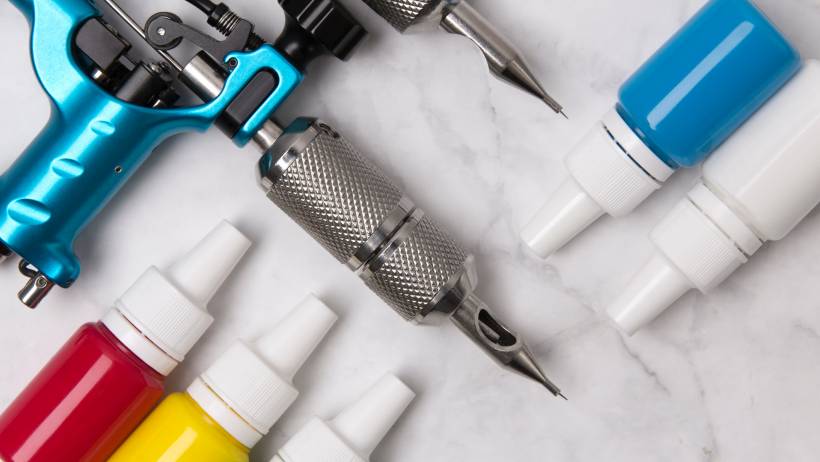 Necessary tools for tattoo artists. (Source: iStock)
Pricing your tattoo services requires balancing multiple factors to ensure profitability while remaining competitive. After all, undercharging devalues the entire industry and makes it difficult to sustain your business, while overpricing can limit your client base before you’ve established a reputation. Here are some examples:
Supplies and gear costs
Your consumable costs directly impact profit margins on every job. Tattoo needles, inks, gloves, wraps, sterilisation supplies, and PPE add up quickly across multiple clients. Single-use items like needles and tubes cost $5 to $15 per client, while inks and other supplies vary based on design size and complexity.
Mobile artists face additional supply considerations. You’ll need portable sterilisation solutions, extra PPE for varying locations, and backup equipment for reliability. These costs should factor into your mobile service rates.
Time and detail level
Complex designs require significantly more time than simple flash pieces. A small line drawing might take 30 minutes, while detailed portraits can require 6 to 8 hours across multiple sessions.
When calculating total project hours, factor in consultation time, custom design development, and client communication. Many artists also charge separately for design work.
Studio rental or mobile setup costs
Studio chair rental typically costs $200 to $500 per week, depending on location and amenities. This fixed cost affects your break-even point and influences your minimum session requirements. Calculate how many tattoos you need weekly to cover rental plus other expenses.
For mobile artists, transport expenses, parking fees, setup time, and travel between locations impact your effective hourly rate. Consider these factors when setting minimum booking requirements or service areas.
Platform/service fees
If you’re getting bookings or new clients from platforms, you should take their fees into account as well. For instance, job sites often charge service fees on completed bookings, while payment processors like Stripe or PayPal take percentage cuts of transactions. Factor these costs into your pricing to maintain desired profit margins.
Pricing models you can offer
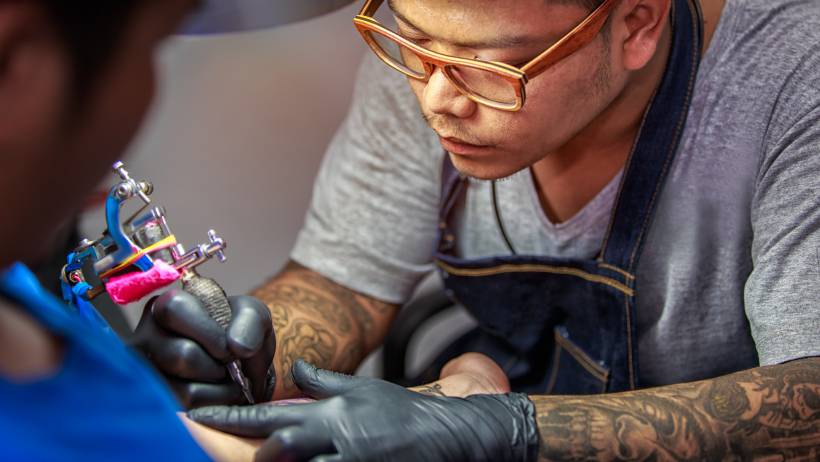 Long hours in the chair. (Source: iStock)
How much money do you make as a tattoo artist? That depends a lot on what pricing structures you use. Here are just some options for you:
Hourly rate
Hourly pricing works best for large, complex tattoos where final time requirements are difficult to estimate upfront. Most Australian tattoo artists charge $150 to $300 per hour, with rates varying based on experience, location, and specialisation.
This model protects you from scope creep and ensures fair compensation for detailed work. Communicate your hourly rate clearly and provide rough time estimates to help clients budget appropriately.
Flat rate per tattoo
Fixed pricing suits flash designs, small custom pieces, and standard add-on procedures like ear piercing. Clients appreciate knowing the total cost upfront, and you can standardise pricing for similar work.
Build a pricing chart for common tattoo sizes and styles. This streamlines the booking process and ensures consistent pricing across all clients.
Size-based pricing
Many studios use size categories like small (palm-sized), medium (hand-sized), and large (forearm-sized) to structure their pricing. This approach simplifies estimates while accounting for the primary factor affecting tattoo time and complexity.
Combine size-based pricing with complexity modifiers for detailed work. A small fine-line design might cost less than a small portrait despite similar dimensions.
Custom design
Charge separately for original artwork development, particularly for large pieces. Many artists charge $50 to $200 for custom design work, which gets credited toward the tattoo cost if the client proceeds. This model ensures you’re compensated for creative work even if clients don’t complete their tattoos.
Tattoo bundles
Package deals encourage larger bookings and help secure multiple session commitments. Offer discounts for multiple tattoos, friend groups, or session packages for large pieces requiring multiple appointments.
Bundle pricing can also include value-adds like aftercare products, touch-up sessions, or complementary services like piercing work.
How to calculate your profit margins as a tattoo artist
Understanding your true profitability ensures you make informed pricing decisions and identify areas for cost optimisation. Many artists focus on gross revenue without tracking the expenses that determine their actual take-home income.
Use this basic formula to calculate your profit per tattoo:
Profit = Total Charged - (Supplies + Equipment + Transport + Fees + Overheads) |
Here’s a realistic example:
Total charged: $500 (two medium tattoos)
Supplies cost: $60 (needles, ink, PPE, aftercare)
Equipment depreciation: $25 (machine wear, setup costs)
Transport/setup: $40 (fuel, parking, time)
Platform/payment fees: $35 (7% total fees)
Insurance/licensing: $15 (daily allocation)
Net profit: $325
Consider both direct costs (supplies used per tattoo) and indirect costs (equipment depreciation, insurance, licensing) for accurate profitability analysis. Many successful artists aim for 60 to 70% profit margins after all expenses.
How to price your services competitively
Competitive pricing requires market research and strategic positioning. You want rates high enough to ensure profitability while remaining attractive to your target clientele.
Research local market rates and competitor pricing through online portfolios, platform browsing, and direct inquiries. Note how pricing varies based on artist experience, specialisation, and location. New artists typically start 10 to 20% below established market rates while building their reputation.
Focus on value rather than competing solely on price. Highlight your unique skills, excellent aftercare support, flexible scheduling, or techniques. Clients often pay premium rates for superior service and peace of mind.
Avoid race-to-the-bottom pricing that devalues the industry. Extremely low rates suggest poor quality or corner-cutting on safety standards. Position yourself as a professional service provider worthy of fair compensation.
Lastly, consider introductory pricing for new clients or first-time tattoos. This strategy helps build your portfolio and review base while maintaining standard rates for returning clients.
Types of tattoo services you can offer
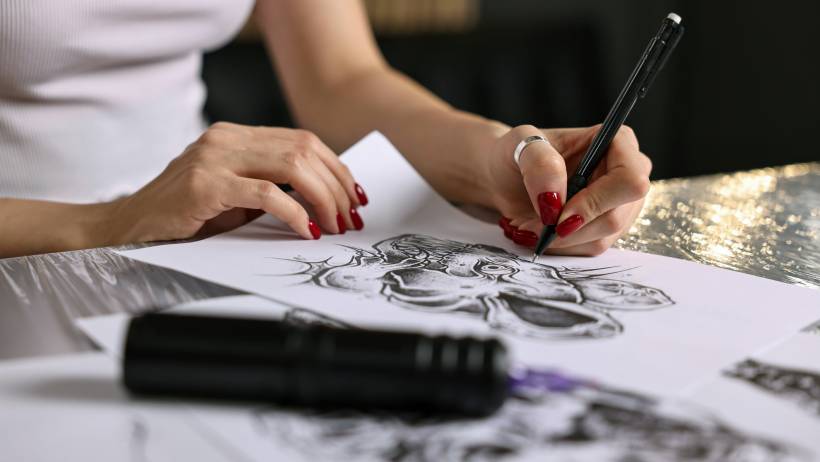 Sketching a custom tattoo design. (Source: iStock)
Diversifying your service offerings creates multiple income streams and appeals to broader client segments. The most successful tattoo artists identify profitable niches that align with their skills and market demand. Here are just some examples:
Fine line or minimalist tattoos
Fine lines are the current tattoo trend, particularly among young professionals who seek subtle, elegant designs. These tattoos require precision and artistic skill, but typically complete faster than traditional bold work. Sessions usually last 1-3 hours, making them perfect for lunch break appointments or weekend bookings.
Flash sheet walk-ins or pop-ups
Flash tattoos provide quick revenue streams during slow periods or special events. Pre-designed sheets speed up the tattooing process and appeal to spontaneous clients who haven’t planned custom work. Pop-up events at markets, festivals, or collaboration spaces also introduce your work to new audiences.
Cover-up and rework services
Cover-up tattoos require advanced skills and often receive premium pricing due to their complexity. Many clients desperately want to hide or fix poor-quality work, so they’re less price-sensitive than typical customers. However, this niche requires strong consultation skills to manage realistic expectations about what’s possible.
Cosmetic tattooing
Cosmetic procedures like microblading, lip blush, and permanent eyeliner require additional training, but you can make good money as a tattoo artist in this niche. In fact, many cosmetic artists report six-figure annual incomes.
The market skews heavily female and older than traditional tattooing. And clients typically need touch-up sessions every 12 to 18 months, so you’re guaranteed to have ongoing work.
Sell custom designs
Digital artwork sales complement your tattoo income without requiring additional time per sale. Many artists sell design prints, develop tattoo flash sheets for other artists, or offer custom artwork for clients who aren’t ready for permanent tattoos yet.
How to market your tattoo services and find clients
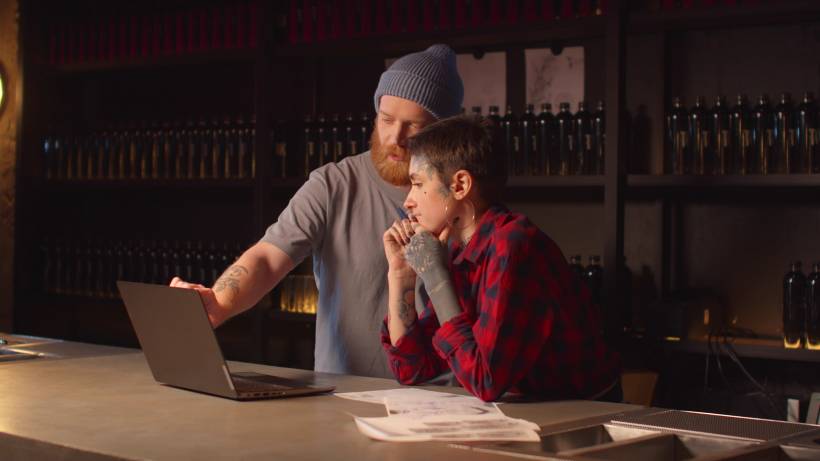 Market you tattoo business. (Source: iStock)
The most successful artists develop multiple channels that work together to maintain consistent booking levels. Here are some ideas to try out:
Freelance platforms
Freelance platforms like Gumtree and Airtasker provide direct access to clients actively seeking tattoo services. Airtasker, in particular, is known for its steady streams of customers in Australia. Plus, the platform’s review system helps build credibility quickly, while local search functionality connects you with nearby customers.
Create detailed profiles showcasing your specialties, pricing, and portfolio samples. Also, respond promptly to inquiries and maintain professional communication throughout the booking process.
Job ads or postings
Posting on local classifieds and online job boards expands your reach, too. Platforms like OzLance and even Facebook Marketplace allow you to list tattoo services under personal services or beauty categories. These listings often attract clients who are browsing for local, affordable options.
Keep ads concise but informative: highlight your style, experience, and compliance with hygiene standards. Include high-quality images of your portfolio to build trust. Then, refresh postings regularly to stay visible.
Social media marketing
You can use Instagram to display your work to potential clients who are browsing tattoo content. Post high-quality photos of completed work, process videos, and behind-the-scenes content to engage followers and demonstrate your expertise.
TikTok’s algorithm can also help you reach more people, particularly for process videos and educational content about tattoo care. Facebook groups, on the other hand, provide community engagement opportunities and local advertising options for targeting specific demographics.
Networking with local businesses and organisations
Partner with complementary businesses like barbershops, salons, and alternative lifestyle stores to cross-refer clients. Many establishments display artists' business cards or portfolios in exchange for similar promotion of their services.
You can also attend tattoo expos, art markets, and community events to meet potential clients face-to-face. These interactions often convert better than online inquiries because clients can assess your personality and professionalism right away.
Word-of-mouth referrals
Satisfied clients are your most powerful marketing tool. Exceptional service, professional communication, and outstanding results naturally generate recommendations to friends and family.
If you can, host referral programmes offering discounts for clients who bring new customers. You can also track referral sources to understand which clients generate the most business and maintain those relationships carefully.
Take it one session at a time
Starting your tattoo career doesn’t require a fully equipped studio or years of preparation. Many successful artists began with basic equipment and simple designs, gradually building their skills, reputation, and income over time. Just focus on delivering excellent service and maintaining strict hygiene standards from your very first client.
Ready to earn money as a tattoo artist? Airtasker offers an accessible starting point for you. The platform connects you with local clients and provides review systems that can build your credibility quickly. Sign up and become a Tasker to find your next job!
Learn more about our contributors
Written by Angela A.
Staff Writer
Angela Apolonio is an experienced writer with a Biology background. She writes about home tips, car upkeep, gardening hacks, and food facts, bringing a unique blend of science and practicality to her work. As a wife and a mother, she knows the value of iron-clad routines, so she's passionate about sharing what works for her with everyone else. She loves making everyday life simpler and helping readers find fresh ideas to bring more joy into their spaces.
FAQs on making money as a tattoo artist
Australia doesn’t require formal degrees, but most states mandate infection control and skin penetration training before licensing. Apprenticeships (1–3 years) and cosmetic tattoo courses are common entry pathways.
It can be a lucrative career, especially if you work in major cities and are diligent in marketing yourself. Potential clients get to know their tattooists through word-of-mouth, so showcase your talents online and offline to make you more visible!
Yes, all states and territories require licensing or registration, often involving criminal checks and hygiene training. Councils may also require permits, inspections, and ongoing compliance monitoring.
Yes, but you must meet the same hygiene and safety standards as studios and obtain council approval. Home setups usually require inspections, permits, and compliance with zoning or body corporate rules.
Tattoo artists average $28 per hour, with rates ranging from $22 to $80 depending on experience and reputation. Cosmetic tattooists often earn $300 to $700 per session.
Studio setup costs range from $15,000 to $30,000 for equipment, supplies, and licensing. Ongoing costs include weekly rent ($200 to $500), insurance, and licensing renewals, while mobile setups cost less but require portable gear and transport.
Create your profile and start browsing jobs in minutes
Start earning now
Related price guides