Hot weather safety tips for pets: What every dog and cat owner should know
Keep your furry mate cool, safe, and happy through scorching days
Last Updated on
Key Takeaways
Some breeds, coat types, ages, and health conditions can make pets more vulnerable to the Australian summer, so tailor your care routine to their individual needs.
A healthy coat can help protect pets from direct sunlight and heat, so regular grooming may be a better way to keep them comfortable than shaving their fur.
Hiring a trusted pet care professional for dog walking, pet sitting, or grooming can help keep your pet safe and comfortable when life gets busy.
If the Australian sun has you reaching for the air-con, imagine experiencing it in a fur coat. For dogs and cats, a hot day can quickly go from uncomfortable to dangerous. Humidity, scorching surfaces, and dehydration are just some of the seasonal risks that can leave pets struggling to stay safe and comfortable.
Fortunately, a few practical precautions can make a big difference. These hot weather safety tips for pets will help you protect your furry companion, so you can enjoy the summer months knowing they are better prepared for whatever the season brings.
1. Manage heatstroke in pets
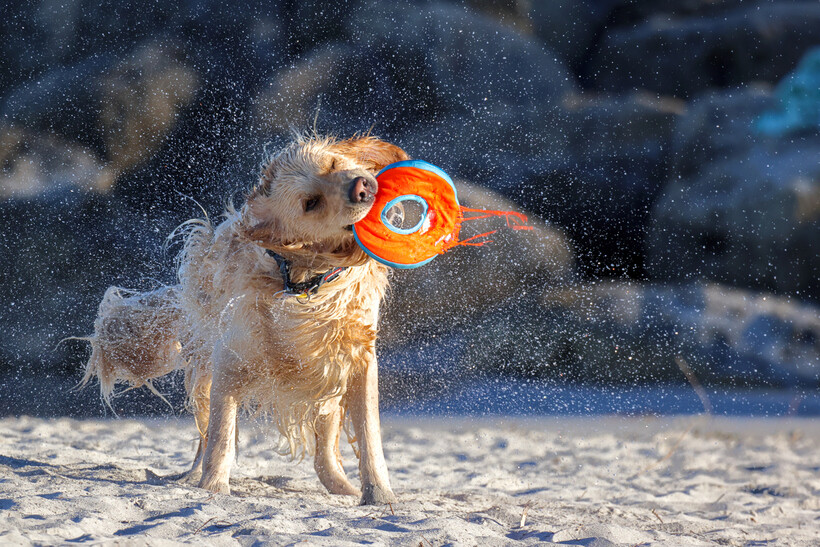 Dog cooling off in water on a sandy beach (Source: iStock)
Our furry friends have their own ways of regulating their body temperature, which is very different from ours. Heatstroke in dogs and cats is common, so pet safety deserves just as much attention as our own comfort. Here are the main causes to watch for:
Hot and humid places with poor ventilation (such as being in a car or a windowless room)
Limited or no access to shade
Lack of fresh drinking water
Excessive movement in a hot environment
One easy tip for how to keep pets cool in summer: keep fresh drinking water available throughout the day. Keep them in a well-ventilated part of the house, and make sure outdoor dogs have access to shade. Consider hiring a pet sitter to check in on your furry companion if you’ll be away on particularly hot days.
Exercise is still important for your dog’s health, but check the temperature forecast before heading out for a walk. Choose the coolest time of day, when the ground isn’t scorching underfoot.
When travelling with pets, never leave them unattended in the car, even for a few minutes. The weather may be relatively mild, but the temperature can easily rise inside the vehicle, making it intolerable for your furry ones.
If you don’t know how to treat heatstroke in dogs, don’t panic. When this happens, move them to a cool, shaded area immediately. Then start cooling them with cool or tepid water (not ice-cold water) while arranging immediate veterinary care.
Knowing the main signs of heatstroke in dogs can help you avoid the worst-case scenario:
Excessive panting
Breathing difficulties
Drooling and salivating
Restlessness and agitation
Extremely red or pale gums
Vomiting and diarrhoea
Disorientation or altered behaviour
Lethargy
Seizures and collapse
2. Know your pet’s heat risk
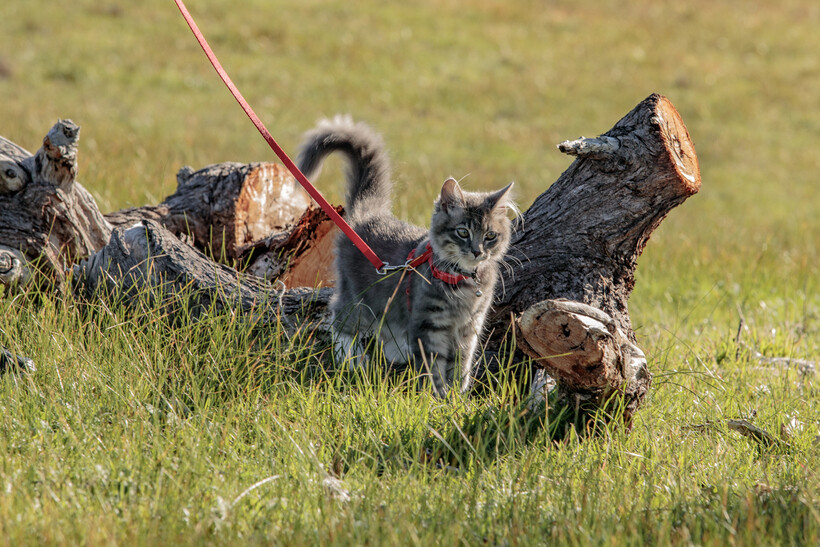 Fluffy cat in a harness outdoors in warm sunny conditions (Source: iStock)
Hot weather safety tips for pets can vary by breed, since some breeds handle heat better than others. So it’s important to know if your furry friend is vulnerable to the Australian summer.
Pets at higher risk of heat-related illness include breeds with shortened airways, animals with thick or long coats, pets with little to no fur, overweight pets, and those with underlying heart or respiratory conditions.
For dogs and cats in particular, some breeds are more susceptible to heat, including:
Dog Breeds |
Cat Breeds |
|---|---|
|
|
For all breeds, it’s also important to pay extra attention to elderly, obese, or very young pets.
3. Think twice before shaving your pet
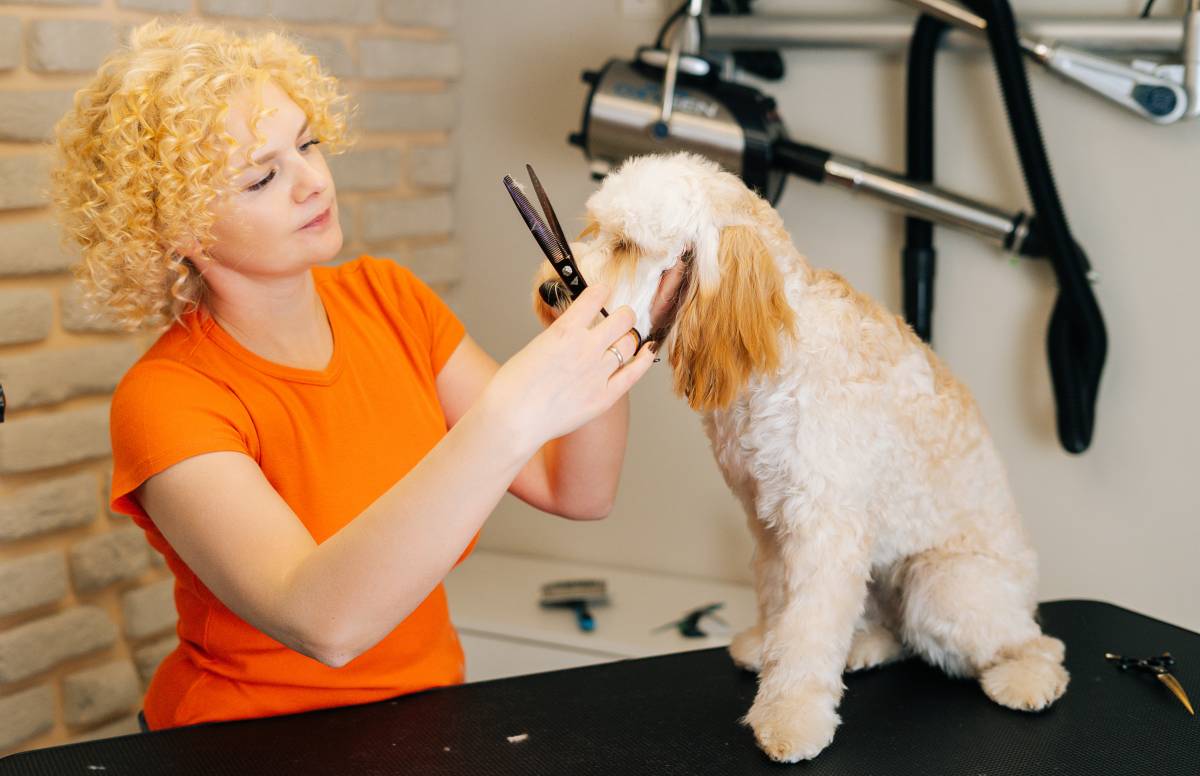
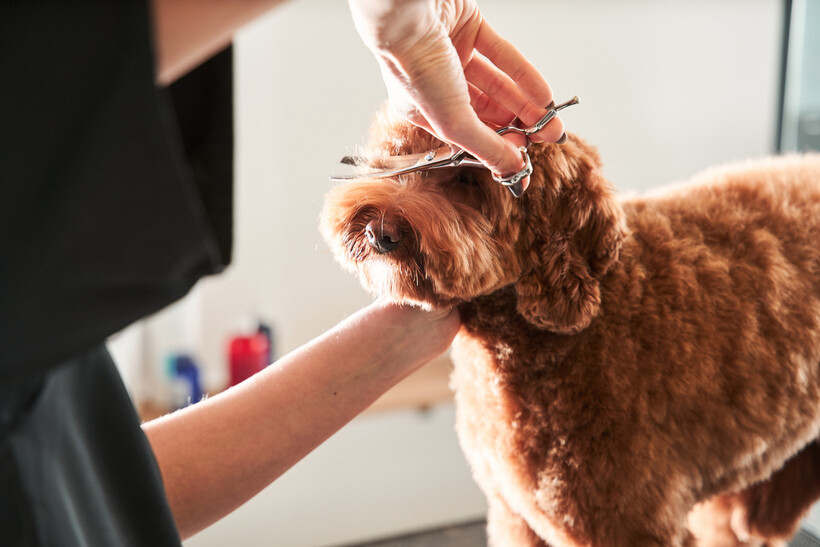 Dog receiving a professional groom at a salon (Source: iStock)
We’d do anything to make our pets feel comfortable. But is shaving them in summer a good idea? It might seem like a no-brainer, but your pet’s hair isn’t like a human’s. While there are some exceptions, most pet grooming professionals recommend against shaving your dog’s or cat’s fur altogether.
Shaving may seem like an obvious way to keep pets cool, but it isn’t suitable for every dog or cat. Whether clipping or shaving is appropriate depends on your pet’s breed, coat type, health, and individual needs.
A healthy coat also helps protect skin from direct sunlight and insulates against heat. Shaving some dogs very short can increase their exposure to direct sunlight and may raise the risk of sunburn, particularly in dogs with light-coloured skin or fur.
The same applies to cats. Shaving may also seem like an obvious solution if you’re thinking about how to keep cats cool in summer. Like a dog’s coat, a cat’s coat helps protect its skin and provides insulation. Grooming and clipping needs still vary by individual cat and coat, and shaving can interfere with the fur’s protective and insulating functions.
Of course, there are exceptions to the rule, especially with dogs. But it’s less about shaving and more about grooming. Some older dogs may need extra help with it, as do dogs with heavily matted coats or certain skin conditions such as hot spots or myiasis. In these cases, it’s best to first consult your vet and consider hiring a professional groomer.
4. Watch for snake and tick bites
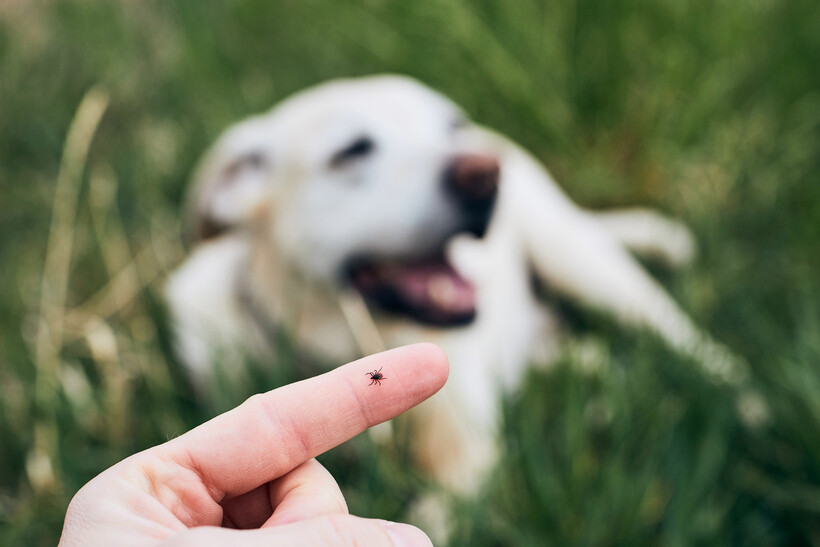 A small tick on a fingertip after being found on a dog (Source: iStock)
Snake bites
Snake bites are among the hot weather safety tips for pets that are often overlooked. Snakes can become more active during warmer weather, and may be found lurking in bushland, long grass, rock piles, woodpiles, and other sheltered areas. Keeping your grass short, removing debris piles where practical, and keeping your dog on a lead in snake-prone areas can all help protect them from this threat.
If you already suspect your dog has been bitten by a snake, go to the vet immediately without waiting for symptoms to appear. Their venom can cause serious illness, and early treatment gives your pet the best chance of recovery.
Common dog snake bite symptoms can include:
Sudden weakness or collapse, sometimes followed by an apparent recovery
Shaking or muscle twitching
Vomiting
Weakness or wobbliness
Loss of bladder or bowel control
Dilated pupils
Paralysis
Difficulty or rapid breathing
Bleeding from the nose, mouth or bite site
Dark or bloody urine
Keep your pet as calm and still as possible while travelling to the vet. If you can safely identify the snake from a distance, let your vet know, but don’t attempt to catch or kill it. You should also avoid washing the bite site or applying a tourniquet.
Tick bites
Tick season in Australia varies by location and tick species. Paralysis ticks are found mainly along the eastern seaboard. They’re generally more active during warmer and more humid periods. In northern areas, however, paralysis ticks may be present year-round, while in more southern areas, tick activity typically increases from spring and can continue into late autumn.
If ticks are a recurring problem around your home, consider hiring a pest control expert to help manage tick-prone outdoor areas. Professional support can complement regular tick prevention and checks, so you can reduce potential risks around your property.
A tick bite on a dog can be particularly dangerous if it’s from a paralysis tick. As it feeds, the tick can inject a toxin affecting the nervous system and may cause progressive paralysis.
Signs of tick paralysis can include:
Weakness or wobbliness in the back legs
Difficulty standing or getting up
A change in your dog’s bark or voice
Retching, coughing, or gagging
Vomiting
Excessive drooling
Loss of appetite
Progressive weakness or paralysis that spreads to the front legs
Difficulty or rapid breathing
Grunting noises while breathing
Check your dog regularly for ticks, particularly after spending time in the bush or scrubland. Although ticks can attach anywhere on the body, pay close attention to the face, ears, neck, chest, legs, and between the toes.
If you find a tick or notice any signs of tick paralysis, remove the tick promptly and contact your vet immediately. Keep your dog calm and comfortable, and don’t give them food, water, or anything by mouth if they’re showing symptoms, as difficulty swallowing can increase the risk of choking or aspiration.
5. Prepare a bushfire safety plan
 Dog staying close to its owner in a dry outdoor setting (Source: iStock)
If you live in a bushfire-prone area, having a plan for your pets is essential. Check the guidance from your state or territory fire authority, and make sure your pets are included in the plan.
Prepare an emergency pet kit and place it in an accessible area to ease evacuation when needed. A reliable emergency pet kit includes items such as the following:
enough food and water
a lead or harness
blankets
identification and microchip details
veterinary records
any specific medicine or supplies required for your pet
Keep your pet safe and comfortable for summer
Summer should still be enjoyable for your four-legged friend. Take sensible precautions, keep an eye on the forecast, and adapt your pet’s routine to the conditions, because knowing how to keep pets cool in summer is one of the best ways to help them stay safe and comfortable.
Need an extra pair of hands? Find a pet care professional on Airtasker for help with everything from dog walking and pet sitting to grooming. Professional support can make it easier to stay on top of your pet’s routine and put practical measures in place for how to keep pets cool in summer, even when life gets hectic.
Frequently asked questions
Early signs of heat-related illness in dogs include excessive panting, rapid breathing, drooling, and restlessness. As their condition worsens, they may become weak, lethargic, or unsteady, and could vomit or collapse. Treat this as an emergency and contact a vet immediately.
A tick bite on a dog may appear as a small, dark or greyish tick attached to the skin. After it’s been removed or has detached, you might notice a small red bump or irritated patch. However, paralysis ticks are different and can be difficult to spot because they may hide beneath your dog’s coat.
Some dogs may survive a snake bite, but you should never wait to find out. Snake venom can cause life-threatening illness. Symptoms may develop quickly or appear after an initial period in which your dog seems to recover, so take your pet to the vet immediately.
Yes, wetting a dog with cool or tepid water can help them lose heat, particularly when combined with moving them to a cool, well-ventilated area. If you suspect heatstroke, start cooling them and seek veterinary attention immediately rather than relying on water alone.
Cooling mats may help provide pets with a cooler place to rest, offering some relief on a hot day. But keep in mind that they’re not a substitute for shade, fresh water, and good ventilation.
Find pet care experts, fast
Find a pet care expert