- Home/
- Comparisons/
- Buffet Catering/
- Plated vs Buffet Catering
Buffet or plated catering: Which dining experience suits your event?
Choose between a formal sit-down meal and a social self-service buffet
Published on

Written by Ma. Donna Dane B.
Contributor
Read more about our contributor
Key Facts
Plated catering is a dining experience where guests are seated as they’re served various courses of plated food.
Buffet catering is a dining style where guests can visit various food stations and serve themselves from the dishes they choose.
Planning an event is always exciting, especially when it’s for a special occasion like a wedding, milestone birthday, or work function. But let’s be honest: it can also feel a bit stressful, particularly when it comes to deciding what kind of food service will work best for your guests.
Should you go for a plated meal, where everyone enjoys a set menu served to their tables, or a buffet that offers more flexibility and variety? When choosing between buffet or plated food service, you have to consider their strengths, and the right choice will usually depend on your event’s tone, guest list, and budget.
In this guide, we’ll break down the key differences between plated vs buffet catering, so you can plan a dining experience that suits your event perfectly.
What is plated catering?
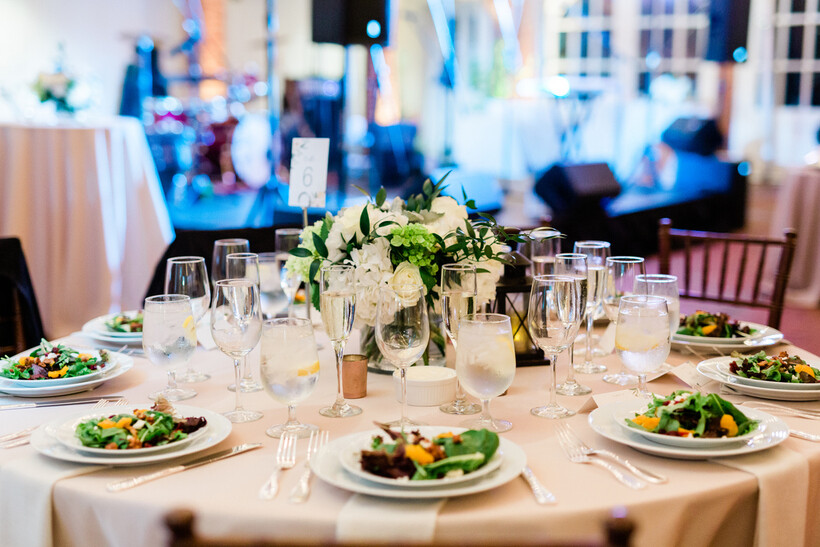 A beautifully arranged sit-down meal table (Source: iStock)
Plated catering is the classic sit-down dining experience you’ll often find at formal events like weddings, corporate dinners, and gala evenings. In this style of service, guests remain seated while waitstaff bring pre-plated courses directly to their tables.
A plated meal usually consists of multiple courses—think entrées, mains, and desserts—all elegantly presented and served in sequence.
What is buffet catering?
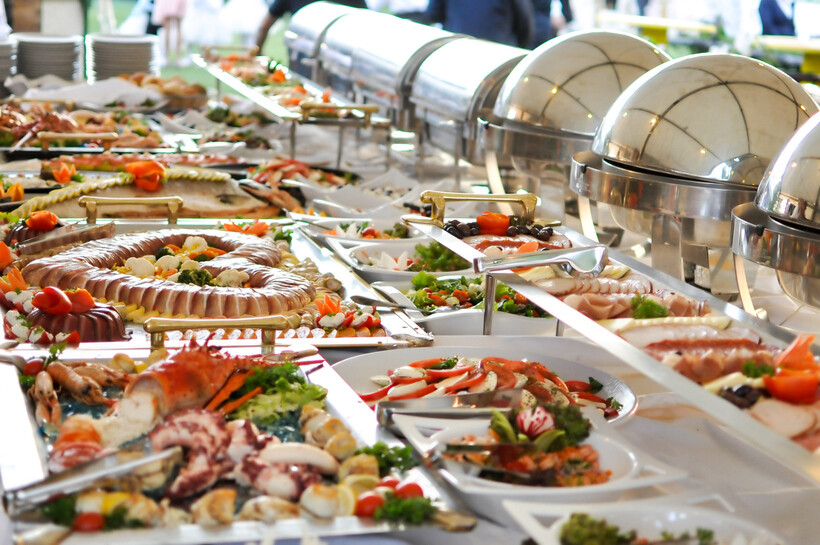 Freshly prepared food at a buffet station (Source: iStock)
Buffet catering offers a more relaxed and interactive dining experience, perfect for birthdays, engagement parties, family reunions, and casual celebrations. Food is laid out on long tables or stations, and guests serve themselves or are helped by catering staff.
Buffets usually feature a wide variety of dishes, allowing guests to pick and choose what they fancy and go back for seconds (or thirds!) if they like.
Buffet or plated catering: What are the differences?
Now let’s dive into the details. Here, we’ll talk about how plated and buffet event catering services differ based on style, menu, and more.
In terms of the service style
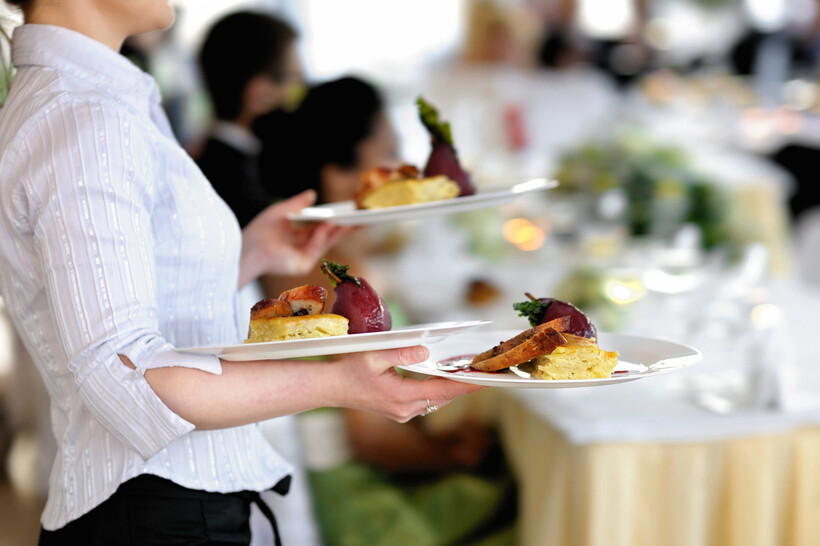 Professional table service for a seated meal (Source: iStock)
With plated catering, guests remain seated as waitstaff serve each course directly to their tables. This creates a more formal and structured dining experience, perfect for elegant events where you want things to run on a set schedule.
In contrast, buffet-style service encourages a more social atmosphere. Guests can move around food stations, choose their own portions, and mix and match dishes. This self-service setup works well for events with a relaxed or festive vibe.
In terms of formality
Plated catering tends to be more formal than buffet catering. The structured service, beautifully plated courses, and attentive staff contribute to a refined and elegant atmosphere. This makes it a popular choice for high-end events where a touch of sophistication is essential.
Buffet-style catering is generally more relaxed and casual. It naturally encourages guests to mingle and move around, creating a friendly atmosphere. It’s perfect for outdoor functions, birthdays, and community events where a sit-down meal might feel a bit too stiff. Wedding buffet catering is even popular for wedding receptions that lean more towards fun than formal.
In terms of menu variety
 Eating a meal with a variety of menu choices (Source: iStock)
Different types of buffet service catering usually take the spotlight when it comes to menu variety. With a buffet, guests can enjoy a wide selection of dishes, from mains and sides to salads and desserts. This setup is fantastic for accommodating different tastes and dietary preferences, as guests can pick and choose exactly what they want. It also adds a fun, exploratory element to the dining experience.
Plated catering, on the other hand, offers a more curated dining experience. The menu is typically limited to a few pre-selected options for each course, ensuring consistent portion sizes. While the choices may be fewer, the focus is often on quality and presentation, making it a strong choice for events where you want to impress with sophisticated meals.
In terms of guest experience
Plated catering offers a refined guest experience. With each course served directly to their table, guests can sit back, relax, and enjoy beautifully presented dishes. This service style encourages conversation at the table and allows guests to fully immerse themselves in the event without interruptions. You can even consider hiring a baker vs pastry chef to elevate the dining experience further.
Buffet service catering, by contrast, is more dynamic and interactive. As guests explore food stations at their own pace, they often have conversations as they move about and choose their meals. This style works well for social events where mingling is encouraged.
In terms of planning
 Planning and checking catering for an event (Source: iStock)
Plated service requires more planning and coordination. You’ll need to finalise a set menu in advance, confirm meal choices with guests, and provide seating arrangements to ensure smooth service. The caterer also needs to carefully time each course to maintain a steady flow throughout the event. While it takes more upfront organisation, the result is a well-structured dining experience.
Buffet meals offer more flexibility in the planning process. Since guests serve themselves, there’s less need for strict seating arrangements or pre-selected meals. Caterers typically focus on preparing a variety of dishes and setting up food stations efficiently. This relaxed approach makes buffets easier to manage for events with larger, diverse guest lists or when you want to keep things low-key.
In terms of cost
Cost is often one of the biggest factors to consider when deciding between types of catering. Plated catering often comes with a higher price tag due to the need for more staff, precise portioning, and elegant presentation. The cost typically includes table service, multiple courses, and sometimes premium ingredients, making it a more luxurious option suited for formal events.
Buffet catering is generally more budget-friendly. With fewer serving staff required and the ability to prepare food in larger quantities, caterers can keep costs lower. Buffets also tend to reduce food waste by allowing guests to choose their portions.
In Australia, the average cost of buffet services is around $60 per person, while plated catering costs approximately $75 per guest.
Maximise your event planning with Airtasker
With all the things you’ve learned about plated and buffet catering so far, you can now consider your style, budget, and number of guests to choose which one could best serve your event. Let Airtasker make your life easier by introducing you to local pros in Australia who can satisfy your party needs, whether it’s a formal sit-down dining experience or a casual interactive buffet service.
Browse through available Taskers, read their reviews, and book your perfect caterer with ease. Let them handle the food while you focus on everything else that will make your event extra special.
Learn more about our contributors
Written by Ma. Donna Dane B.
Contributor
Donna is an experienced writer and editor with expertise in web content, help guides, documentation, and academic research. She's written professionally for companies and nonprofit organizations in the elearning, agriculture, food, and beauty. Outside of work, Donna explores small business baking, AI governance research, and long-distance running, which influence her writing.
Plated vs Buffet Catering
Plated Catering |
Buffet Catering |
|
|---|---|---|
Service Style |
Dishes are served directly to the tables. |
Guests go to buffet stations to get their food. |
Formality |
Features formal, structured, and sophisticated service |
Offers a more relaxed and casual vibe |
Menu Variety |
Curated dining experience |
Wider selection of dishes |
Guest Experience |
Refined and immersive guest experience |
Dynamic and interactive guest experience |
Planning |
Meticulous planning and coordination |
More flexible planning process |
Cost |
$75 per person |
$60 per person |
FAQs on plated and buffet catering
A party food buffet table should offer a variety of dishes to suit different tastes and dietary preferences. Popular options include finger foods like sandwiches, wraps, and sliders, along with hot dishes such as pasta, meatballs, or roasted vegetables. Salads, dips with chips or crackers, and fruit platters are great for lighter options. A dessert table with cakes, pastries, or bite-sized treats can also help to round out the menu.
Plated service involves pre-plated meals being served directly to guests at their tables. Silver service, on the other hand, is a more formal and traditional style where wait staff serve food directly from platters to each guest’s plate at the table. Silver service requires more skill from the waitstaff and is typically reserved for very formal occasions.
You typically need at least 2-3 plates per guest for a buffet. This ensures enough plates for guests who may return for seconds or require a fresh plate for desserts. Having extra plates on hand helps maintain hygiene standards and keeps the buffet flowing smoothly.
Find buffet catering experts, fast
Post a task