A guide to low-flow taps and toilets: Save water, save more
Make smarter choices before replacing your bathroom fixtures
Published on
Key Takeaways
Low-flow taps use less water while maintaining a comfortable stream, while dual-flush toilets let you choose between a reduced and full flush.
Compare the WELS rating and water-consumption figures to find a fixture that balances efficiency with the performance you need.
Repair dripping taps and leaking toilets promptly because even seemingly minor leaks can waste thousands of litres of water each year.
Get professional help with installation and repairs so your fixtures are fitted correctly, safely, and in accordance with Australian plumbing standards.
Your water bill might be telling you something. If you’re renovating the bathroom or kitchen, swapping out old fixtures is one of the simplest ways to use less water without changing your routine. Modern low-flow taps and toilets make every drop go further, so choosing new tapware or a toilet is a natural moment to make water efficiency part of the decision, too.
But what is a WELS rating, and how can it help you choose? The Water Efficiency Labelling and Standards (WELS) scheme gives water-using products a star rating based on efficiency, making it easier to compare fixtures at a glance. This guide covers flow rates, WELS stars, performance and installation, so you can choose low-flow taps and toilets that work for your home and your budget.
What are low-flow taps?
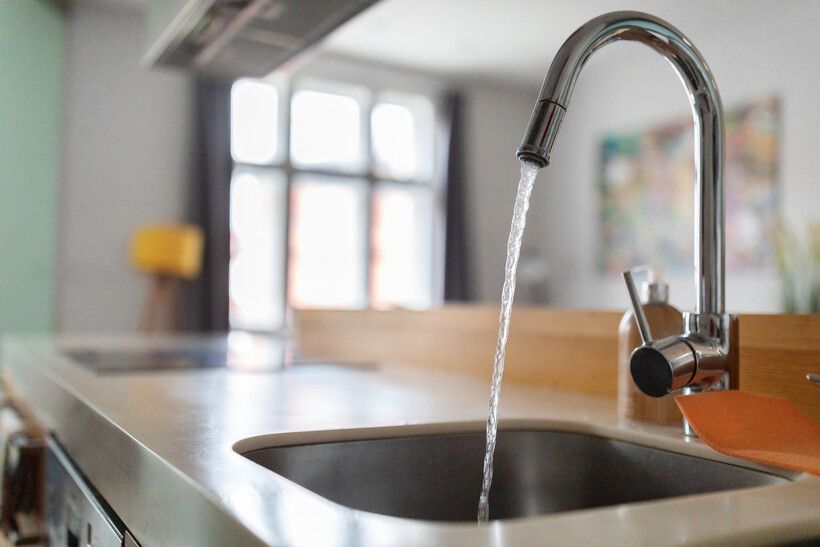 Chrome kitchen tap running water into an undermount sink (Source: iStock)
Low-flow taps may sound like they deliver weak water pressure, but that isn’t necessarily the case. They’re designed to cut the amount of water passing through the tap while keeping a comfortable, practical stream, often with the help of an aerator: a small device that mixes air into the water to create a fuller-feeling flow using less of it.
Benefits of low-flow taps
Older or unrestricted taps can use around 20 litres of water per minute, while highly efficient taps can use considerably less. The current WELS rating for taps is at least three stars, which means a flow rate of nine litres per minute. More stars generally indicate greater water efficiency, although the maximum rating varies between product types. For taps, six stars is currently the highest rating.
WELS applies to specific water-using products, including taps, showers, toilets, urinals, flow controllers, dishwashers and washing machines. So rather than covering every water-related product you might buy, the scheme applies only to this defined list.
What are low-flow toilets?
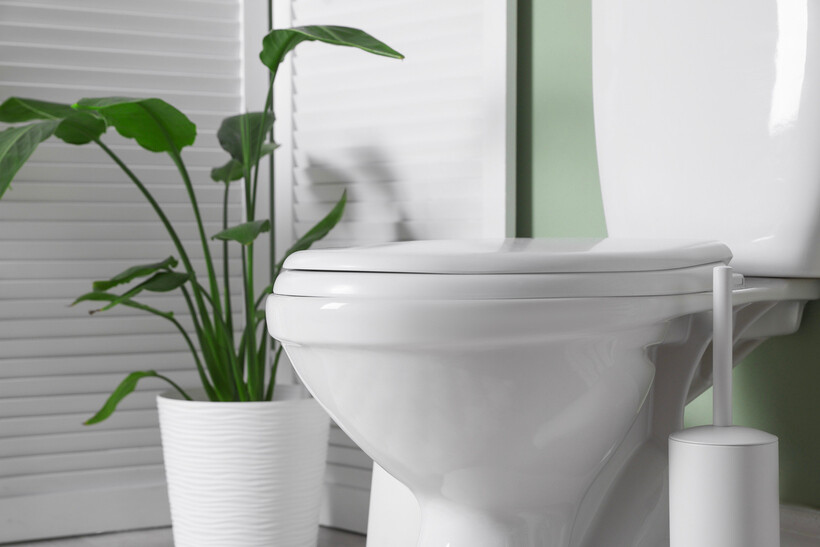 A modern white toilet in a bright bathroom setting (Source: iStock)
Toilets can account for a significant share of household water use, especially older models that use larger volumes of water (nine litres or more) per flush. Low-flow toilets address this the same way low-flow taps do: by cutting water use while keeping flushing performance effective. For this reason, they make a practical option when replacing an older toilet.
Benefits of low-flow toilets
Choosing a low-flow or water-efficient toilet can meaningfully cut how much water you use with every flush, particularly if you’re replacing an older, high-volume model. Older single-flush toilets can use nine litres or more per flush, while modern water-efficient toilets offer different flush volumes so you use only what you need.
Water-saving toilets span a range of price points, from straightforward models to premium designs with extra features and finishes. Beyond the aesthetics, also weigh up the toilet’s WELS rating, flush volumes, dimensions and features.
How dual flush toilets work
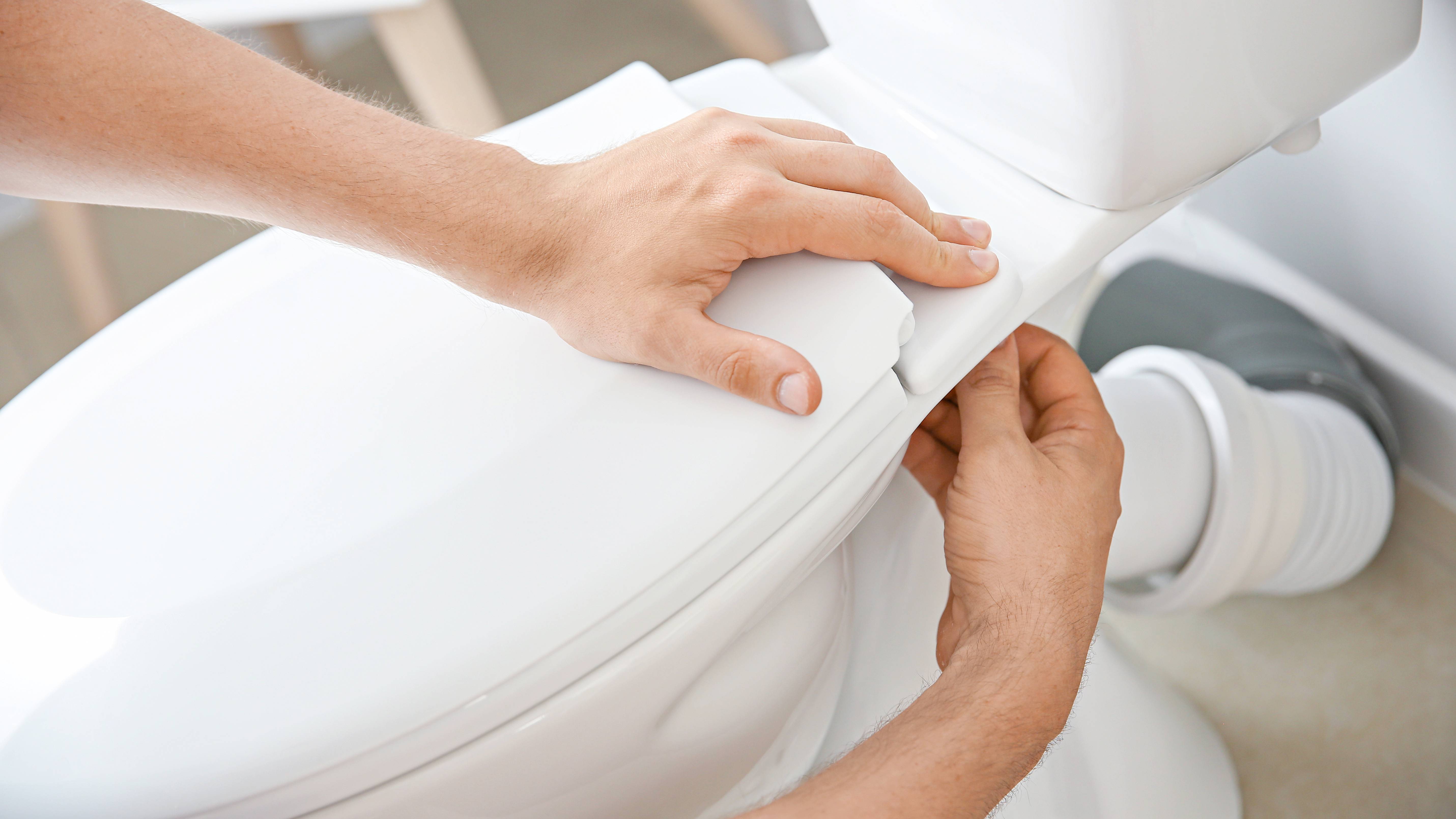
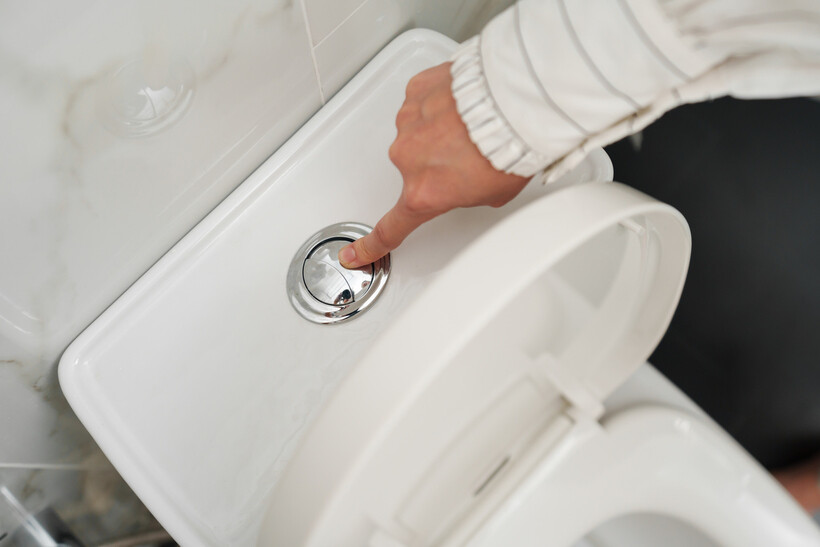 Selecting a flush with a two-button cistern mechanism (Source: iStock)
The dual-flush toilet mechanism is widely used in Australia and gives you two flushing options: a reduced flush for liquid waste and a full flush for solid waste. The two buttons let you select the appropriate flush instead of using the same amount of water every time.
On a typical dual-flush toilet, the reduced flush uses three litres, and the full flush uses six litres. More water-efficient models use dual-flush toilet buttons for other volumes, such as 4.5 litres and three litres, so it’s worth checking the WELS label when comparing toilets. The label shows a toilet’s average, full and half-flush water consumption, giving you a clearer picture of what to expect.
Buying a low-flow toilet
Aside from WELS rating and flush volumes, here’s what else to weigh up:
Colour: Choose a finish that complements the rest of your bathroom.
Height: Consider the toilet’s height and whether a standard or raised design is more comfortable for your household.
Extra features: Look for extras such as heated seats or integrated bidet functions if they’re useful to you.
Pan shape and size: Make sure the toilet suits your bathroom layout and available space.
Flush noise: Consider the noise level if the bathroom is close to bedrooms or living areas.
Once you’ve bought your toilet, have it installed by a professional. Toilet installation typically costs $100 to $275, depending on the size of the item and the difficulty of the work.
How to save water at home
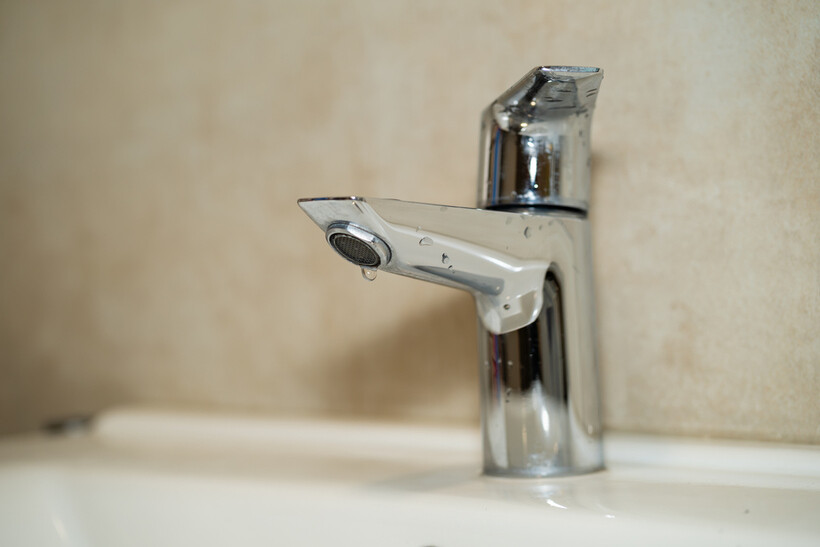 A bathroom tap fitted with a water-saving aerator (Source: iStock)
Here are a few water-saving tips:
Install water-saving kitchen taps, or other water-efficient taps and flow controllers, on your bathroom basins and kitchen sinks. Check the WELS rating to find an option that balances water savings with the flow you need for each fixture.
Reduce hot-water use where practical. Taking shorter showers and avoiding running hot water unnecessarily can reduce both water use and the energy required to heat it.
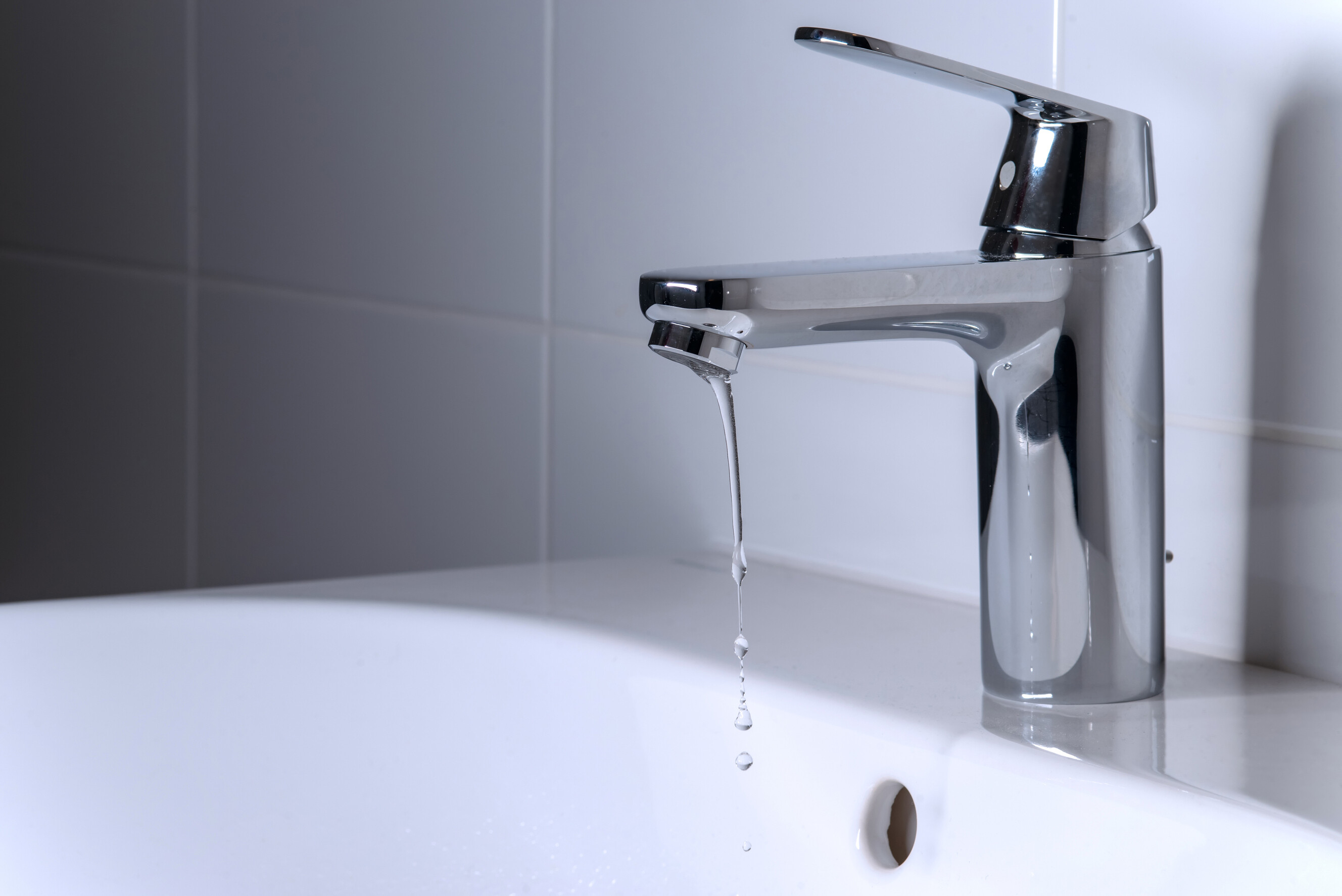
Turn taps off when you’re not using them and check regularly for leaks. A running tap without a flow controller can use more than 16 litres of water per minute, while a tap dripping once a second can waste more than 12,000 litres of water per year.
Even a small leak can waste thousands of litres of water over time, so it’s worth getting leaks fixed promptly. Water-efficient taps and toilets can make a meaningful difference to household water use, but like any plumbing fixture, they still need to be used appropriately and kept in good working order.
Put the installation in capable hands
Turn a simple bathroom upgrade into a smarter investment by choosing fixtures that help you use water more efficiently. From everyday taps to modern toilets, low-flow fixtures can cut your home’s water use without asking you to compromise on convenience.
Make installation one less thing to worry about. Find a skilled plumber in your area on Airtasker and let an experienced professional handle the job. Get quotes, compare reviews, and choose a Tasker who can install your fixtures with care, so you can feel confident everything is connected and working as it should.
Frequently asked questions
No, low-flow toilets don’t inherently clog easily when properly installed and used. Modern low-flow toilets are designed to flush effectively while using less water, though unsuitable toilet paper or flushing inappropriate items can cause blockages. Poor installation can also clog the toilet. So, to have peace of mind, have it done by a professional toilet installer.
The main disadvantage of low-flow toilets is that some models may have less flushing power than older, higher-volume toilets, particularly if the toilet is poorly matched to the pan or plumbing system. However, modern WELS-rated models are designed to balance water savings with performance, with four- and five-star toilets generally offering a good balance between efficiency and performance.
Yes, a low-flow toilet can usually be repaired if it is running, leaking, flushing poorly, or experiencing another plumbing fault. Depending on the problem, a plumber may adjust the flush mechanism, replace worn components, or clear a blockage.
For more complex issues, Australian plumbing work should be carried out by an appropriately licensed plumber.
Start by checking whether the dual-flush toilet cistern mechanism or the button is sticking, then inspect the inlet valve, outlet seal and water level for signs of a fault. If the toilet continues running after these checks, have a plumber inspect and repair the mechanism, as a faulty toilet can waste significant amounts of water over time.
Find plumbers, fast
Find a plumber