- Home/
- Comparisons/
- Electricians/
- Electrical Fitter vs Electrician
Electrical fitter vs electrician: What’s the difference?
Comparing electrical fitters and electricians based on project scope, skill level, and more
Published on

Written by Milafel D.
Contributor
Read more about our contributor
Key Facts
- An electrical fitter is a skilled tradesperson who installs, maintains, and repairs electrical equipment and systems in buildings, factories, and other structures.
- An electrician is a licensed professional who specialises in installing, maintaining, and repairing electrical wiring systems, usually in residential areas.
Of the different types of electricians in New Zealand, which should handle your project? This guide breaks down two of the most commonly confused roles: electrical fitter vs electrician.
Whether you’re installing or repairing electrical fittings at home, modifying circuits, or planning a larger electrical project, knowing which professional to hire matters. This guide explains the key differences, enabling you to choose the right expert.
What is an electrical fitter?
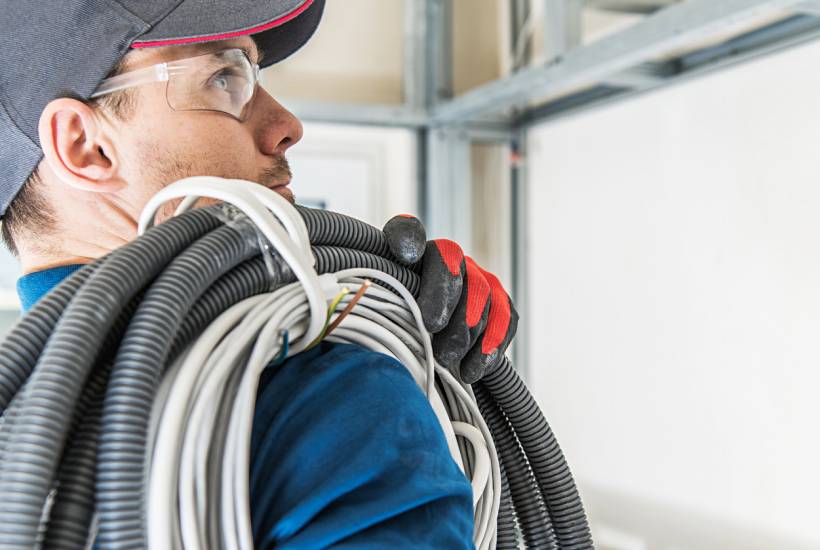 Electrical fitter with cables and protective gear at a commercial installation site (Source: iStock)
We define an electrical fitting expert as an electrician with a highly specialised licence and expertise. Although they can also install wiring, they are usually responsible for developing, modifying, and repairing industrial or complex electrical components, such as circuits. They can also work on motor and generator repair. Most are in industrial or commercial settings, such as offices, healthcare facilities, and factories.
What is an electrician?
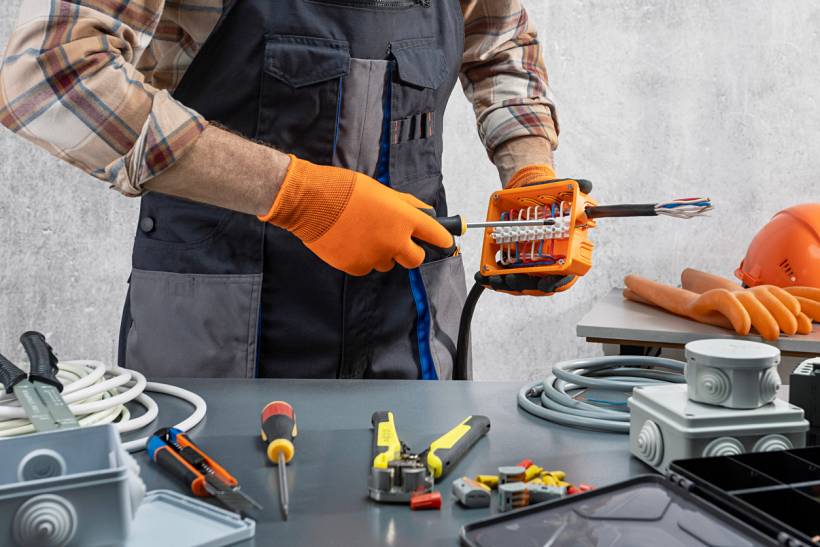 Organised workstation setup as an electrician works on electrical component assembly (Source: iStock)
What do electricians do? They are skilled professionals who install, maintain, and repair electrical equipment, mainly in residential properties. Their work can include wiring new buildings and troubleshooting complex electrical issues, such as wet electrical outlets.
Electricians are responsible for keeping electrical systems safe, efficient, and up to code. They read blueprints, install wiring and lighting fixtures, and connect electrical equipment to power sources.
Electrician vs electrical fitter: Which is better for your needs?
At first glance, it is challenging to know the difference between an electrical fitter and an electrician, so let’s further break down these roles into categories:
In terms of project scope
The electrician has a broader role than an electrical fitter, but what is the job of an electrician? They frequently work in homes, apartments, and other residential settings. Their projects may involve:
Installing and updating household wiring systems
Setting up lighting fixtures and ceiling fans
Wiring for home appliances like stoves, air conditioners, and water heaters
Installing and maintaining solar panels and home security systems
Emergency repairs due to power outages, short circuits, or electrical fires
Installation and maintenance of fire alarm systems
Network cabling
Electricians are also integral to new building projects, where they read and interpret blueprints and ensure compliance with local building codes.
Meanwhile, what does an electrical fitter do? Their functions are more specialised, precise, complex, and sometimes large-scale. They primarily work in factories, plants, and other industrial settings. Their projects often involve installing and maintaining industrial electrical systems and machinery, setting up and repairing conveyor systems, and refitting electrical wiring for HVAC systems and elevators.
They can also assemble, modify, and repair larger equipment and electrical control circuits, such as the following:
Industrial motors and generators
Switchgear and circuit breakers for high-power applications
Programmable logic controllers (PLCs)
Industrial automation systems
Multiple path circuits
Another distinct job of an electrical fitter is upgrading industrial processes to improve efficiency, add new capabilities, implement energy-saving measures, or comply with industrial safety standards.
In terms of tool and material range
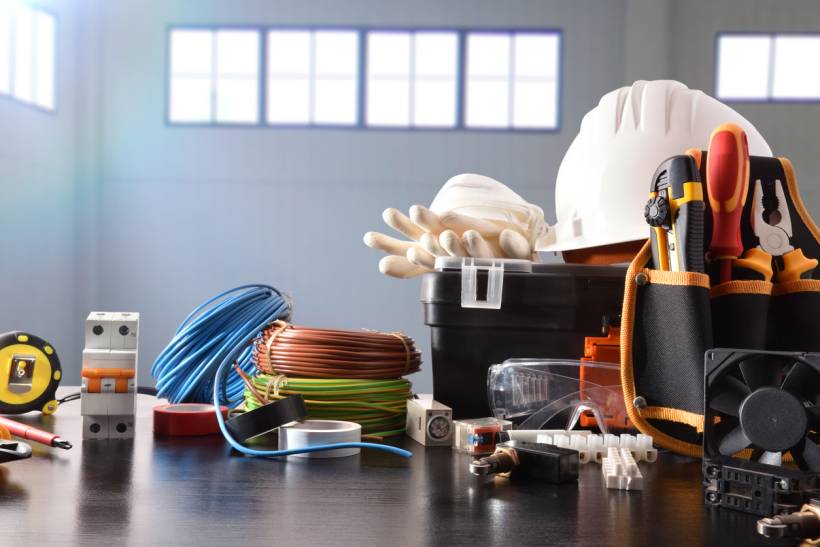 Equipment used by both electrical fitters and electricians, including cables, tools, and a hard hat (Source: iStock)
Electricians typically work in residential and light commercial settings. Their work focuses on installing, maintaining, and repairing household electrical systems, including wiring, power points, lighting, switchboards, and circuit protection.
They also handle low-voltage systems, like doorbells, thermostats, and basic security wiring, using standard hand tools, power tools, and diagnostic equipment to test and fault-find safely.
Electrical fitters, by contrast, usually work in industrial or large-scale commercial environments. Their role involves assembling, installing, and maintaining heavy-duty electrical systems, including large cables, high-voltage equipment, switchgear, motors, generators, and automated control systems.
Because this work often involves higher voltages and complex machinery, electrical fitters use specialised tools and industrial-grade diagnostic equipment, along with enhanced safety gear suited to hazardous environments.
In terms of training and skill level
Before electricians can install sockets and switches or electrical fitters can handle large-scale power generators unsupervised, they need to complete a four-year apprenticeship program. Within this period, they should hold a trainee limited certificate and complete safety training after obtaining it.
They also have to finish an electrician course in NZ, such as the following:
Level 4 Electrician for Registration (National Certificate in Electrical Engineering)
Level 4 Electrician (National Certificate in Electricity Supply)
Level 4 New Zealand Certificate in Electrical Engineering Theory and Practice (Trade)
Level 4 New Zealand Certificate in Electrical Trade with Strands in Electricity Supply and General Electricity
Those who cannot undergo an electrician or an electrical fitter apprenticeship can enrol in Certificate 3 in Electrical Engineering Theory, which provides an introductory knowledge covering safe electrical installation, commissioning, testing, and servicing. They can carry out limited work under supervision.
Lastly, they should take a competence programme course every two years, which should be current when they apply for a practising licence.
In terms of service cost
On average, New Zealand electricians charge around $35 per hour. However, this can still vary significantly according to several factors, including location, job type, and experience. For instance, Auckland electricians can have charge-out rates of up to $190 plus GST.
Meanwhile, a typical inspection and testing service can be worth around $175. When they need to install cables, expect to spend less than $200 for approximately two hours of work. You might pay less with trade assistants or apprentice electricians with a limited licence, who usually charge at least $35 per hour.
Electrical fitters can earn between $35 and $45 hourly. Although the charge is low, the working hours might be long due to the complexity of the project and equipment.
In terms of availability
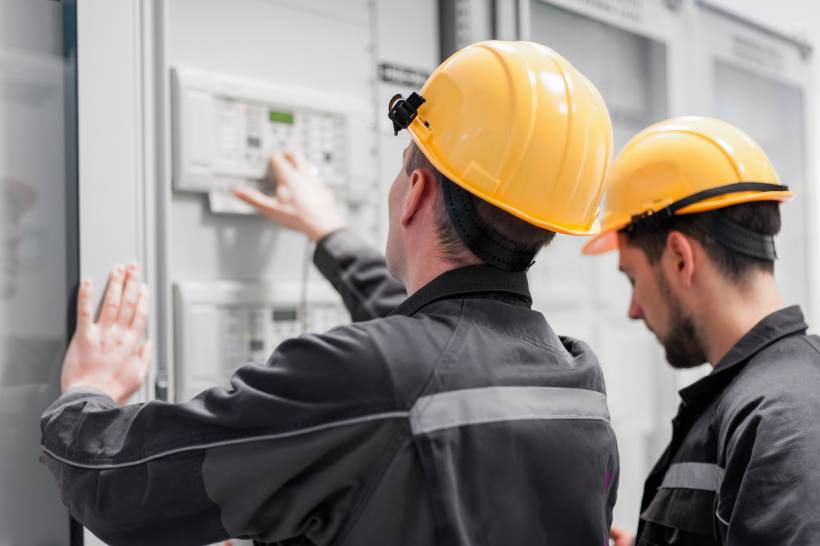 Electrical fitters performing system checks on an industrial control panel (Source: iStock)
Electricians are more readily available than electrical fitting experts due to their high demand in residential, commercial, and light industrial settings. They are in urban, suburban, and rural areas across New Zealand, as their skills are valuable in the construction, renovation, repair, and maintenance of homes and businesses.
Many are self-employed or independent contractors, although some prefer to work in small- to medium-sized electrical contracting companies. They are easier to call for emergencies or urgent repairs, such as when you have oven issues.
The country has fewer electrical fitters, but they are in demand in manufacturing plants and large-scale commercial operations. As a result, they are more likely employed full-time by large companies or industrial facilities rather than operating as independent contractors. They’re concentrated in industrial areas, major cities, and regions with significant manufacturing or mining activity.
However, both can be less available during certain seasons, such as winter. Electricians might be busy repairing water heaters, while electrical fitting specialists might manage cold-weather-related equipment failures in factories and large commercial facilities.
Address all your electrical needs with Airtasker
By now, you already have a better idea of who to hire for your electrical rewiring, installation, and repair needs. The question is where to find them.
Airtasker simplifies finding qualified electricians and electrical fitters for various projects. Whether you need routine maintenance or specialised industrial work, the platform conveniently connects you with skilled professionals in your area. Just open a free account, post a task, and choose the best Tasker for your project.
Learn more about our contributors
Written by Milafel D.
Contributor
Milafel is an editor and writer with over 15 years of experience. As a contributor to Airtasker content, she brings clarity, creativity, and insight to every piece to help homeowners tackle everyday challenges and turn their living spaces into something truly special. When she’s not writing, Milafel is a devoted cat mama and a teacher’s wife who enjoys belting out tunes at karaoke, journalling her thoughts, and pursuing passion projects.
Electrical fitter vs electrician
| Electrical Fitter |
Electrician |
|
|---|---|---|
Project Scope |
Specialised industrial and machinery-based electrical systems |
Broad residential, commercial, and general electrical work |
Tool and Material Range |
Industrial equipment, motors, generators, switchgear, and control systems |
Household wiring, lighting, appliances, switchboards, and safety systems |
Training and Skill Level |
Four-year apprenticeship with specialised electrical fitting qualifications |
Four-year apprenticeship with general electrical trade qualifications |
Service Cost |
Comparable or higher for complex, specialist projects |
More predictable pricing for standard residential work |
Availability |
Less common and often tied to industrial employers |
Widely available across residential and commercial settings |
FAQs on electrical fitters and electricians
Call the state’s licensing board or visit their website to search for qualified electricians. Another option is to use platforms such as Airtasker, where you can read reviews, see ratings, and get more information about the professional’s qualifications.
Hiring an uncertified electrical fitter or electrician can result in massive fines and penalties, primarily due to safety regulations violations.
Electricians can quickly handle emergency repairs and issues such as power outages, electrical fires, or faulty wiring in residential settings. Electrical fitters manage emergencies in industrial and commercial environments to prevent production delays and maintain workplace safety.
Yes, they can. For example, in a large mixed-use development project that includes residential apartments and commercial spaces, electricians might handle the general wiring, lighting, and power distribution systems for the buildings. Electrical fitters focus on installing and configuring complex HVAC control systems, elevator mechanisms, and industrial-grade equipment for on-site facilities management.
Find electricians, fast
Post a task