
Breathe easier this spring with simple seasonal allergy tips to help keep pollen, dust, and other common allergens under control at home.
Spring is finally here. The days are getting longer, flowers are blooming, and there’s a fresh energy in the air.
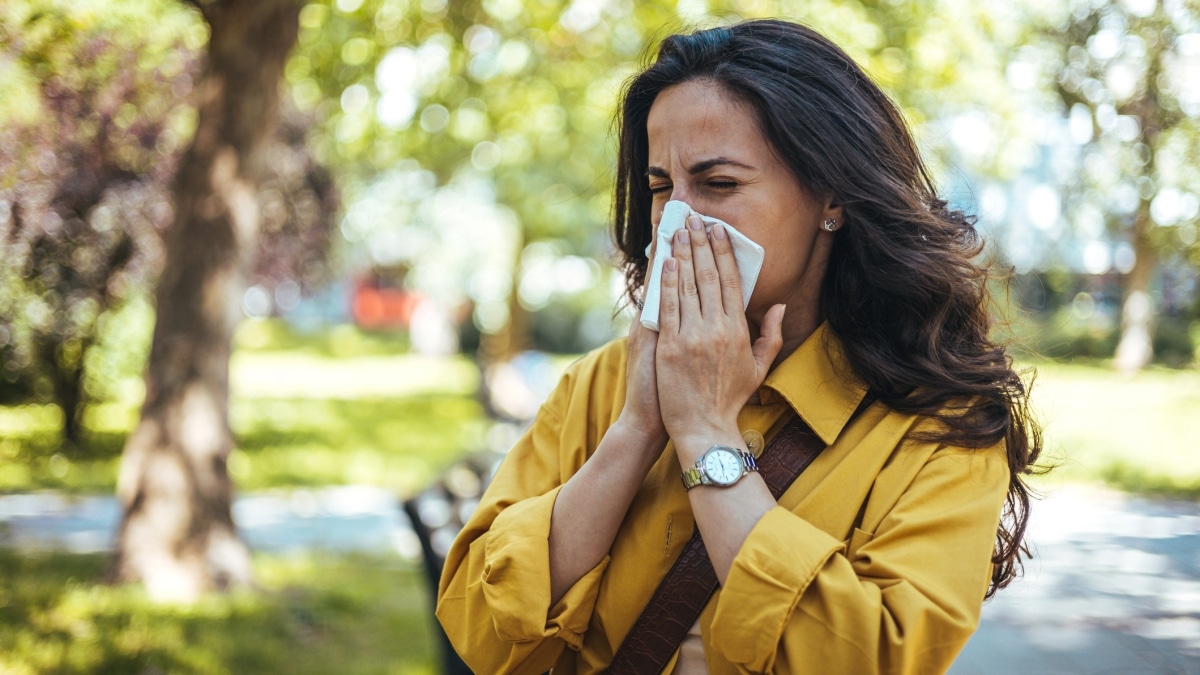
But if you deal with seasonal allergies, spring might not feel quite so magical. Instead of enjoying the sunshine, you could be dealing with itchy eyes, a stuffy nose, sneezing, congestion, or that all-too-familiar allergy fog.
The good news? A few simple changes around your home and daily routine can help reduce your exposure to pollen and other allergens. Here are some practical ways to make allergy season a little more manageable.
What are seasonal allergies?
Seasonal allergies, also called hay fever or seasonal allergic rhinitis, occur when your body reacts to airborne allergens such as pollen. In spring, tree pollen is often a major trigger, followed by grass pollen later in spring and summer, and ragweed in late summer and fall in many parts of the US.
But pollen does not always stay outside. It can cling to shoes, clothes, hair, pets, windows, and outdoor furniture before making its way into your home. Dust, mold, and pet dander can also make allergy symptoms feel worse indoors.
How to reduce seasonal allergies at home
You can’t control the pollen count outside, but you can make your home feel more allergy-friendly. A few cleaning habits, home upgrades, and yard care tweaks can help limit how much pollen and dust settle inside.
Stop pollen at the door
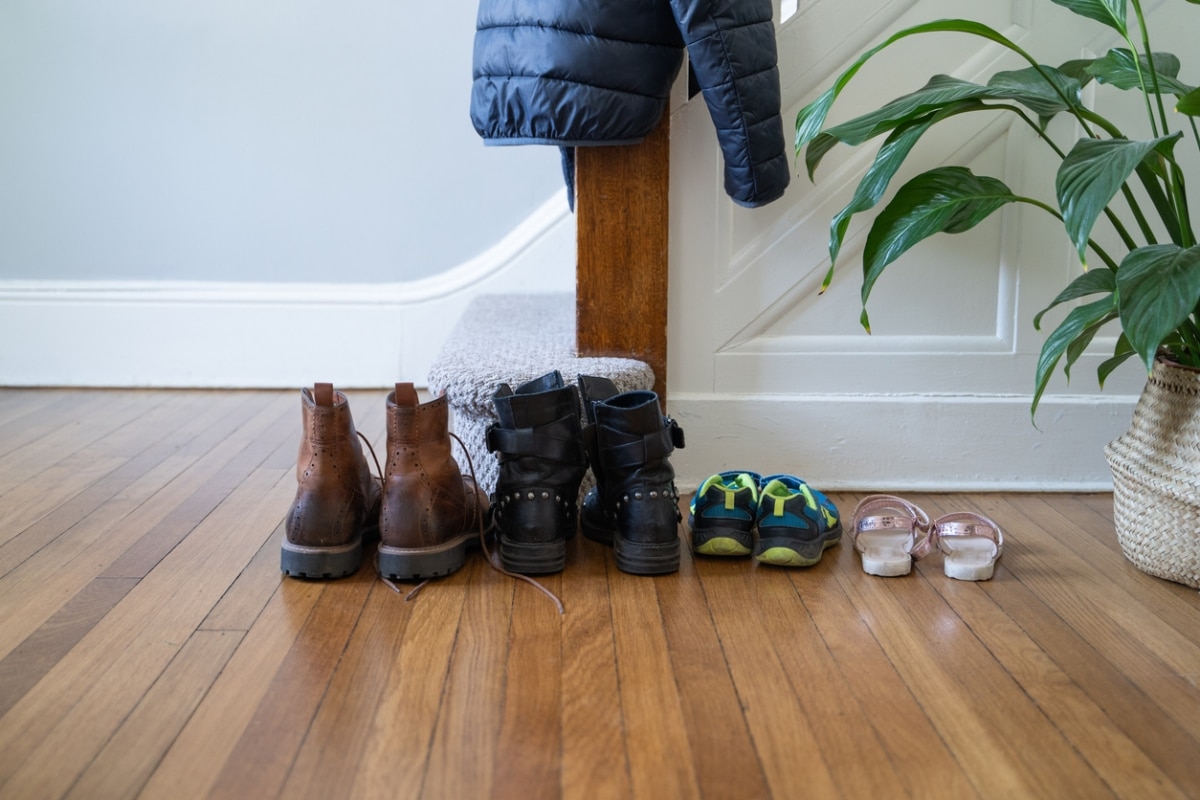
One of the easiest ways to reduce pollen indoors is to stop it from spreading as soon as you walk in.
Take your shoes off at the door, especially during peak allergy season. Shoes can track in pollen, dust, grass, and other outdoor allergens. A sturdy doormat outside and another one inside can help catch more debris before it moves through your home.
It also helps to keep jackets, hats, bags, and outdoor gear near the entryway instead of carrying them into bedrooms or living areas. If you’ve spent a lot of time outside, consider changing into clean clothes once you get home.
Cut down on indoor allergens
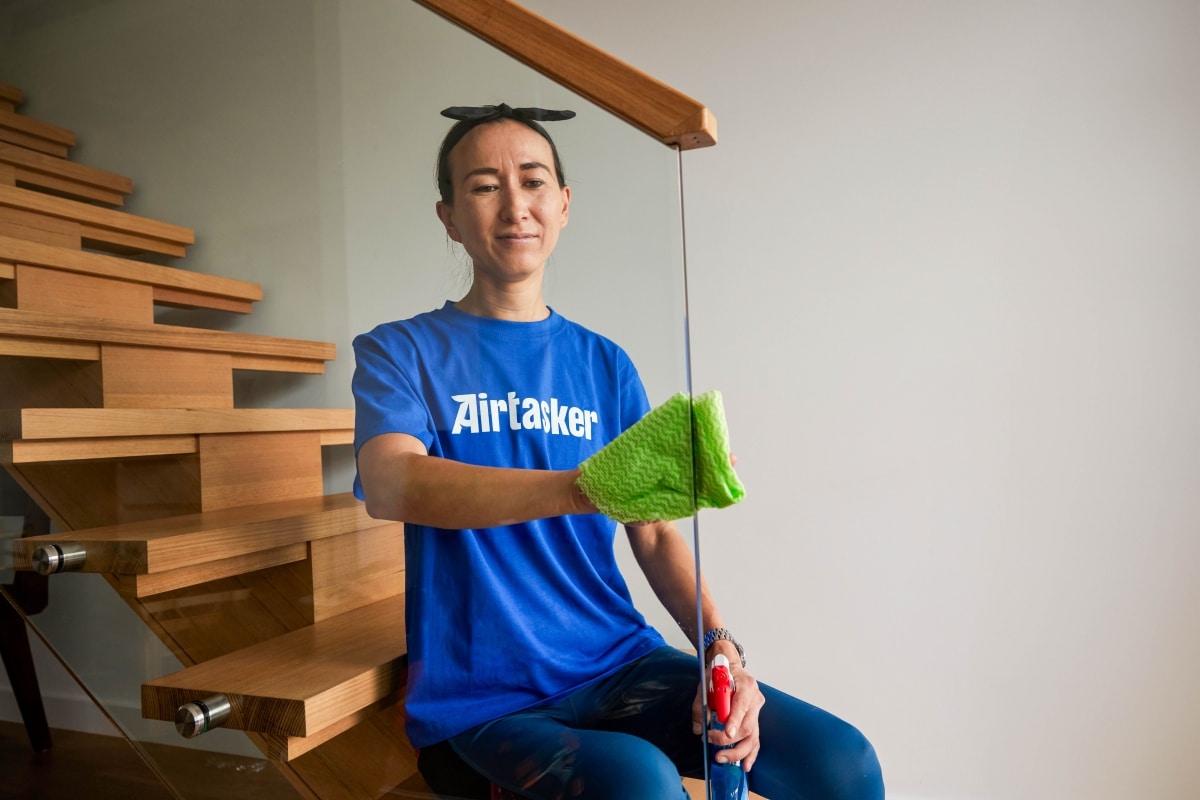
Pollen, dust, and other allergens often enter homes through open windows, cling to clothing, and settle on surfaces.
Make vacuuming a habit—especially on carpets and rugs, where pollen loves to hide. Curtains and blinds are also major dust magnets, so regular cleaning can help prevent allergens from building up and circulating in your home.
Dusting with a damp cloth instead of a dry one also helps keep allergens from becoming airborne.
Improve indoor air quality
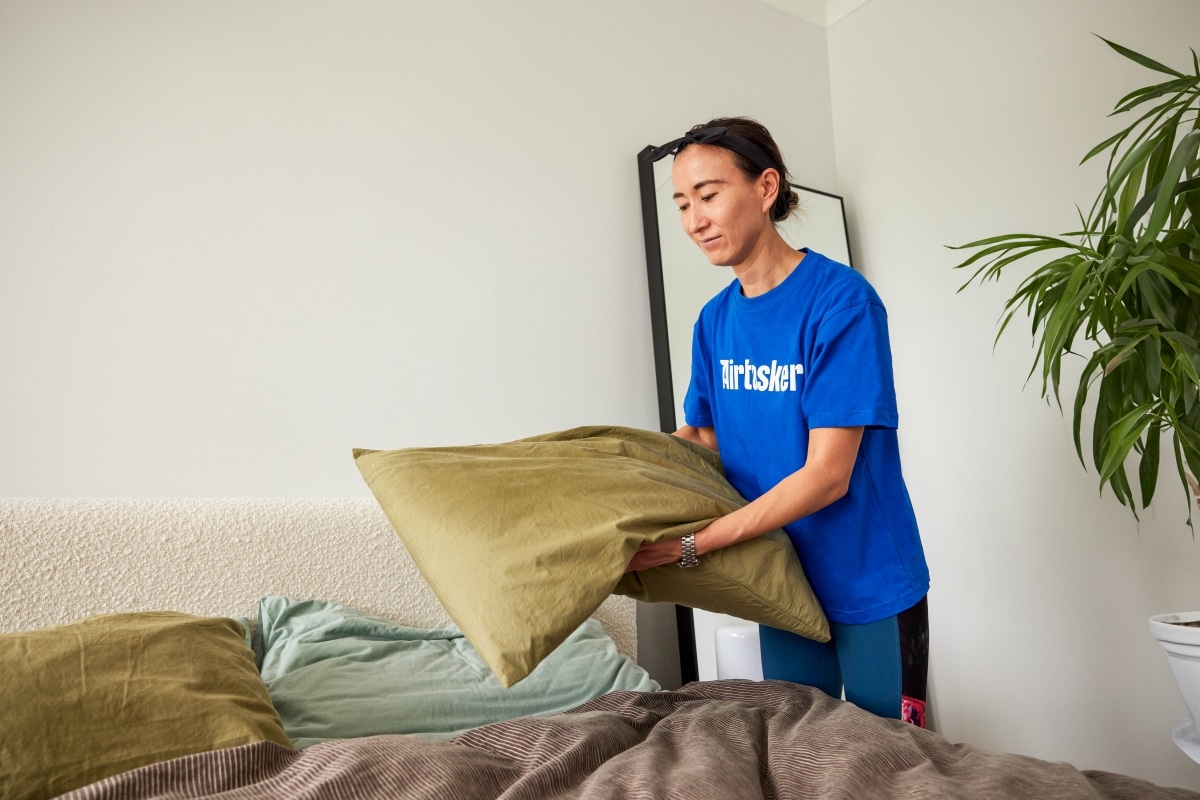
A clean home isn’t just about dusting and vacuuming. It’s also about improving the air you breathe. Using a dehumidifier can help reduce moisture and prevent mold growth, which can worsen allergy symptoms.
Your bed is also a hotspot for allergens, so wash your bedding regularly at high temperatures to help remove pollen and dust mites. Don’t forget about your mattresses and upholstery, either. A deep clean every six months can remove hidden allergens and dust that trigger symptoms.
Decluttering also helps control allergies, since fewer surfaces mean fewer places for dust and pollen to hide.
Keep outdoor allergens under control
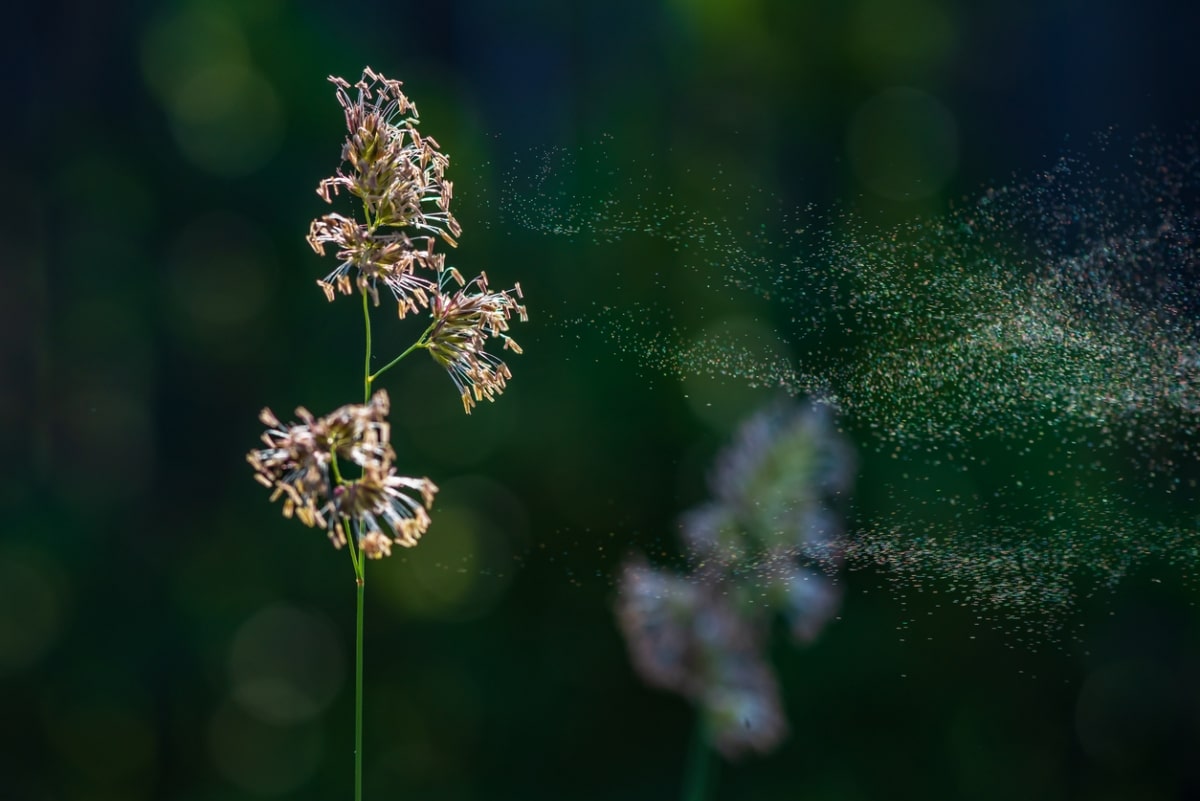
If you have a yard, it might be a hidden source of allergens. Choosing low-pollen plants, such as ferns and hydrangeas, can reduce the amount of airborne allergens around your property.
Trimming bushes and removing weeds can also help minimize exposure. You can even hire a local gardener to share a few tips on managing pollen levels in your outdoor space. Plus, there’s no harm in keeping a checklist to stay on top of yard maintenance.
Also, remember to take care when spending time outside. Wearing sunglasses can help protect your eyes, and taking a quick shower after outdoor activities can wash away any pollen that may have settled on your skin and hair.
Build a seasonal allergy kit

Even with the best prevention habits, it’s almost impossible to avoid pollen completely.
A simple allergy kit can help you stay prepared during peak allergy season. Depending on your needs, this might include antihistamines, saline rinses, nasal sprays, eye drops, tissues, and a reusable water bottle. Speak with a healthcare professional or pharmacist if you’re unsure which allergy products are right for you.
For extra protection at home, you might also consider an air purifier, hypoallergenic bedding, and regular deep cleaning for dust-prone areas.
Ready for your home for allergy season
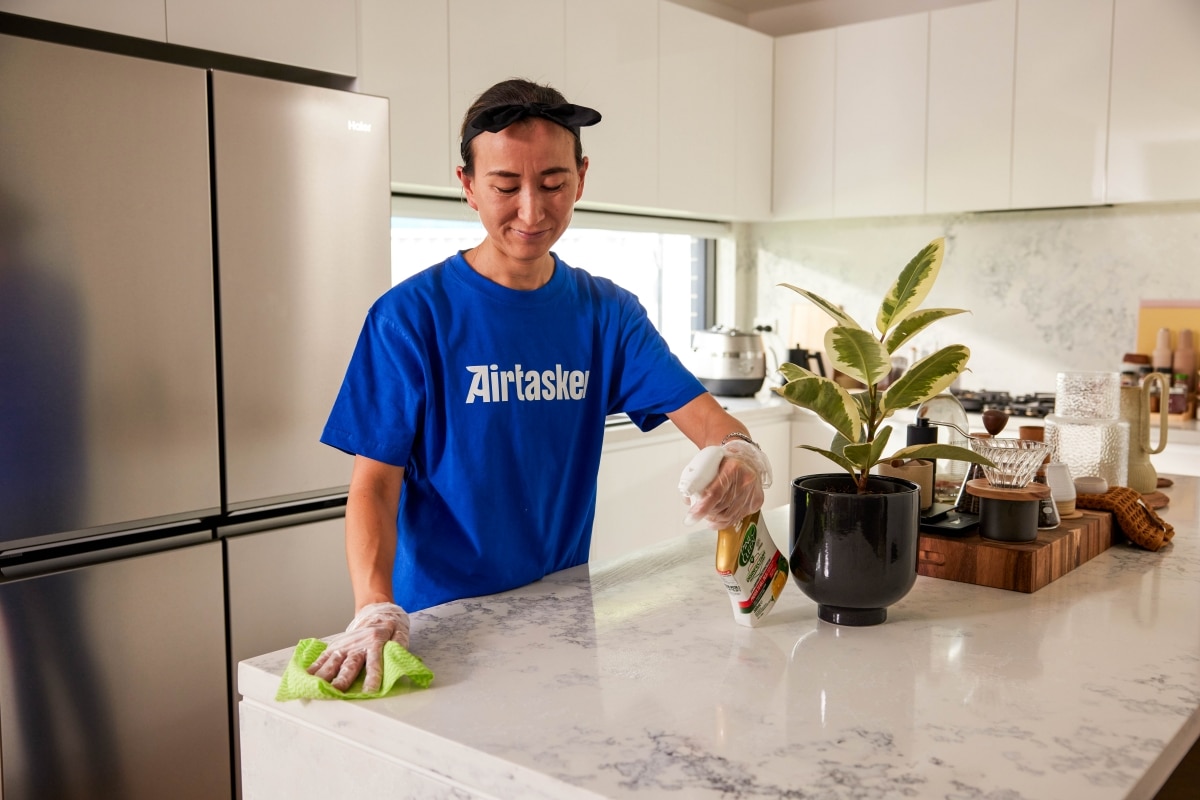
Seasonal allergies can make spring feel frustrating, but a few simple changes can make your home more comfortable.
By keeping pollen at the door, cleaning dust-prone areas, improving indoor air quality, and staying on top of yard maintenance, you can reduce common allergy triggers and breathe a little easier.
And if deep cleaning, yard work, or running errands feels like too much during allergy season, you don’t have to do it all yourself. Post a task on Airtasker and find a local Tasker who can help you get it done.

30 landscape ideas to elevate your home’s natural beauty

US Tax prep: What you need to know for 2025
The art of cozy living: How to hygge up your home
30+ Lovely living room paint ideas – color schemes, wall paint ideas

11 Tasks you can delegate to supercharge your business